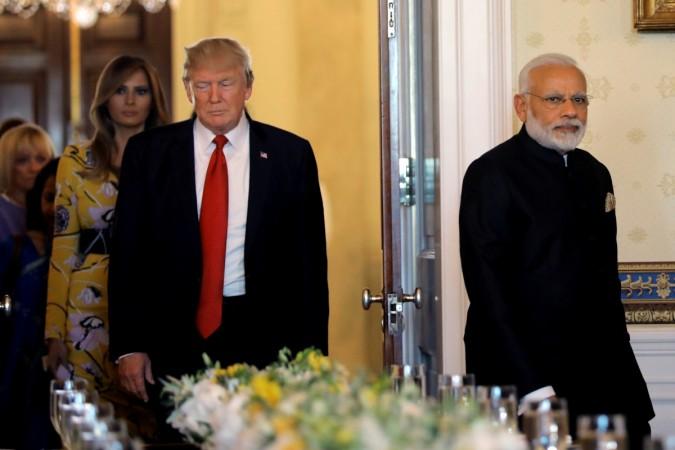
India and the United States, on Saturday, 7 February 2026, issued a joint statement on the long-awaited trade deal between the two nations, highlighting the key terms agreed upon by both countries. This comes after high-level discussions between Prime Minister Narendra Modi and US President Donald Trump. Union Commerce Minister Piyush Goyal said that several US goods will now enjoy a 'zero tariff' rate in India under the trade deal.
As per the agreement, the United States will apply a reciprocal tariff rate of 18% on all Indian exports, while India will reduce or eliminate tariffs on certain imports from America. The interim agreement lowers tariffs on several Indian products, including textiles and apparel, leather and footwear, plastics and rubber, organic chemicals, home decor, artisanal products, and certain machinery. Subject to the successful conclusion of the interim framework, the US will also remove tariffs on goods such as generic pharmaceuticals, gems and diamonds, and aircraft parts.
Meanwhile, American exports to India will benefit from zero or reduced tariffs in sectors such as food and agricultural products, including dried distillers' grains (DDGs), red sorghum for animal feed, tree nuts, fresh and processed fruits, soybean oil, wine, and spirits. Both countries have committed to providing preferential market access in sectors of mutual interest and to establishing rules of origin, ensuring that the benefits primarily accrue to India and the United States.
Beyond the interim agreement, both nations will continue working on broader Bilateral Trade Agreement (BTA) negotiations. The US has also agreed to consider India's request to further reduce tariffs on Indian goods during the talks.
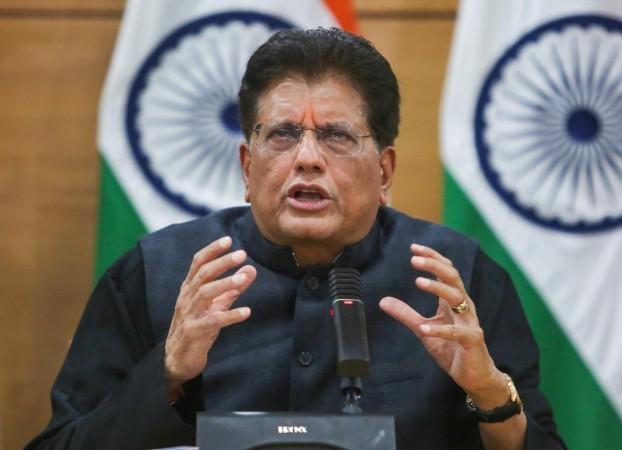
Under the deal, several US goods will attract zero tariffs or reduced import duties in India, including:
Food and agricultural products: Dried distillers' grains (DDGs), red sorghum for animal feed, tree nuts such as pistachios, walnuts, almonds, and lentils, along with vegetable planting material, sap, roots, taro, banana, beans, cereals, barley, and seeds.
Fresh and processed fruits: These will be subject to lower or potentially zero tariffs.
Soybean oil: Imports will follow a quota-based system with reduced tariffs, as confirmed by Piyush Goyal.
Alcohol (wine and spirits): Foreign liquor will attract lower import taxes.
Medicines: Heart and cancer treatment drugs will enjoy zero-tariff treatment.
Cosmetics: Foreign cosmetics will benefit from reduced tariffs.
Chemicals: Both organic and inorganic chemicals will face lower duties.
Computer products: Components like Graphics Processing Units (GPUs) will attract reduced import duties.
Health equipment: Medical devices, chosen equipment, and hearing aids will see reduced taxes.
Additional products: Other items specified under the interim agreement will also enjoy zero or reduced tariffs.