India is accelerating efforts to strengthen its maritime security and trade resilience amid rising geopolitical tensions and disruptions in global shipping routes. As the West Asia crisis and threats to the Strait of Hormuz raise concerns over energy supplies and trade flows, the India-Russia Eastern Maritime Corridor (EMC) connecting Chennai and Vladivostok is emerging as a key strategic and economic alternative.
Activated in 2024, the EMC provides a faster and more reliable route for Russian crude oil, coking coal and mineral resources, reducing transit time significantly compared to the traditional Suez Canal route. The corridor also aligns with India's Sagarmala project, Act East Policy and broader efforts to enhance connectivity with the Indo-Pacific and Arctic regions while reducing dependence on vulnerable maritime chokepoints.
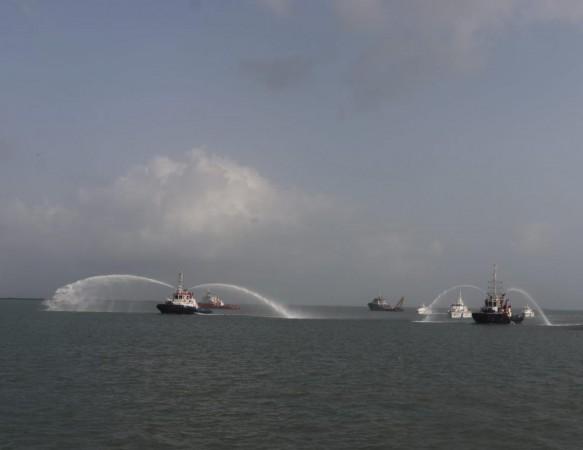
In a parallel boost to maritime security, the Indian Coast Guard's newly commissioned Fast Patrol Vessel, ICGS Achal, has reached its base at Vadinar in Gujarat's strategically important North-West Region. Inducted in May, the 51-metre vessel is equipped with advanced navigation, communication and surveillance systems and is designed for coastal patrols, rapid response missions, anti-smuggling operations, search and rescue efforts, and maritime law enforcement.
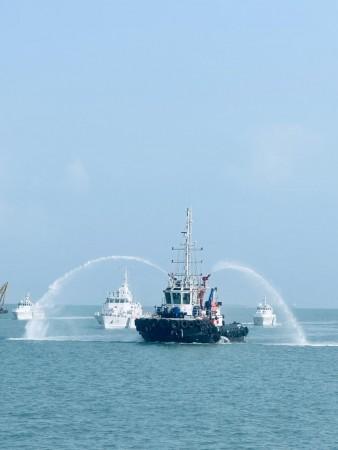
The deployment of ICGS Achal is expected to strengthen coastal surveillance, improve response capabilities against security threats and illegal activities, and enhance protection of India's maritime boundaries and fishermen. Together, the expansion of strategic trade corridors like the EMC and the strengthening of maritime security infrastructure underscore India's focus on securing its economic interests, safeguarding critical supply chains and reinforcing its presence in the Indo-Pacific region amid evolving global challenges.