India is examining requests from neighbouring countries, including Bangladesh, Sri Lanka and Maldives, for diesel supply as global energy markets remain tense due to the ongoing conflict in West Asia, the Ministry of External Affairs (MEA) said on Thursday.
Emphasising India's role as a major exporter of refined petroleum products to neighbouring countries, MEA spokesperson Randhir Jaiswal said the government has received a formal request from Bangladesh for diesel supply, which is currently under review.
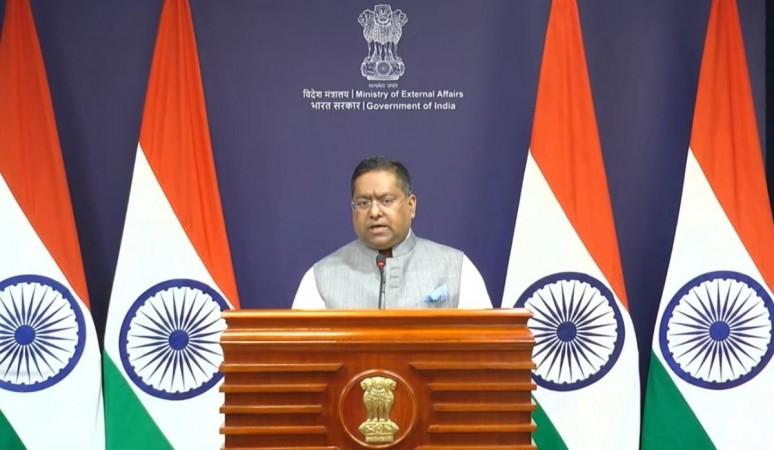
"India is a major exporter of refined petroleum products, especially to our neighbourhood. We have received a request from the government of Bangladesh for the supply of diesel, which is being examined," Jaiswal said during a weekly media briefing in New Delhi.
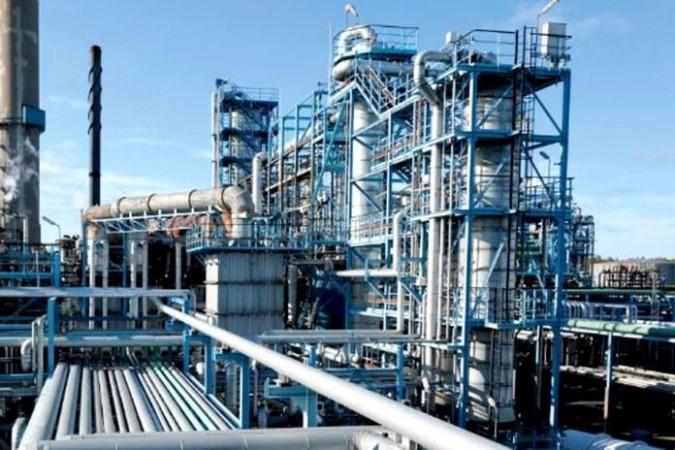
Highlighting the long-standing cooperation in energy supply, he said India has been supplying diesel to Bangladesh from the Numaligarh Refinery since 2007 through multiple modes, including waterways, rail and later through the India-Bangladesh Friendship Pipeline.
A sale-purchase agreement was signed in October 2017 between Numaligarh Refinery and Bangladesh Petroleum Corporation for the supply of high-speed diesel on mutually agreed terms. Since then, diesel exports to Bangladesh have largely continued.
However, Jaiswal noted that decisions on additional supply would take into account India's refining capacity, domestic requirements and overall diesel availability.
He added that similar requests from Sri Lanka and the Maldives are also being examined.
The development comes as energy markets remain on edge amid tensions in West Asia. According to a report in Bangladesh's leading newspaper The Daily Star, motorists in cities such as Dhaka and Chattogram rushed to fuel stations last week amid fears of potential shortages.
The report noted that long queues formed at several stations as drivers waited hours to refuel. Bangladesh relies heavily on imported energy, particularly fuel oils and liquefied natural gas from the Middle East, and the closure of the Strait of Hormuz has raised concerns about possible disruptions to supplies.
Meanwhile, the MEA said India is working extensively to assist Indian nationals in Iran and is closely monitoring shipping safety and the country's energy security amid the regional conflict.
Jaiswal said around 9,000 Indian nationals — including students, seafarers, businesspeople, professionals and pilgrims — are currently in Iran.
Following earlier advisories, several citizens, particularly students, have already returned to India. The government has also relocated several Indian nationals from Tehran to safer locations within the country.
India is also facilitating the travel of those wishing to leave Iran through land routes to Azerbaijan and Armenia, from where they can board commercial flights back home.
"Our mission in Tehran is in constant touch with community members and is offering all possible assistance," Jaiswal said, urging Indian nationals planning to exit via land borders to follow the advisory issued by the Indian Embassy on March 9.
Responding to questions about vessel movement near the Strait of Hormuz, the MEA spokesperson said India is closely engaged with Iran on the issue.
S. Jaishankar, India's External Affairs Minister, has held multiple conversations in recent weeks with Iran's Foreign Minister Seyed Abbas Araghchi regarding the evolving situation in the region.
On Tuesday, Jaishankar said he had a detailed discussion with his Iranian counterpart on the latest developments in the West Asia conflict, adding that both sides agreed to remain in touch.
The ongoing diplomatic engagement reflects India's efforts to safeguard its citizens abroad while also monitoring developments that could affect global shipping routes and the country's energy security.
(With inputs from IANS)