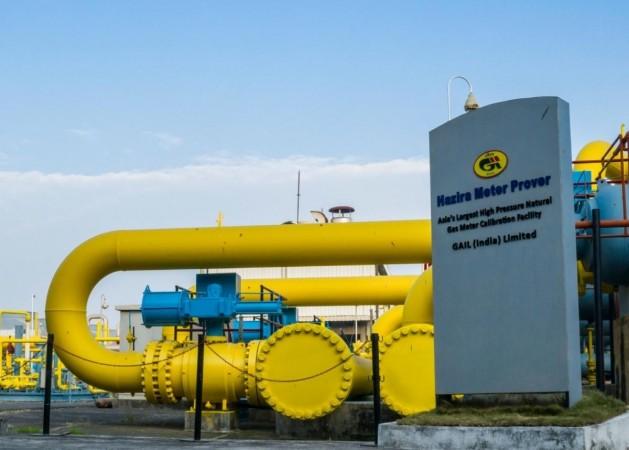
India has issued a new order to accelerate the rollout of piped natural gas (PNG) infrastructure, as global energy disruptions triggered by the ongoing Iran war begin to ripple through domestic supply chains.
The Ministry of Petroleum and Natural Gas, in a notification dated March 24, introduced the Natural Gas and Petroleum Products Distribution Order, 2026, granting the Centre overriding powers to remove local-level barriers that have long delayed pipeline expansion.
The move comes at a time when the global energy market is under severe strain. The ongoing conflict involving Iran has disrupted shipping through the Strait of Hormuz, a critical chokepoint that carries nearly 20% of the world's oil and gas supplies, raising fears of prolonged supply shocks.
The timing of the order is no coincidence.
Since late February, the Iran war has triggered one of the largest energy disruptions in decades, with tanker traffic through the Strait of Hormuz collapsing and global oil and LNG flows severely impacted.
India, which depends heavily on this route for energy imports, is already feeling the pressure. More than 40% of its crude imports pass through Hormuz, making the country particularly vulnerable to supply disruptions.
Against this backdrop, New Delhi's latest move signals a clear strategic pivot: reduce reliance on imported fuels and strengthen domestic energy distribution networks.
Centre overrides local hurdles
At the core of the new order is a structural change in how pipeline infrastructure will be executed.
For years, city gas distribution projects have been slowed by:
- Objections from housing societies and RWAs
- Delays in approvals from local authorities
- High fees and administrative bottlenecks
The government has now moved to eliminate these hurdles.
Under the new framework:
- Housing societies and RWAs can no longer block pipeline laying
- Authorities must facilitate, not delay, approvals
- High and arbitrary charges are expected to be curbed
The order effectively creates a uniform, nationwide policy, ensuring that authorised entities can lay pipelines without being stalled by fragmented local decision-making.
Reducing LPG dependence becomes strategic priority
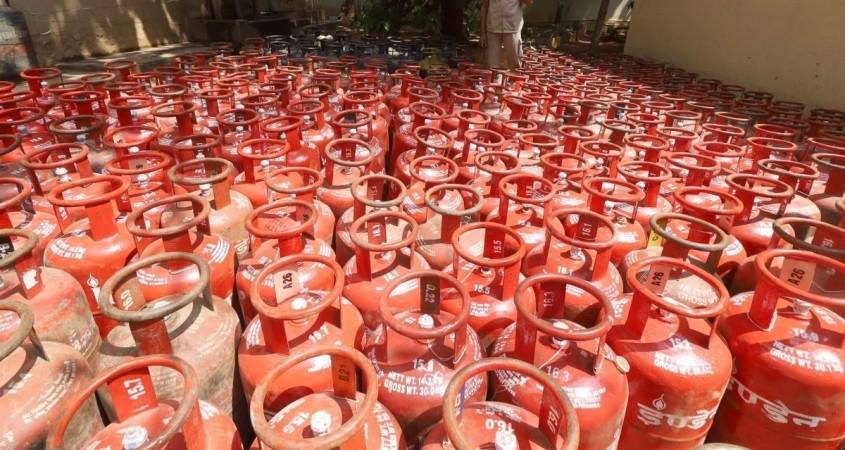
The policy also reflects a shift in India's fuel strategy.
Despite the availability of natural gas pipelines in several regions, many consumers continue to rely on LPG, increasing pressure on supply chains, especially during global disruptions.
The government now wants to reverse that trend.
By expanding piped gas access:
- LPG can be redirected to underserved areas
- Urban consumers gain access to more stable supply
- Overall dependence on volatile global imports is reduced
This is particularly critical as LNG supplies from the Gulf face uncertainty due to infrastructure damage and ongoing conflict.
Pipelines now seen as energy security infrastructure
The order reframes pipeline infrastructure as more than just a distribution mechanism—it is now being positioned as a national energy security asset.
It highlights the need to build networks that connect:
- Transmission pipelines
- LNG storage facilities
- Last-mile consumer access
By streamlining land access and right-of-way approvals, the Centre aims to ensure faster, time-bound execution of these projects.
The policy applies broadly across public and private stakeholders, reinforcing the Centre's intent to centralise control over critical energy infrastructure.
A strategic move
The larger signal is hard to miss. The Iran war has exposed the fragility of global energy supply chains, with even partial disruptions in the Strait of Hormuz sending shockwaves across markets and governments alike.
India's response is clear: build resilience at home.
By removing local bottlenecks and accelerating pipeline rollout, the government is attempting to future-proof the country against external shocks—whether geopolitical, logistical, or economic.