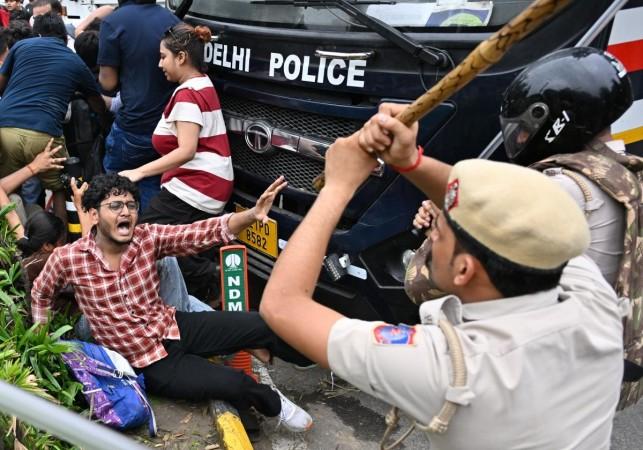
On Monday, the simmering anger over repeated examination failures boiled over onto Delhi's streets. Thousands of students and young protesters marched toward Parliament, demanding accountability for the NEET-UG 2026 paper leak fiasco. What began as a peaceful demonstration descended into chaos. Police used batons and tear gas to disperse the crowd, leaving hundreds injured with reports of bleeding scalps, bruises, and breathing difficulties. Hospitals treated more than 170 people, with few in critical condition and many of them young aspirants already exhausted by months of uncertainty.
The violence marked another painful chapter in a saga that has already claimed lives. Multiple students across the country died by suicide after the original NEET exam was cancelled following leak allegations. Their dreams crushed by a system meant to reward hard work. Families mourned children who had spent years preparing, only to see their futures upended and many reeling under heavy debts taken for high coaching fees.
One young protester, his voice cracking with exhaustion, told reporters, "We protest, then we study again. We wait again. In the end, we are still part of the same broken system."
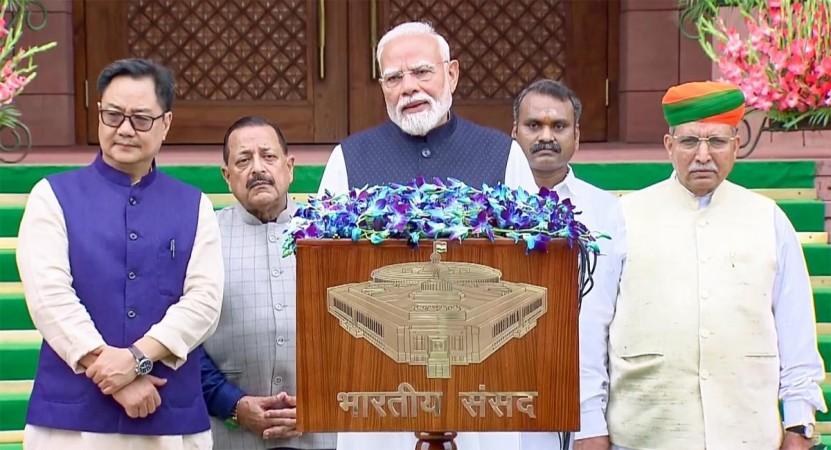
Prime Minister Narendra Modi addressed the crisis directly the next day during an NDA Parliamentary Party meeting and thereafter called the Examination system a national responsibility. He described the paper leak as a "ghor paap", a grave sin, and called for the strictest possible punishment for those involved. According to Union Minister Kiren Rijiju, the Prime Minister emphasised that 13 accused had already been arrested and jailed, the re-examination was conducted successfully, and preventing such leaks is a national responsibility requiring cooperation across party lines and states.
Despite mounting public outrage and opposition demands, Union Education Minister Dharmendra Pradhan has not resigned. He vowed systemic fixes including a shift to computer-based testing for NEET from next year, and described some involved as protectors turned predators. Critics, however, say accountability at the top remains missing.
The continued leaks are a Crisis in the making. The 2026 NEET controversy, involving over 22 lakh aspirants, is only the latest blow. Analyses show more than 220 major exam fraud incidents since 2005, with 148 since 2015 alone. Paper leaks dominate, often spread via WhatsApp and Telegram. The human cost is heartbreaking: years of expensive coaching, mounting family debt, crippling anxiety, and lost time.
Abhishek Singh, DG of the NTA noted that the recent controversy arose because there was too much of the human element. He called for AI-driven question banks to reduce individual exposure.
Professor Bijendra Nath Jain of IIIT Delhi urges a deeper redesign, saying we must overhaul how and when question papers are created through massive randomised question banks.
Educationist Dinesh Singh advocates encrypted, algorithm-generated papers delivered just in time. Former NITI Aayog CEO Amitabh Kant warns that technology cannot compensate for a weak institution and calls for a professional overhaul of bodies like the NTA.
This calls for learning few lessons from other countries. Other nations have handled similar challenges more smoothly. Finland has fully digitised its high-stakes matriculation exams using secure school-based systems with strong supervision and teacher training. The result has been faster results and high integrity. Estonia runs state exams on a national cloud platform with strong participation rates. New Zealand reports over 95 percent student satisfaction with its digital assessments.
India could draw valuable lessons from these models: reliable biometric verification, AI proctoring, secure digital records, adaptive testing, and dedicated centres, while ensuring students in smaller towns are not left behind through hybrid support.
The coming weeks will see continued protests, parliamentary debates, and possibly further court interventions. Real change, however, will require giving the NTA genuine autonomy so it can function without political interference, staffing it with professionals of integrity who prioritise merit over patronage, making full use of modern technology, ensuring complete transparency in every stage of evaluation, and strictly implementing criminal laws against violators so that paper leaks carry real and immediate consequences. These steps are the need of the hour.
Experts say India needs transparent audits, updated syllabi that test real skills rather than rote learning, fast grievance systems, and genuine political will beyond temporary fixes.
India's vast youth population is its greatest asset. But without urgent, comprehensive reform, the annual cycle of leaks, protests, and disillusionment will continue. Restoring faith will require not just new technology, but a renewed commitment to merit, fairness, and care for the young people who represent the nation's future.
The dreams of crores of students hang in the balance. They have waited long enough. The question now is whether the system will finally rise to meet them.
[Major General Dr. Dilawar Singh, IAV, is a distinguished strategist having held senior positions in technology, defence, and corporate governance. He serves on global boards and advises on leadership, emerging technologies, and strategic affairs, with a focus on aligning India's interests in the evolving global technological order.]