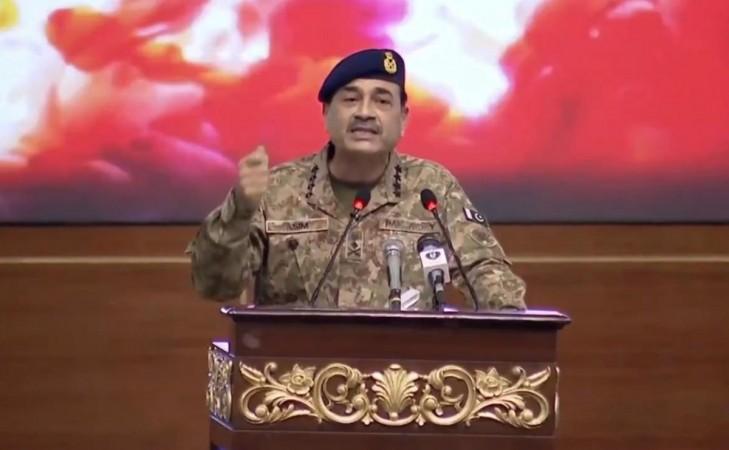
Pakistan Army chief Field Marshal Asim Munir told Shia clerics on Thursday that those who "love Iran so much" should go there, remarks that community leaders condemned as dismissive and inflammatory. The comments come as Islamabad makes a visible strategic tilt toward the Arabian Gulf.
"If you love Iran so much, then go to Iran," Munir told clerics at an Iftar gathering in Rawalpindi.
The statement followed his warning that "violence in Pakistan, on the basis of incidents occurring in another country, will not be tolerated." Clerics said the remarks appeared to blame protests across Pakistan—triggered after the killing of Iran's Supreme Leader Ali Khamenei—on the Shia community.
Munir's comments came the same day Pakistan joined a bloc of Arab and Islamic countries in condemning Iran's retaliatory strikes across the Gulf, underscoring the country's shifting regional posture.
Shia leaders present at the gathering later said Munir linked unrest in Gilgit-Baltistan to Shia leadership and appeared to hold the community collectively responsible for violence carried out by some—an approach they described as offensive and historically inaccurate.
Shia cleric Muhammad Shifa Najafi said he interrupted the army chief to challenge the characterisation. "Do not consider all Shias responsible for these incidents," he said in a video statement, adding, "It is not appropriate to put everyone in the same group."
Najafi also noted that Shias serve in the Pakistan Army and recalled that the country's founder, Muhammad Ali Jinnah, was himself a Shia. Recounting the exchange, he said Munir later added: "If you love Iran so much, then you should go to Iran. The doors are open."
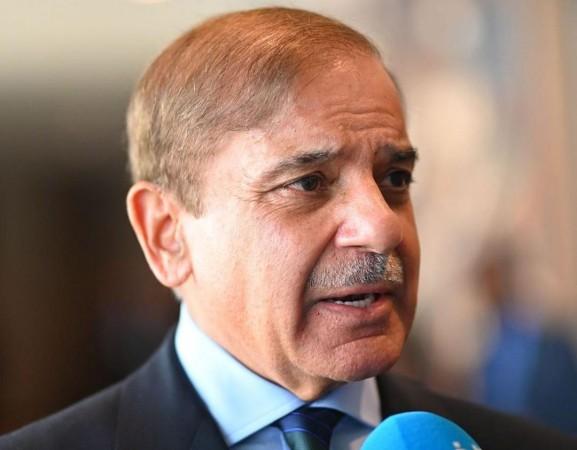
The military's official account of the meeting struck a different tone, saying Munir had urged religious leaders to promote national unity and cautioned against sectarian divisions and external interference.
The remarks come amid rising unrest. In Islamabad, police used tear gas to disperse crowds attempting to march toward the Diplomatic Enclave. In Skardu, protesters set fire to a United Nations office building, while several people were killed in Gilgit-Baltistan, according to local officials. In Karachi, protesters stormed the US Consulate, prompting US Marines to open fire, leaving at least 10 people dead.
The unrest began in March following Khamenei's killing, with demonstrations erupting across Pakistan. The country, which has the second-largest Shia population after Iran, is estimated to have around 15 percent of its population belonging to the community.
Munir's remarks come against the backdrop of a broader shift in Pakistan's regional calculus. Islamabad has long balanced ties between Iran and Gulf states but has in recent months moved closer to Saudi Arabia and its allies—including through a mutual defence arrangement—while also deepening ties with Turkey and Azerbaijan, signalling an emerging Arabian Gulf-oriented strategic orbit.
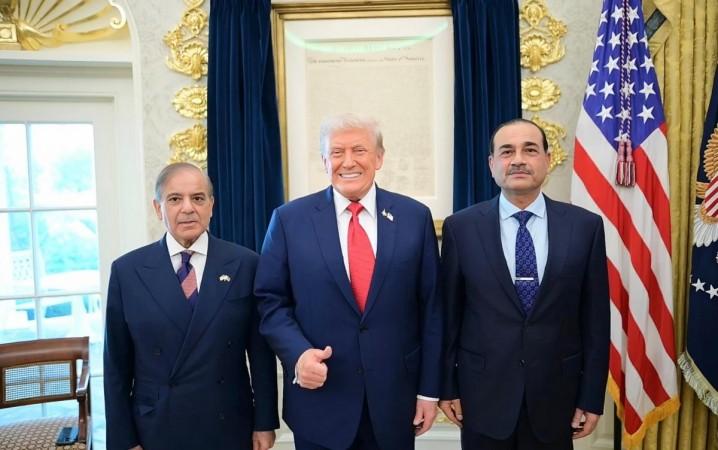
The shift, however, has exposed internal contradictions. Even as Pakistan joined the condemnation of Iran, Deputy Prime Minister and Foreign Minister Ishaq Dar described the attacks on Iran as "unwarranted" and called for an immediate return to negotiations.
At the same time, Pakistan appears to be adopting a strategy of controlled distance from the widening Middle East conflict, according to a report by The National Interest. The report noted that Islamabad is signalling concern over regional instability while avoiding commitments that could draw it into direct confrontation with Iran.
The sustainability of this balancing act, it said, depends on how the conflict evolves. Limited and geographically contained hostilities may allow Pakistan to maintain its current posture, but a broader regional escalation could significantly restrict its options.
Economic vulnerabilities are a key driver of Pakistan's cautious stance. The country imports about 85 percent of its crude oil—much of it from Gulf producers—making it highly exposed to disruptions in energy routes through the Strait of Hormuz. Any disruption to maritime traffic could sharply raise energy costs, fuel inflation, and strain foreign exchange reserves.
Because most of Pakistan's trade moves by sea, maritime insecurity could also disrupt broader commercial activity. Rising shipping insurance costs, delays in transport, and supply chain uncertainty may deepen economic stress. The report noted that recent tensions have already contributed to higher fuel prices and inflationary pressures in the country.
Pakistan's position is further complicated by competing strategic relationships. Islamabad maintains close economic and military ties with China, alongside security cooperation with the United States, while Gulf stability remains critical for multiple global actors dependent on uninterrupted energy flows.
"A wider regional war," the report said, "would place Pakistan in a particularly sensitive position—caught between competing strategic relationships and facing immediate economic exposure to disruptions in Gulf energy routes."
It added that Pakistan's response reflects a broader regional trend, where states are not choosing sides but attempting to manage exposure to a conflict that threatens their economic and security stability.