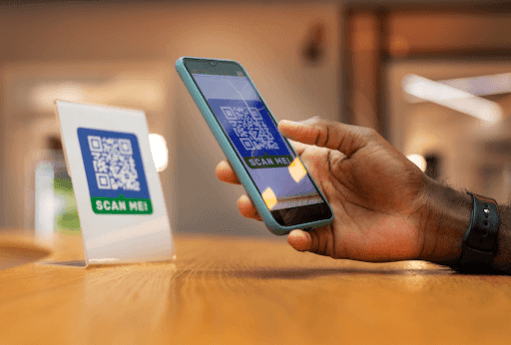
The transition to a cashless society has been rapid. This speed has left a gap between the technology we use and our understanding of how to use it safely. By examining our common behaviors, we can identify where the real risks lie in our financial lives.
The Psychology of Convenience Over Security
The modern consumer prizes speed above almost everything else. When you are standing in a long queue at a retail store, your primary goal is to complete your transaction and move on. This drive for efficiency often leads to a lapse in judgment. We become so accustomed to the seamless nature of a secure UPI app that we stop questioning the environment in which we are transacting.
This "autopilot" mode is a significant vulnerability. When we perform a task thousands of times, our brain looks for ways to reduce the mental load. We might stop checking the recipient's name carefully or ignore the small warning signs that a transaction looks unusual. Scammers rely on this mental fatigue. They know that if they can create a sense of urgency, most people will prioritize finishing the task over verifying the details.
The habit of choosing convenience manifests in how we manage our credentials. Many users opt for simple, easy to remember PINs like birth years or sequential numbers. While these are easy to type quickly, they are also the first ones a malicious actor will guess. The trade-off for a few seconds of saved time is a massive hole in your personal financial defense.
The Misunderstanding of the Request Money Feature
One of the most common security gaps stems from a fundamental misunderstanding of how digital payment protocols work. In the world of UPI, there is a clear distinction between sending and receiving funds. However, many users still fall for the trap where a stranger sends a "collect request" under the guise of sending money to the user.
This happens frequently on secondary marketplaces or through social media transactions. A scammer will claim they want to pay you for an item. They send a request through their app, and the user, acting out of habit, enters their PIN. The habit here is the belief that a PIN is required for every interaction with the app. In reality, you never need to enter your PIN to receive money.
This gap exists because we have been conditioned to think of the PIN as a general "OK" button. We see a notification, we want the money, and we provide the authorization without reading the text on the screen. Breaking this habit requires a conscious effort to read every prompt, no matter how familiar the interface feels.
Oversharing and the Social Media Habit
We live in an era of oversharing. People often post screenshots of their successful transactions or share QR codes in public forums. While this might seem harmless, it provides a wealth of information to those looking for a way in. Your phone number, your transaction patterns, and even your preferred secure UPI app can be gleaned from these posts.
Social engineering is the art of manipulating people into giving up confidential information. Scammers use the data you share publicly to build trust. They might call you pretending to be a bank representative, citing a recent transaction you posted about. Because they have specific details, your habit of trusting "informed" callers kicks in.
The habit of trusting caller ID is another major gap. Technology allows scammers to spoof numbers, making it look like a call is coming from an official source. If you are in the habit of answering every call and following instructions without verification, you are at risk. Always remember that official entities will never ask for your PIN or OTP over a phone call.
Neglecting Software Updates and App Hygiene
Many users view software updates as a nuisance. They take time, require data, and sometimes change the interface we have grown used to. This leads to the habit of clicking "Remind me later" indefinitely. This is a critical error because many updates are specifically designed to patch security vulnerabilities that have been discovered by developers.
An outdated app is a playground for hackers. They look for known bugs in older versions of software and exploit them. By keeping your secure UPI app updated, you ensure that you have the latest encryption and fraud detection tools at your disposal. App hygiene also involves deleting apps that you no longer use. The more apps you have, the larger your digital attack surface becomes.
Furthermore, the habit of downloading "modded" or third-party versions of popular apps is extremely dangerous. These versions often promise extra features or no ads, but they frequently contain hidden malware. Always stick to official app stores and verified developers to ensure the integrity of your financial tools.
The Role of Biometrics in Bridging the Gap
While habits can create gaps, they can also be used to build bridges. One of the best habits a user can develop is the consistent use of biometric authentication. Fingerprint scans and facial recognition are much harder to bypass than a four-digit PIN. Most modern smartphones offer these features, yet many users do not bother to set them up for their payment apps.
Integrating biometrics into your daily routine adds a layer of "something you are" to the "something you know" (your PIN). This multi-factor approach is essential. Even if someone manages to see you type your PIN over your shoulder, they cannot replicate your biometric data. Making it a habit to use these features every time you open a secure UPI app significantly lowers your risk profile.
The Future of User Responsibility in Payments
As technology evolves, so will the methods used by those looking to exploit it. Artificial intelligence and machine learning are making phishing attempts more convincing and attacks more sophisticated. However, the human element remains the most consistent variable in the security equation.
No matter how advanced a secure UPI app becomes, it cannot stop a user from voluntarily giving away their PIN or clicking a malicious link. The responsibility lies with us to stay informed and vigilant. By identifying our lazy habits and replacing them with disciplined security practices, we can enjoy the benefits of digital payments without the constant fear of loss.
The goal is not to stop using these convenient tools, but to use them with a sense of awareness. Security is not a one-time setup but an ongoing process of habit formation. When safety becomes as instinctive as the payment itself, the gaps in our digital defenses will finally begin to close.