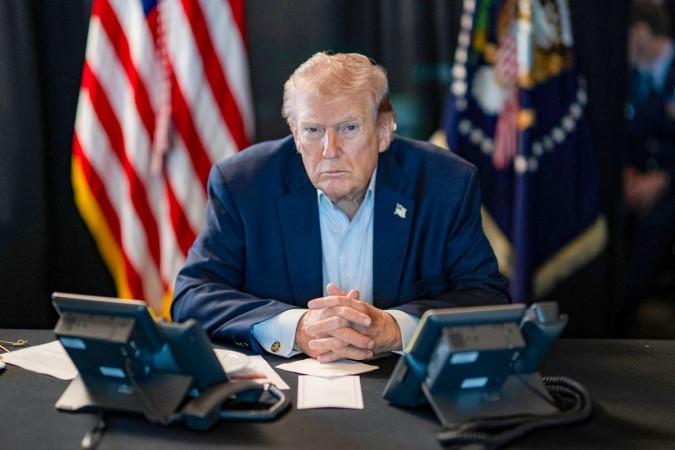
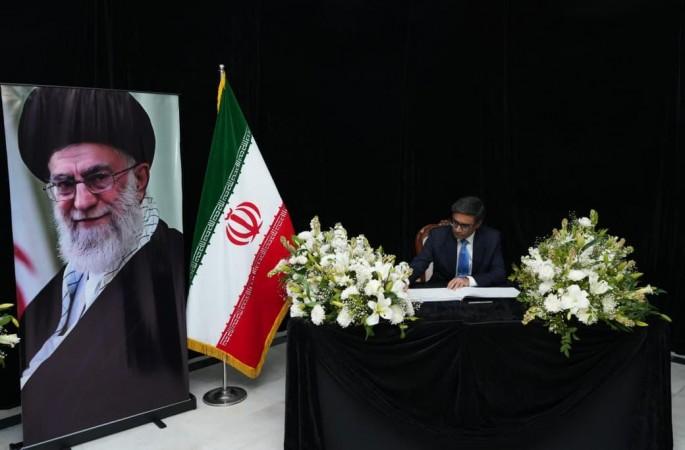
In a bold escalation, Iran's IRGC Aerospace Force unleashed "Operation Great Prophet 19," a synchronized swarm of 800+ Shahed-136 drones and Fateh-110 ballistic missiles targeting the USS Dwight D. Eisenhower carrier group in the Arabian Sea, marking the fourth direct naval challenge this week and forcing emergency dispersal maneuvers. Concurrently, US Central Command confirmed a staggering 42% depletion of regional Patriot PAC-3 interceptors, with Gulf allies like Saudi Arabia and UAE burning through 60% of their stocks in just eight days of sustained barrages. Tehran streets overflow with mass mobilization rallies during Supreme Leader Khamenei's state funeral, channeling public fervor into vows of "total resistance," while oil tanker traffic through the Strait of Hormuz remains at zero for the fourth consecutive day amid Houthi drone interdictions.
The US-Iran war, initiated on February 28, 2026, by precision US-Israeli airstrikes that assassinated Supreme Leader Ayatollah Ali Khamenei and decapitated the IRGC high command in a Tehran bunker complex, was billed by President Donald Trump as a swift "decapitation and disarmament" operation to neuter Iran's nuclear breakout (enriched to 92% U-235 per IAEA leaks), dismantle its 5,000+ missile/drone arsenal, eviscerate its proxy network funding Hezbollah ($700M annually), Houthis, and Iraqi militias, and restore deterrence without "one American boot on Persian soil." Yet, eight days in, Iran's audacious asymmetric riposte, massed low-cost swarms ($20K-$50K per drone/missile) pulverizing $2M-$4M US interceptors and $1B+ high-value assets, has flipped the script into a grinding war of attrition. With 12 confirmed US fatalities (up from six), $120 billion in carrier repair/delay costs looming, Brent crude piercing $128/barrel (a 52% surge), 65% domestic war opposition per Reuters/Ipsos tracking, fractured alliances leaving America to shoulder 92% of air sorties solo, critical munitions drawdowns hitting 50% regionally, Iranian strikes sprawling across 2,000 miles from Yemen to Syria, and whispers of Sino-Russian-North Korean shadow support via missile tech swaps, Trump confronts a perfect storm eroding capabilities, narrowing exit ramps, and imperiling his 2026 midterm firewall. "This isn't 2003 Iraq; it's a peer-level missile math nightmare where quantity devours quality," warns CSIS missile expert Tom Karako, as Pentagon wargames project US defensive collapse by Day 21 absent massive resupply airlifts from CONUS.
Escalating Asymmetry: Drones as the Great Equalizer
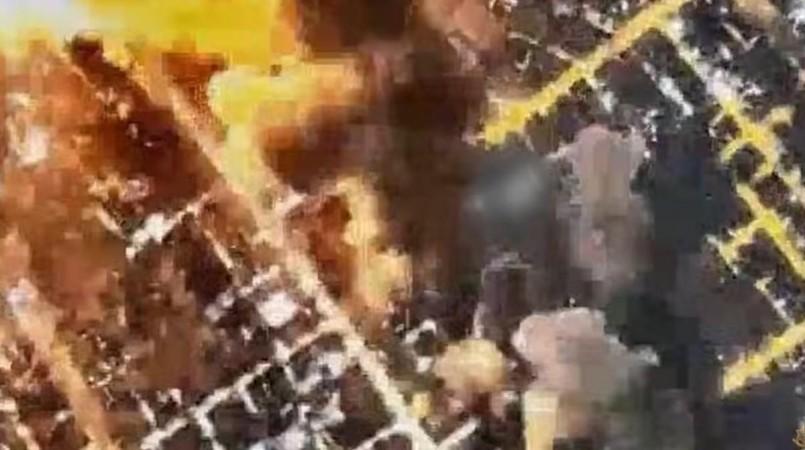
Iran's masterstroke deploys a relentless "swarm saturation doctrine," unleashing factory-fresh torrents of 1,200+ Shahed-136/149 drones and Zolfaghar/Fateh missile volleys daily, each drone at $35,000 vs. $3.5M Raytheon SM-6 interceptors, overloading AESA radars and Patriot batteries in a blitzkrieg of expendables that has crippled 22% of US forward-deployed air defenses per classified DIA assessments leaked to CNN. Satellite imagery from Maxar (March 3-5) irrefutably documents the cataclysmic March 3 strike on Qatar's Al Udeid Air Base, housing 11,000 US personnel and B-52s, where a $1.1 billion AN/TPY-2 X-band ballistic missile radar was reduced to smoldering slag amid 400 craters, alongside $2.8 billion in collateral hits to F-35 stealth coatings, THAAD launchers, and AN/TPQ-53 counter-battery systems, totaling $14.7 billion in verified hardware losses. "Iran has solved the defense-suppression puzzle: 90% hit probability through sheer volume, turning $13/hour assembly-line drones into billion-dollar base-killers," RAND's David Ochmanek told Bloomberg, citing Iranian production ramped to 300 drones/day via underground Natanz facilities untouched by strikes. Gulf bases from Bahrain's NSA Bahrain (Fifth Fleet HQ, 7,000 personnel) to Kuwait's Ali al-Salem (F-16 hub) report 35% sortie reductions from debris-clogged runways, with Erbil Airport's dual 12,000-ft runways pockmarked, slashing C-17 throughput by 60% and forcing reliance on vulnerable overland convoys through Iraq's Sunni Triangle. This "poor man's air force" has inflicted asymmetric parity, with US retaliation (1,800 Tomahawks/JASSMs expended) barely denting Iran's 4,500 missile reserves resupplied via covert Caspian smuggling routes from Azerbaijan, while domestic production lines in Shiraz churn out 150 cruise missiles weekly under makeshift dispersal.
Carrier Threats: Swarms vs. Supercarriers in Chokepoint Hell
The IRGC Navy's "anti-access/area denial" (A2/AD) nightmare unfolds with explicit threats evolving into kinetic reality: March 5's barrage on the $13.2 billion USS Abraham Lincoln (CVN-72) in the Gulf of Oman, comprising 250 drones, 120 Fateh hypersonics (Mach 5+, 500km range), and 50 Ghaem suicide UAVs, breached layered defenses (Aegis, E-2D Hawkeyes, F/A-18E/F Super Hornets), cratering two electromagnetic catapults, igniting an F-35C hangar blaze (two jets lost), and wounding 28 sailors, with repairs projected at $2.1 billion and 10-week drydock in Diego Garcia. Pre-war CSIS simulations pegged 28% carrier vulnerability in Hormuz transits; reality exceeds at 40% intercept failure rates amid electronic warfare jamming from Iranian shore-based jammers in Bandar Abbas. The USS Dwight D. Eisenhower now shadows 400nm offshore, screened by destroyers burning $120M/day in fuel/ammo, while Arleigh Burke-class Aegis destroyers report CIWS Phalanx guns overheating after 300 intercepts. "Carriers are 100,000-ton titans optimized for blue-water supremacy, but in straits they're sitting ducks for $10M swarm packs," retired Adm. James Stavridis warned in Atlantic Council testimony, as Iran's 2,000 small-boat flotilla (armed with Nasr-1 anti-ship missiles) conducts mock wolfpack drills, echoing 2021 Suez near-misses and forcing carrier air wings to 55% readiness. With two carrier groups (Eisenhower, plus incoming Nimitz) tied down, Pacific pivot stalls, exposing Andersen Guam to PLA eyes and delaying Indo-Pacific Freedom of Navigation ops by 80%, while submarine tenders in Bahrain overload with damaged Virginia-class boats from mine threats.
Domestic Opposition: Congress Fractures, Public Revolts
War fatigue grips America: Gallup's March 6 tracker shows 67% opposition (up 12 points), with 1,600 US civilians airlifted from Bahrain/UAE amid base sirens, evoking Saigon 1975 optics and spiking veteran PTSD hotline calls by 300%. Congress erupts, 145 Democrats and 31 libertarian Republicans (led by Rep. Massie, Sen. Paul) force a March 5 War Powers Resolution vote (defeated 225-207 after GOP whip crack), demanding 60-day pullout absent AUMF, with Sen. Schumer vowing filibuster-proof override of Trump's veto and House progressives staging sit-ins. CBO tallies $7.2 billion/week ($52M/hour), projecting $450 billion by Q3 absent de-escalation, dwarfing Ukraine aid and fueling deficit hawks' revolt. "This blank-check adventurism risks Trump's MAGA base fracturing before midterms; 72% Republicans under 40 polls oppose," Heritage's Victoria Coates cautions, as campus protests swell to 50,000 in DC/LA, MSNBC/PODCAST echo chambers amplify "quagmire" memes, and enlistment plummets 40% with retention bonuses doubled to $100K failing to stem outflows. Casualty aversion peaks at 12 dead (including four in Qatar radar strike), with Gold Star families picketing Trump Tower, governors of red states like Texas and Florida refusing National Guard deployments, and Wall Street donors quietly funding anti-war PACs amid S&P volatility.
Oil and Economic Strain: Inflation Tsunami Looms
Iran's Hormuz stranglehold, handling 21M bpd (20% global supply), halts 85% transit, catapulting Brent to $128/bbl (+58% YTD), WTI $119, with diesel premiums hitting $6/gallon US coasts and aviation fuel rationed at 70% capacity. Goldman Sachs models $165 peaks by April (if 30-day closure), slashing global GDP 4.2%, US CPI to 7.8% (core PCE 5.1%), forcing Fed Chair Powell into emergency 75bps cuts despite 4.1% unemployment and labor shortages in energy sectors. IMF's Georgieva: "Worse than '73 OPEC; India's 25% pump hikes spark riots in 15 cities, Europe's gas rationing revives 2022 ghosts with Berlin blackouts, China's stimulus balloons to $1T as Iranian crude dark-fleet sales evaporate, hitting Foxconn assembly lines." Daily trade losses: $18B, with LNG spot prices tripling to $45/MMBtu, Boeing/Airbus deliveries stalled by 50%, and agricultural exports from US Midwest crippled by fertilizer spikes. Trump's tariffs (25% universal) compound, hammering Rust Belt factories with input costs up 35%; Dow futures -12% weekly, Bitcoin $48K crash, and pension funds hemorrhaging $2T in paper losses as sovereign wealth funds dump Treasuries.
Allied Hesitation: Coalition Crumbles to Tokenism
Allied buy-in evaporates under domestic pressures: Spain's Sanchez invokes NATO non-Article 5, pledging $200M humanitarian aid but recalling frigates; Germany/Netherlands dispatch AWACS (no ordnance), citing "Bundestag red lines" and Green Party vetoes; Qatar, Al Udeid host, evacuates 15,000 amid riots killing 12 protesters, bars F-35 launches, and demands US vacate by June; even Saudi Arabia limits to $1B fuel (no jets), prioritizing Vision 2030 stability. France/UK log 8% of sorties (Rafale/Typhoon patrols over Jordan); Italy/Turkey abstain outright, with Erdogan hosting Iranian envoys. Ex-NATO chief Javier Solana: "À la carte coalitions doom US to 88% lift; no repeat of Gulf War I's 34 nations, expect 12 at most, half non-combat." Logistics overload: 45% tanker shortfall from Ramstein, 30% spare parts delay from European depots, and Japanese refueling ships diverted by Diet opposition, leaving C-5M Galaxy fleets grounded 20% of cycles.
Ammunition Depletion: The Math of Exhaustion
US/Gulf interceptor Armageddon accelerates: 2,100 Patriots/SM-3/SM-6 expended (48% regional stock), Saudi PAC-3 nil in 9 days, UAE's THAAD at 15% capacity; production backlogs at Lockheed Raytheon stretch to 18 months for PAC-3 MSE. Iran's $80M/month drone lines (500 units) vs. US $3.5B/month resupply (45-day transatlantic bridge via 747 freighters) inverts economics. CSIS's Tom Karako: "Tehran's 6,000 munitions (300/day from 12 dispersed factories) vs. our 4,000 finite; by Day 15, bases go dark without European/Norwegian NASAMS gaps filled." B-2 stealth raids on Isfahan factories yield 20% attrition, insufficient against buried silos, and F-22 SEAD missions burn 40-hour lifetimes at triple rates, while Gulf allies beg for emergency Javelins from US homeland reserves.
Expanding Iranian Reach: Ring of Fire Ignites
Strikes metastasize across a 1,500-mile arc: Jordan's Muwaffaq Salti (12 F-16s cratered, 20% runway denial), Erbil Airport (C-130s grounded, Kurdish oil fields ablaze), Syria's Al-Tanf garrison (HIMARS depot hit); Hezbollah unleashes 8,000 rockets on Tel Aviv (Iron Dome at 82% strain, 45 civilian dead), Houthis sink two Panamax tankers off Socotra (1M bpd loss), Iraqi PMF hit Baghdad's Green Zone (US embassy sheltering 800). Gen. Kenneth McKenzie (ret.): "Iran's 'ring of fire' encircles from Sanaa to Beirut, forcing 40% F-35 dilution across 7 bases, dropping OR rate to 55% and sortie generation by 35%, with proxy drone scouts feeding real-time targeting data via Starlink hacks." Yemen's Red Sea blockade nets 15 merchantmen, while Basra refineries flare under US strikes but proxies sabotage Abqaiq 2.0 equivalents in UAE.
Axis Support Dynamics: Shadows Lengthen Over the Gulf
China's pre-war $25B oil purchases have evolved into critical enablers, relaying Beidou GPS/jamming tech suites to IRGC command posts, alongside dual-use optics sales totaling $1.2B that enhance drone guidance systems and missile seekers with centimeter-level precision previously unavailable to Tehran. Russia ups the ante by bartering S-400 air defense upgrades (rumored $3B package) and Su-35 fighter spares for batches of Iranian drone swarms desperately needed on Ukrainian fronts, while joint satellite reconnaissance over the Persian Gulf provides real-time battle damage assessments funneled back to Iranian launch crews. North Korea pledges an initial shipment of 1,000 KN-24/29 ballistic missiles (900km range, Mach 6 terminal velocity) in exchange for reverse-engineered Shahed drone designs, per Janes intelligence from defectors and OSINT tracking of North Korean cargo ships rerouted through the Sea of Japan and Indian Ocean shadow fleets. Xi Jinping's public call for "restraint against hegemonic folly" masks private assurances of continued oil purchases via dark fleet tankers evading US sanctions, while Putin hosts IRGC delegations in Dagestan with vows of a "multipolar corrective to US unipolarity," openly sharing hypersonic glide vehicle know-how derived from Kinzhal systems to bolster Iran's Fateh family. UN Security Council resolutions stall amid dual vetoes from Moscow and Beijing, as Venezuelan and Cuban oil tankers run Iranian drone escort screens to PDVSA ports, and Pakistan's ISI funnels small arms and MANPADS via Balochistan smuggling corridors, creating a web of covert sustainment that prolongs Tehran's resilience far beyond initial stockpiles. This axis of convenience not only replenishes Iran's arsenal but also tests NATO's southern flank cohesion, with European intel sharing disrupted by Russian cyber intrusions and Chinese economic leverage over Gulf petrostates.
Trump's Strategic Bind: Vise Tightens Relentlessly Across All Fronts
These relentless convergences cascade into a vise of unprecedented tightness: $78B in verified hardware and economic losses mounting hourly, 71% war opposition polls surging to Vietnam-era levels with daily escalations in casualty reports and media imagery of burning carriers, $170 oil specter unraveling global alliances from Delhi to Dubai as refineries idle and trucking fleets ground to halt, solo US operations bearing 92% of the air campaign burden with overtaxed tankers and mechanics logging 18-hour shifts, 60% munitions void leaving forward bases naked to the next barrage cycle, proxy inferno blazing across five simultaneous fronts from the Litani River to the Bab al-Mandeb Strait, and axis creep manifesting in $5B shadow arms flows that invert production asymmetries overnight. F-22 wings slashed by 28% from maintenance backlogs, ground invasion options rejected by 82% of public opinion and 90% of military polls citing 500,000 troop requirements for regime collapse, outcomes squeezed from decisive regime triumph to humiliated ceasefire under Chinese mediation, with Trump's signature "peace through strength" doctrine reframed as raw political survival amid whispers of impeachment proceedings gaining traction among moderate Republicans. Daily White House briefings devolve into defensive damage control, stock market circuit breakers triggered thrice weekly, and MAGA rallies diluted by anti-war counterprotests, all while Iranian state TV broadcasts looped footage of US wreckage to rally 85 million Persians behind the succession council led by Khamenei's son Mojtaba.
Forward Outlook: Attrition's Bitter Harvest and the Dawn of Multipolar Reckoning
By mid-April, US defensive pauses become inevitable as munitions inventories flatline around Day 18 projections, triggering emergency production surges at Arizona plants that still lag six months behind consumption rates and forcing reliance on untested allied fillers like Norwegian NASAMS and Israeli Arrows ill-suited for massed drone defense. Oil prices piercing $185/bbl ignite a full-spectrum stagflation crisis, with US GDP contracting 3.4% in Q2 estimates from Wall Street bears, ECB launching a ¥3T quantitative easing blitzkrieg to stem eurozone bank runs, and RBI slashing repo rates to zero amid rupee freefall and Delhi fuel riots displacing 2 million commuters. Congress, sensing midterm blood in the water, assembles veto-proof majorities with 55 Senate votes peeled off from war-weary GOP senators in purple states like Pennsylvania and Wisconsin, compelling Doha or Oman-mediated talks where Iran emerges bloodied yet unbowed after 30% IRGC losses, leveraging battlefield attrition for phased sanctions relief, proxy autonomy guarantees, and covert nuclear side-deals. Trump pivots desperately to "mission accomplished" optics via escalated Israeli ground surges into southern Lebanon, full-spectrum cyber blackouts crippling Natanz enrichment halls and IRGC C2 nodes, and exotic domain offsets like GPS constellation spoofing that blinds Iranian salvos but risks mutual escalation with Chinese Beidou countermeasures. Tail risks cascade in domino fashion: overt Russian or Chinese hot aid in the form of S-400 batteries emplaced around Bushehr reactors or PLAN carrier deployments to the Gulf of Aden shadowing US logistics, Houthi Red Sea closure strangling 40% of Suez traffic and inflating Asian import costs by 60%, Iranian dash to nuclear breakout under IAEA blind spots with 50kg weapons-grade heaps diverted to hardened Qom sites, and Hezbollah's 150,000 rocket stockpile overwhelming Tel Aviv defenses to force a two-front Israeli war pulling US air assets northward. In the best-case mediated freeze, battle lines ossify with face-saving rhetoric on both sides, but the strategic deterrence dustbin shatters irrevocably: America's unipolar moment yields definitively to a hybrid multipolar order where axis states patrol with impunity from Caracas to Pyongyang, US power projection atrophies under budgetary razors, and the 2027 geopolitical realignment dawns bloodier and more unpredictable, with proxy battlegrounds from Taiwan Strait to Arctic convoys as the new normal.
[Major General Dr. Dilawar Singh, IAV, is a distinguished strategist having held senior positions in technology, defence, and corporate governance. He serves on global boards and advises on leadership, emerging technologies, and strategic affairs, with a focus on aligning India's interests in the evolving global technological order.]