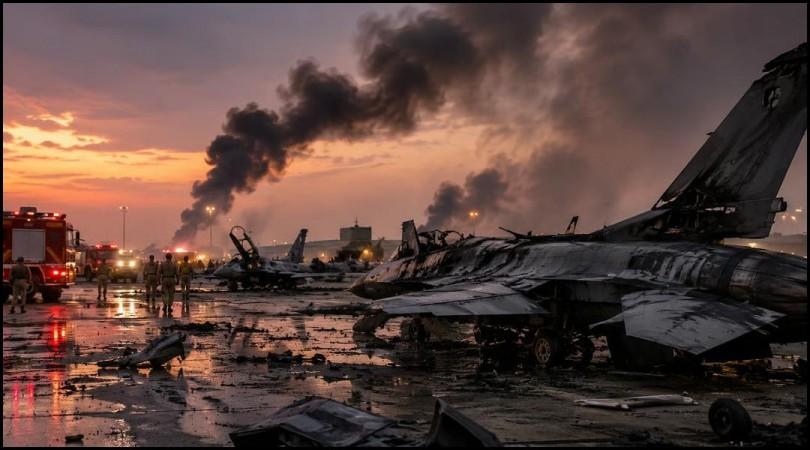
The conflict between the United States and Iran intensified on Saturday after another night of American airstrikes targeted military and infrastructure sites across southern Iran, prompting Tehran to launch fresh missile and drone attacks against US-linked targets in the Gulf region.
According to reports, US strikes hit multiple locations, including bridges in Hormozgan province, a railway station in Bandar Abbas, Iranshahr Airport and facilities near the strategic Strait of Hormuz. Iranian authorities reported casualties and damage to civilian infrastructure, while the US said its operations were aimed at degrading Iran's military and logistics capabilities.
In retaliation, Iran's Islamic Revolutionary Guard Corps (IRGC) claimed it carried out missile and drone strikes targeting US military assets in Bahrain, Qatar, Kuwait and Jordan. Tehran also claimed to have damaged US military equipment, though these claims have not been independently verified. Gulf nations activated air defence systems as several projectiles were intercepted.
The latest escalation comes after seven consecutive nights of US strikes, with Washington also tightening pressure through naval operations around the Strait of Hormuz, a key global oil transit route. Shipping disruptions and security concerns have pushed oil prices higher and heightened fears of a wider regional conflict.
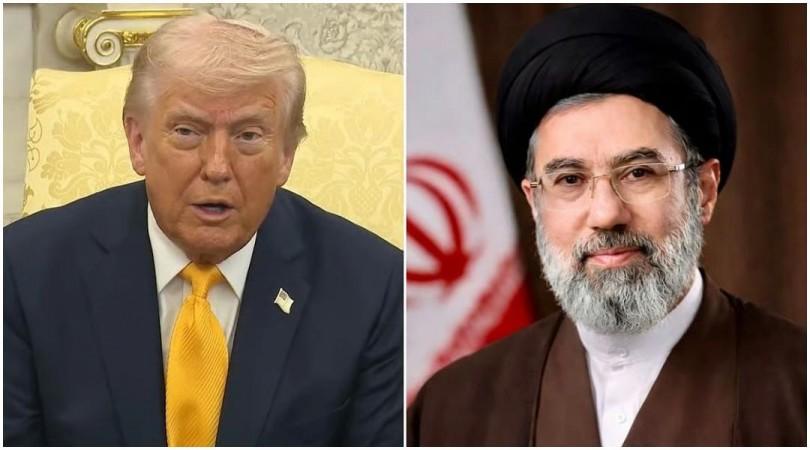
US President Donald Trump defended the military campaign, while Iran warned that further attacks would trigger stronger retaliation. Diplomatic efforts to de-escalate the crisis remain stalled despite continued international calls for restraint.
The United Nations has expressed concern over the growing regional instability, with the expanding conflict threatening energy supplies, commercial shipping and civilian infrastructure across the Middle East.