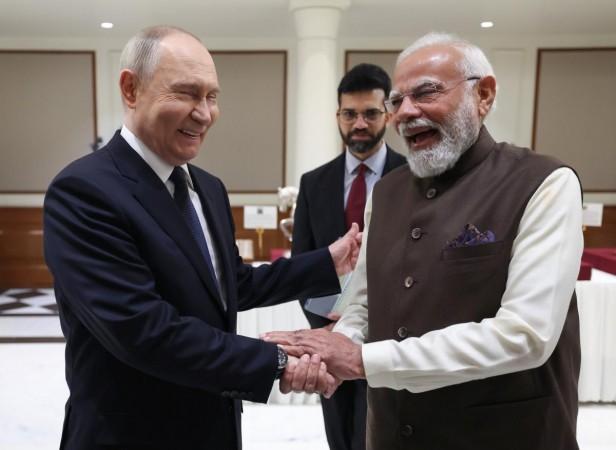
The framework for the India-US Interim Agreement, announced on February 6, 2026, in a formal White House joint statement, represents a strategic recalibration grounded in reciprocity and mutual benefit. Commerce Minister Piyush Goyal stated unequivocally that sensitive agricultural and dairy sectors are completely protected, safeguarding farmers' interests and rural livelihoods. Staples including wheat, rice, maize, soybeans, dairy, poultry, meat, ethanol, tobacco, and certain vegetables remain fully shielded with no tariff reductions or market access concessions. In return, India eliminates or reduces tariffs on all US industrial goods and a wide range of US agricultural products, explicitly including dried distillers' grains (DDGs), red sorghum for animal feed, tree nuts, fresh and processed fruit, soybean oil, wine and spirits, plus additional items. India also commits to addressing long-standing non-tariff barriers on US food and agricultural products, medical devices, and ICT goods.
The United States applies a reciprocal tariff rate of 18 percent on a range of Indian originating goods (textiles and apparel, leather and footwear, plastics, rubber, organic chemicals, home décor, artisanal products, and certain machinery). Subject to finalisation, the US will remove the reciprocal tariff on generic pharmaceuticals, gems and diamonds, and aircraft parts, while removing certain national security tariffs on Indian aircraft and parts and granting India a preferential tariff-rate quota for automotive parts. India intends to purchase 500 billion dollars of US energy products, aircraft and aircraft parts, precious metals, technology products (including GPUs for data centres), and coking coal over the next five years, while shifting away from Russian oil imports. Negotiations to finalise the legal text began February 23, with signing targeted for March and operationalisation in April.
Recent developments add layers of complexity. On February 20, 2026, the US Supreme Court ruled 6-3 that the International Emergency Economic Powers Act (IEEPA) does not authorise broad tariffs, invalidating previous reciprocal measures. President Trump responded with an executive order invoking Section 122 of the Trade Act of 1974, imposing a temporary global tariff of 10 percent (subsequently raised to 15 percent) for up to 150 days, subject to Congressional extension. Trump affirmed that "nothing changes" for the India framework in spirit, but the global tariff effectively supersedes the 18 percent reciprocal rate for India, lowering the effective burden to 15 percent with exemptions for critical sectors like pharmaceuticals and minerals. This fluid tariff environment underscores the need for vigilant policy adaptation.
This framework delivers a narrow but precious window: defensive shields for vulnerable staples combined with offensive access to the world's largest premium market. The Union Budget 2026-27, presented February 1, supplies the fiscal backbone: 1.32 to 1.63 lakh crore rupees for the Agriculture Ministry and 1.70 to 1.71 lakh crore rupees for fertiliser subsidies (1,70,944 crore rupees net). Protection without transformation is mere delay. The imperative is offensive transformation: reorient subsidies from distortion to precision, embed frontier technologies at national scale, reconstruct fragmented markets, and engineer a high-value export renaissance that converts limited import competition into global leadership.

The Vision: Viksit Krishi 2047 – From 18 Percent GDP Contributor to Engine of Inclusive, Regenerative Prosperity
By 2047, Indian agriculture must sustain 8 to 10 percent annual growth, double real farmer incomes to 4 to 5 lakh rupees per household, restore soil organic carbon across 50 percent of arable land (from current levels below 0.75 percent in 75 percent of samples), and achieve 100 billion dollars in combined agricultural, marine, and processed food exports, rising from 51.1 to 51.2 billion dollars in FY25 (CAGR 8.2 percent since FY20's 34.5 billion dollars, per PIB data). This vision is ambitious yet pragmatic, rooted in empirical projections from ICRIER and NITI Aayog models. The February 6 framework and Budget align perfectly: moderating fertiliser subsidy growth frees fiscal space, Bharat-VISTAAR provides the digital nervous system, and US market access (immediate 1 to 2 billion dollar window for spices, shrimp, nuts, and processed foods) supplies demand pull. Former Agriculture Secretary Siraj Hussain observed post-deal: "Consumers gain from nuts and fruits, but soybean and fruit growers in Madhya Pradesh, Maharashtra, and Himachal need targeted adjustment packages, not blanket protectionism."
Stakeholder perspectives add critical nuance. Export bodies and government hail the 18 percent US reciprocal rate (now adjusted to 15 percent global) as a "big win" for shrimp (up 46 percent surge in January 2026 food items), rice, spices, and processed foods (Indian Rice Exporters Federation). Farmer organisations (SKM, BKU) and opposition voices (Congress leader Pawan Khera) warn of DDGS and soybean oil imports squeezing domestic oilseed processors and poultry feed markets, with Khera noting post-Supreme Court developments an "effective 18.4 percent tariff burden" and calling for renegotiation. Trade economist Biswajit Dhar cautions that without rigorous impact assessments, such frameworks risk eroding policy autonomy in agriculture. The balanced path: leverage protections to accelerate competitiveness, not foster complacency. As ICRIER's January 2026 report emphasises, calibrated openings could boost rural incomes by 12 to 15 percent in diversified clusters while mitigating price squeezes through targeted support.
Subsidy Revolution: From Input Distortion to Outcome-Based Precision (1.71 Lakh Crore Rupees Re-engineered)
The 1.71 lakh crore rupees fertiliser allocation ensures stability for 140 million holdings amid volatility, yet urea's fixed MRP of 242 rupees per 45-kg bag since 2018 perpetuates the NPK consumption ratio near 10:4:1 against the ideal 4:2:1 and nitrogen-use efficiency of 35 to 40 percent. Economic Survey 2025-26 and ICRIER analyses confirm this drives soil acidification, micronutrient deficiencies (zinc in 36.5 percent of soils, per ICAR 2025 sample of 242,827), and 5.3 billion tonnes annual topsoil loss, costing 1.2 percent of GDP annually.
Bold yet phased reforms:
A. Integrate urea into the Nutrient-Based Subsidy framework over three years (FY27 to 29), with direct benefit transfer via Aadhaar-linked Soil Health Cards, potentially saving 20 to 25 percent of the subsidy bill (35,000 to 42,000 crore rupees).
B. Ring-fence 25 to 30 percent of projected annual savings (25,000 to 35,000 crore rupees) into a Regenerative Agriculture Incentive Fund: direct payments of 5,000 to 10,000 rupees per hectare for verified soil organic carbon gains (targeting 1 percent SOC in deficient areas), micronutrient balance, and water savings, tracked via Bharat-VISTAAR.
C. Introduce outcome top-ups: 15 to 25 percent extra subsidy on bio-fertilisers, nano-urea, and customised complexes for farmers achieving 10 to 15 percent chemical reduction (verified data), drawing from PM-PRANAM's 2023-24 success of 15.14 lakh metric tonnes reduction in 14 states.
D. Expand PM-PRANAM to reward states and districts achieving 4:2:1 NPK balance by 2030, with special packages for oilseed belts facing soybean oil tariff-rate quota pressure, including 20 percent premium on MSP for soybean and mustard.
This shifts from quantity to quality, as NITI Aayog has long advocated, while fully shielding smallholders and potentially reducing GHG emissions by 18 to 22 percent in intensive zones, per FAO SOFA 2025.
Technological Supremacy: Bharat-VISTAAR as the National Nervous System
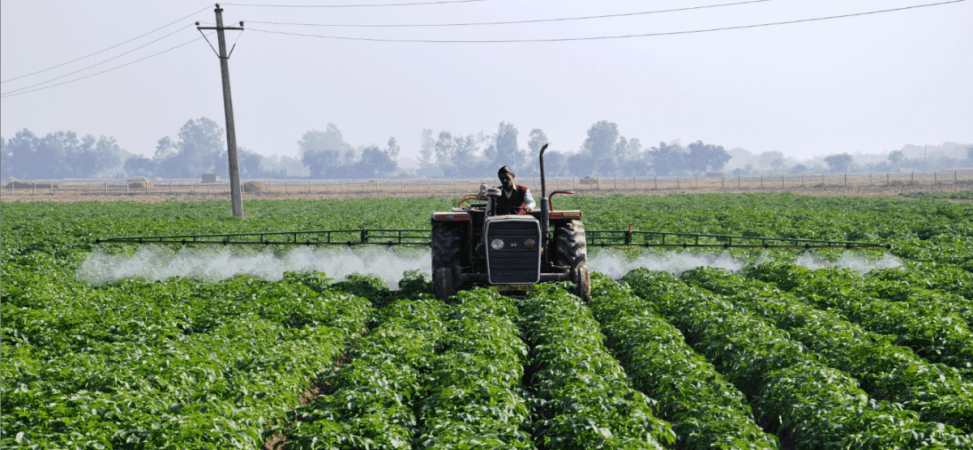
Budget 2026-27's launch of Bharat-VISTAAR, the multilingual AI platform integrating AgriStack, ICAR advisories, IMD weather, soil health, market intelligence, and schemes, is a game-changer. Voice-first delivery via phone or chatbot reaches even low-literacy farmers, with initial pilots showing 15 to 20 percent yield gains.
Granular rollout with incentives:
A. Achieve 100 percent saturation of 140 million holdings by December 2027 via 5 lakh Common Service Centres and 10,000 Kisan Melas, with real-time dashboards for adoption tracking.
B. Mandate integration of ISRO satellites, Namo Drone Didi fleets (target 15,000-plus units with 40 to 100 percent subsidy for FPOs and women SHGs), and IoT sensors for variable-rate nutrient and pest recommendations, proven to cut inputs by 20 to 30 percent and water use by 25 to 35 percent in trials.
C. Launch the Tech Adoption Incentive Scheme: 50 to 75 percent capital subsidy plus interest subvention on drones, soil sensors, and drip systems, bundled with mandatory Bharat-VISTAAR onboarding, targeting 50 lakh adopters in Year 1.
D. Roll out quantum-optimised pilots for supply chains and blockchain traceability across 100 export-oriented clusters by 2028, ensuring premium pricing in US and EU markets while reducing post-harvest losses from 15 to 20 percent to under 10 percent.
As Cropin's Budget analysis notes, this AI-first ecosystem converts village-level data into actionable intelligence at scale, potentially adding 1.5 to 2 percent to sectoral GDP through efficiency gains.
Market Reconstruction and Inclusive Farmer Support: Aggregation Power for Smallholders
Fragmented markets erode value, with post-harvest losses costing 92,651 crore rupees annually (NITI Aayog 2025). Rebuild them systematically:
A. Upgrade e-NAM into a National High-Value Agri Market Platform with AI-driven price discovery, blockchain smart contracts, and direct FPO-to-buyer linkages, expanding from 1,000 mandis to full coverage.
B. Introduce FPO 2.0: credit guarantee up to 5 crore rupees per FPO, equity grants for export-oriented entities, and mandatory processor tie-ups (target 50,000 strengthened FPOs by 2030, up from 12,000 current).
C. Expand SHE-Marts: 30 percent capital subsidy plus 4 percent interest working capital for 10,000-plus women SHG retail outlets, empowering 50 lakh women in value chains.
D. Launch credit-linked entrepreneurship schemes for livestock, fisheries, and protected cultivation: create 10 lakh new rural enterprises by 2030, with special focus on oilseed and horticulture clusters affected by the deal, including adjustment funds of 10,000 crore rupees for price stabilisation.
Export Renaissance: Production-Linked, Export-Linked, Brand-Driven to 100 Billion Dollars
FY25 agricultural and processed food exports reached 51.1 to 51.2 billion dollars. The framework's 18 percent US reciprocal tariff (now 15 percent global) opens immediate gains for spices (13 percent of exports), marine products (shrimp), processed fruits, nuts, and value-added foods. The Production-Linked Incentive scheme for Food Processing (10,900 crore rupees outlay) has already approved 169 projects, catalysed over 9,200 crore rupees investment, created 35 lakh metric tonnes capacity, generated 3.39 lakh jobs, and disbursed 2,162 crore rupees in incentives (early 2026 data).
Next-generation architecture:
A. Double the PLI-Food outlay to 20,000 to 22,000 crore rupees (Phase 2) with 6 to 8 percent incentives targeted at US-aligned products: organic nuts, ready-to-eat ethnic foods, processed mangoes, and marine value-adds, projecting 5 lakh additional jobs.
B. Launch the Agri-Export Linked Incentive (AELI): 5 to 10 percent cash incentive on incremental high-value exports above a base year, funded from fertiliser savings and deal gains, aiming for 20 percent CAGR.
C. Develop 100 GI-tagged export clusters with 5,000 to 7,000 crore rupees dedicated for cold-chain, testing laboratories, and branding funds over five years, leveraging 1,200 GI products.
D. Establish an Agri-Export Promotion Board under the Commerce Ministry for single-window market access, 25 percent freight subsidy on perishables, and US retail promotion partnerships.
F. Apply RoDTEP and duty drawback multipliers for units achieving 20 percent-plus export growth and sustainability certification, integrating carbon credits for regenerative practices.
Implementation Roadmap: Decisive, Monitored, Inclusive, and Federally Owned
Establish a National Agri Transformation Council under the Prime Minister with quarterly public dashboards tracking NPK balance, Bharat-VISTAAR adoption rates, export growth, soil health metrics, and farmer income levels. Allocate 1 percent of agri-GDP (approximately 30,000 crore rupees) annually to R&D in climate-resilient seeds, precision tools, and regenerative practices. Ensure 50 percent of all scheme benefits flow to small and marginal farmers and women; states receive performance-linked grants tied to measurable outcomes. Conduct annual impact audits by independent bodies like ICRIER to refine policies.
The February 6, 2026 framework did not weaken Indian agriculture; it tested its resolve. As FAO Director-General QU Dongyu has repeatedly stated, "Better land, soil, and water management are key to feeding billions sustainably." With the Budget's fiscal tools, Bharat-VISTAAR's digital spine, reoriented subsidies, reconstructed markets, and export-linked incentives, India can convert protection into pre-eminence, fostering a sector that not only sustains but elevates the nation's global stature.
February 22, 2026 is the moment of clarity. The harvest of Viksit Bharat begins in policy imagination and courageous execution. The choice is leadership. Let us seize it.
[Major General Dr. Dilawar Singh, IAV, is a distinguished strategist having held senior positions in technology, defence, and corporate governance. He serves on global boards and advises on leadership, emerging technologies, and strategic affairs, with a focus on aligning India's interests in the evolving global technological order.]