
Delhi is witnessing a sharp rise in H1N1, commonly known as swine flu, cases this monsoon season, with the capital recording 1,349 confirmed cases so far this year. The figure is nearly six times higher than the 229 cases reported during the corresponding period last year.
Hospitals across Delhi have reported an increase in patients suffering from flu-like symptoms, including cough, cold and high fever. Doctors have said they are seeing several H1N1 patients in outpatient departments every day, although most cases remain mild and symptoms generally improve within three to five days.
Common symptoms of H1N1 include fever or chills, persistent cough, sore throat, body aches, muscle pain, headache and a runny or blocked nose. Some patients may also experience nausea, vomiting or diarrhoea. Doctors have advised people to seek medical attention if they develop breathing difficulties, shortness of breath, chest pain or bluish lips.
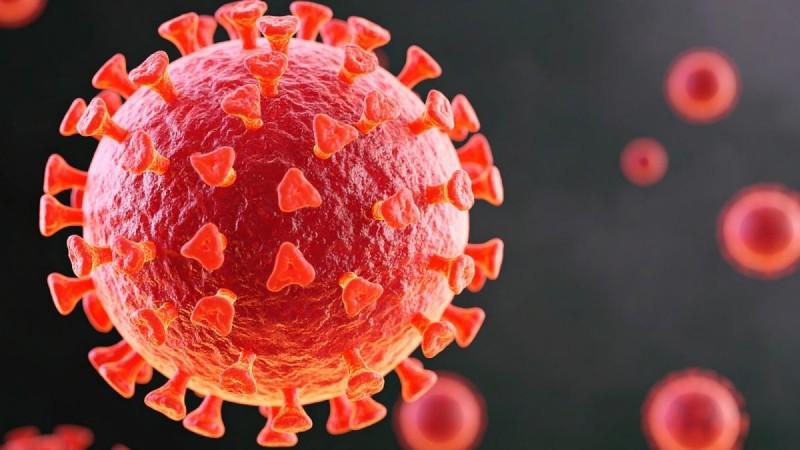
Health experts have linked the seasonal rise partly to changes in temperature during the monsoon. Vulnerable groups, including elderly people and those with underlying conditions, are considered more susceptible to infections and complications.
Doctors have advised people who test positive for H1N1 to isolate at home for a few days, wear a mask and consult a doctor regarding treatment. The Delhi government has said hospitals are prepared to manage the increase in cases, with separate wards and dedicated rooms available for H1N1 and dengue patients.
H1N1 is now considered a seasonal influenza virus and continues to circulate globally.