Gold futures on the MCX surged over Rs 4,100 or 4 per cent on Wednesday to a fresh record high, as investors jumped to buy safe‑haven assets amid fears of a widening US‑EU trade conflict and a softer dollar.
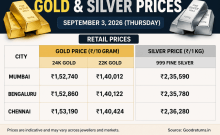
MCX gold February futures rose 4.25 per cent to Rs 1,56,970 per 10 grams. Meanwhile, MCX silver March futures rose 2.71 per cent to Rs 3,32,451 per kg.
International markets also saw new peaks as US gold futures jumped to $4,849 per troy ounce on COMEX. COMEX silver consolidated in the $92.5–$95.7 range.
The rally followed reports that the United States plans tariffs on eight European countries from February 1 and could raise duties to 25 per cent in June. European countries are reportedly considering anti-coercive measures, using trade defence mechanisms designed to counter economic pressure from foreign governments.
The medium-to-long-term outlook of silver remains exceptionally bullish, with scope toward $110–$120 in 2026 under sustained supply constraints and industrial demand, according to analysts.
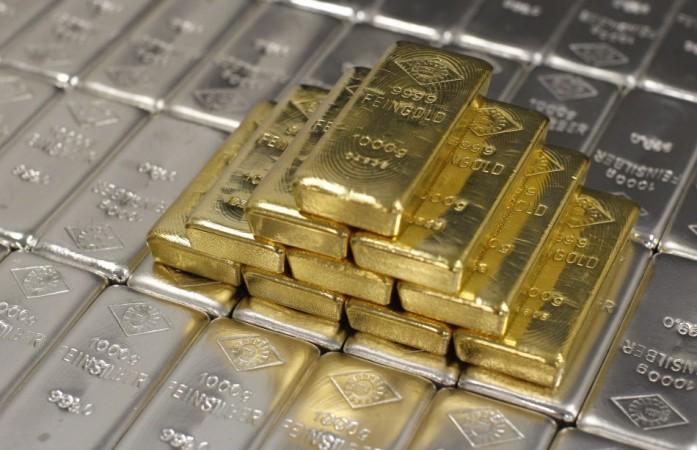
In MCX silver futures, immediate upside targets are placed at Rs 3,30,000–Rs 3,32,000, with scope to extend toward Rs 3,35,000–Rs 3,50,000 over the coming months, they said.
"Global equity markets crashed amid the escalation of the trade war, driven by the US President's ambition to annex Greenland. Panic selling in riskier assets is supporting safe-haven buying for both precious metals," said Manoj Kumar Jain of Prithvifinmart Commodity Research
The US 10-year bond yields hit four-month highs due to panic selling in the Japanese bond, and supported both precious metals. Weakness in the rupee is also supporting gold and silver prices, Jain said.
Structural demand from solar, EVs, AI infrastructure, and electronics remains exceptionally strong, adding to safe-haven and inflation-hedge flows, they said.
Safe-haven flows, central bank accumulation, geopolitical risks, and expectations of accommodative monetary conditions continue to provide a powerful structural tailwind.
(With inputs from IANS)