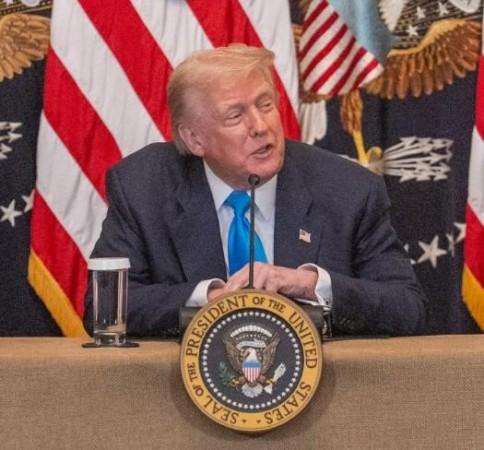
US President Donald Trump recently made strong remarks on two major fronts: domestic energy policy and foreign diplomacy. On renewable energy, Trump claimed his administration has "basically stopped all windmills in this country," criticizing wind power as "the most expensive energy you can get." He said most turbines are imported, primarily from China, and described wind projects as harmful to the landscape, killing birds and endangering military operations and airliners. Trump also criticized turbines as "a tremendous eyesore" disliked by the public and stated he hopes no new wind projects are built during his term.
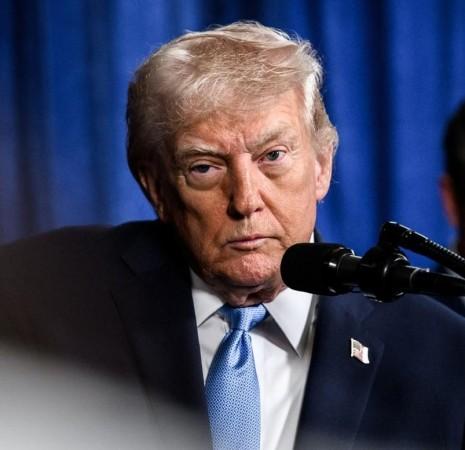
These comments were part of a broader defense of fossil fuels and deregulation of climate policies, even as wind energy has grown in the US over the past decade due to federal incentives and state mandates. Analysts note that US energy policy shifts can have wide-ranging effects on global renewable energy markets, technology flows, and supply chains.
On foreign policy, Trump issued a stern warning to Iran, urging the country to quickly reach a nuclear agreement. "We have to make a deal otherwise it's going to be very traumatic," he said, adding that negotiations should move swiftly, ideally within a month. He also signaled consequences if Iran fails to agree to a "fair and very good deal," referring to a potential "Phase 2" of measures without specifying details. Trump's comments followed his meeting with Israeli Prime Minister Benjamin Netanyahu, emphasizing continued diplomacy coupled with renewed pressure on Tehran.
Iran's nuclear program remains a key issue in West Asia, with potential regional and global implications. The US withdrawal from the 2015 nuclear deal during Trump's first term had already escalated tensions, and any further standoff could affect energy markets and security dynamics, including in countries like India, which relies heavily on Gulf crude oil imports.
Together, these statements reflect Trump's focus on reinforcing fossil fuels domestically while maintaining a hardline approach in international diplomacy, particularly concerning Iran's nuclear ambitions.