
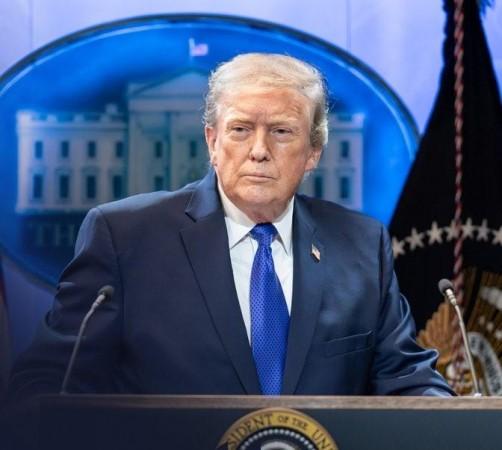
The future of the second round of peace talks between Iran and the United States, scheduled to be held in Pakistan this week, remains uncertain after Tehran threatened to pull out following the US seizure of an Iranian-flagged vessel near the Strait of Hormuz over the weekend. The fragile two-week ceasefire between Tehran and Washington is set to expire on Wednesday, with US President Donald Trump indicating it is unlikely to be extended.
Iran has accused Washington of undermining diplomacy by imposing a blockade and violating the ceasefire, arguing that such actions aim to turn negotiations into a forced surrender or justify renewed conflict. Iran's parliament speaker and chief negotiator, Mohammad Bagher Ghalibaf, warned that Tehran would not engage in talks under pressure and claimed the country has prepared "new options" if hostilities resume.
Despite both sides expressing interest in a diplomatic resolution, tensions have continued to rise around the Strait of Hormuz, a critical global shipping route that has become central to the dispute. The US has confirmed its delegation will attend the talks in Pakistan, led by Vice President J.D. Vance along with senior officials. However, the exact timing remains uncertain.
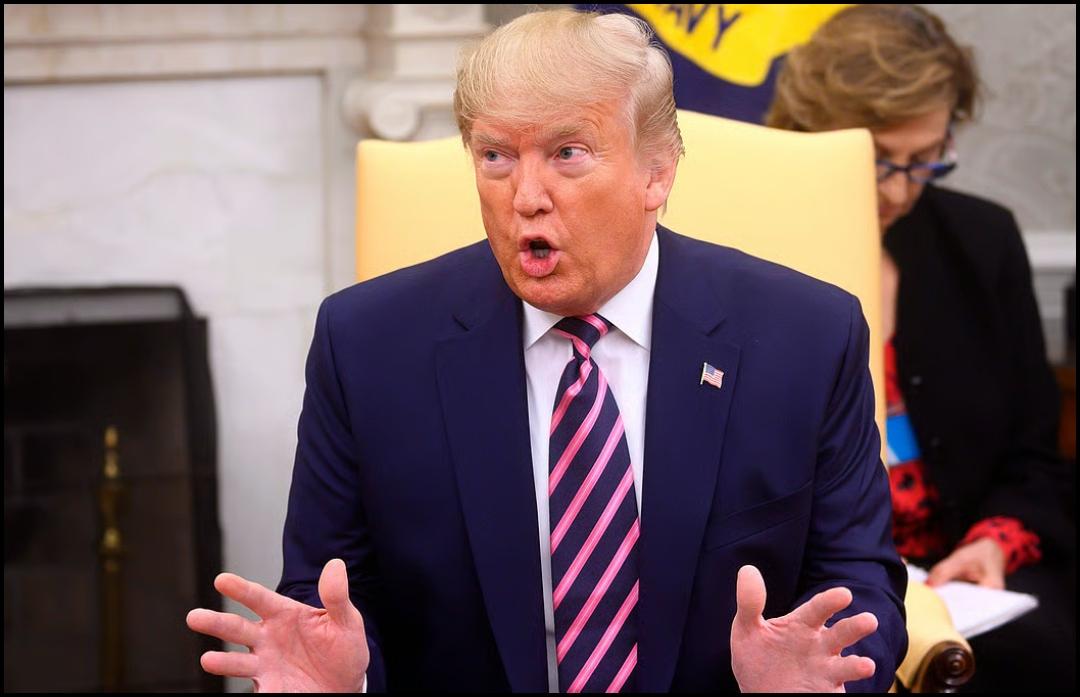
Trump also issued a stark warning, saying that if the ceasefire expires without progress, the situation could quickly escalate into renewed violence.
According to officials cited in The Washington Post, the main obstacles to the talks include Washington's blockade and Trump's strong public rhetoric, which Iran views as confrontational. While both sides are believed to have broadly agreed on the framework of a potential deal, such statements risk derailing progress. Mediators in Pakistan have reportedly urged the US to soften its tone and frame the talks as a mutually beneficial outcome for both countries.