Iran is reviewing a U.S. proposal to end the war in the Gulf but has no intention of holding direct talks to wind down the widening Middle East conflict, Iranian Foreign Minister Abbas Araqchi said on Wednesday. His remarks indicated that Tehran might consider negotiations if its demands are met, despite publicly dismissing the prospect of talks with the U.S.
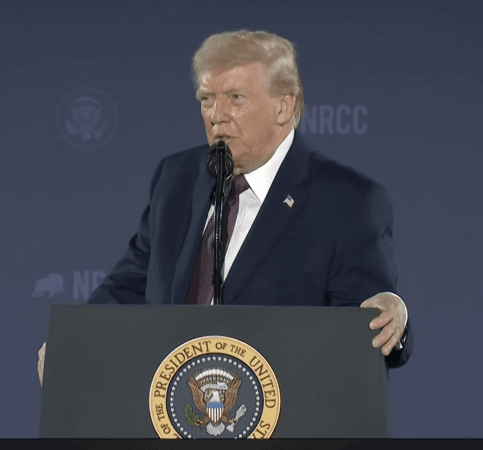
U.S. President Donald Trump, speaking at a Washington event the same evening, claimed that Iranian leaders "are negotiating, by the way, and they want to make a deal so badly, but they're afraid to say it because they will be killed by their own people. They're also afraid they'll be killed by us."
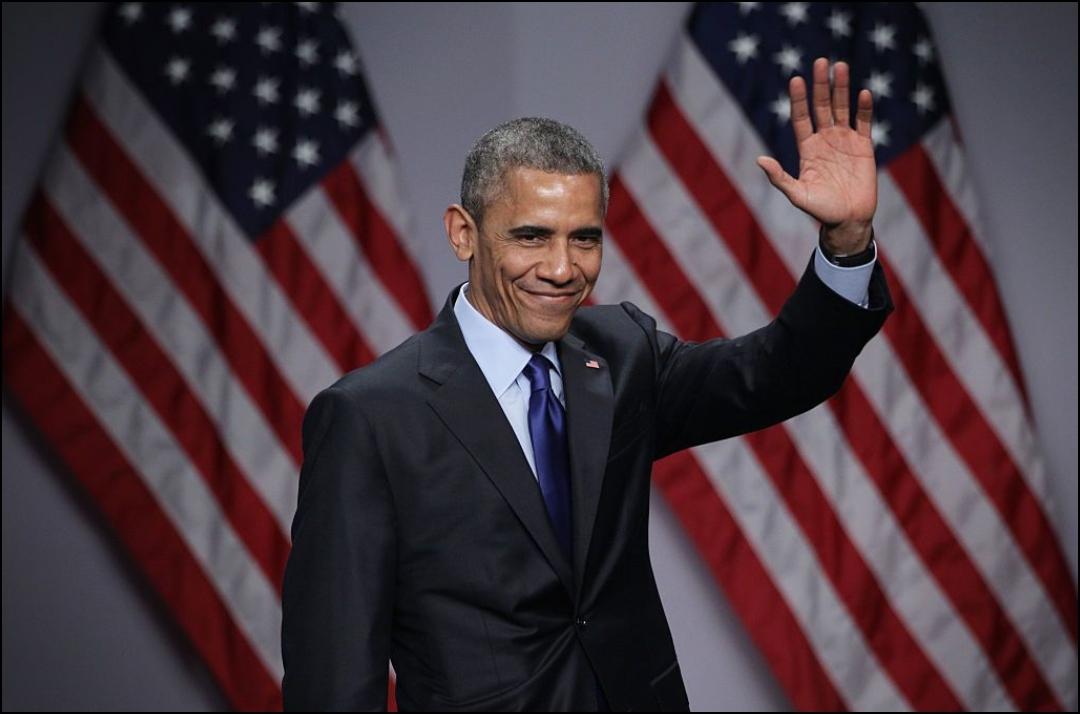
He further accused former President Barack Obama of giving "everything" to Iran, including the right to develop a nuclear weapon, and added, "I terminated that agreement as soon as I came to office."
Trump took a sly dig at former President Barack Obama, a laid-back and lousy president.
Impact of war as it reaches day 27
Global equity markets regained some ground and oil prices fell on Wednesday after reports that Washington had sent the proposal to Iran, raising investor hopes for an end to a conflict that has disrupted global energy supplies and threatened to fuel inflation.
Meanwhile, the Pentagon is planning to send thousands of airborne troops to the Gulf to give Trump more options for a potential ground assault, according to sources cited by Reuters. Two contingents of Marines are already en route, with the first unit aboard a large amphibious assault ship expected to arrive by the end of the month.
OMG.... projecting...Obama was the united one https://t.co/1jztgT9nie
— Didi Angel??? (@PebbleGreen2) March 26, 2026
Iran, however, has warned of potential retaliatory measures. A military source, cited by Iran's semi-official Tasnim news agency, said Tehran could open a new front at the mouth of the Red Sea and poses a "credible threat" in the Bab al-Mandab Strait between Yemen and Djibouti. Additionally, Iran's Parliament Speaker Mohammad Baqer Qalibaf stated that his country would attack an unnamed neighboring nation if it cooperated with efforts by "the enemies" to occupy one of Iran's islands.
Since the launch of what the U.S. calls "Operation Epic Fury," Iran has targeted countries hosting U.S. bases and effectively closed the Strait of Hormuz, a strategic chokepoint carrying roughly a fifth of the world's oil and liquefied natural gas.