The Centre on Friday announced a series of major decisions spanning agriculture, biotechnology innovation and rural development, aimed at strengthening farmers' incomes, boosting research-led growth and empowering local bodies.
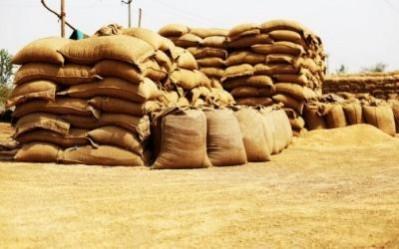
In a farmer-centric move, the government approved the export of 25 lakh metric tonnes (LMT) of wheat along with 5 LMT of wheat products to stabilise domestic markets and ensure remunerative returns. According to the Consumer Affairs Ministry, wheat stocks with private entities in 2025–26 stand at around 75 LMT — nearly 32 LMT higher than last year — indicating a comfortable supply position. Wheat availability in the central pool with the Food Corporation of India (FCI) is projected at about 182 LMT as on April 1, 2026, ensuring that exports will not impact domestic food security.
Wheat acreage in Rabi 2026 has also increased to 334.17 lakh hectares from 328.04 lakh hectares last year, reflecting farmer confidence backed by assured MSP and procurement mechanisms. The export decision is expected to stabilise prices, improve liquidity and strengthen farm incomes.
The government also permitted an additional 5 LMT of sugar exports during Sugar Season 2025–26, over and above the 15 LMT already allowed. With only 1.97 LMT exported so far and 2.72 LMT contracted, the move aims to manage surplus stocks and support sugar mills. Mills must export at least 70 per cent of their allocated quota by June 30, 2026.
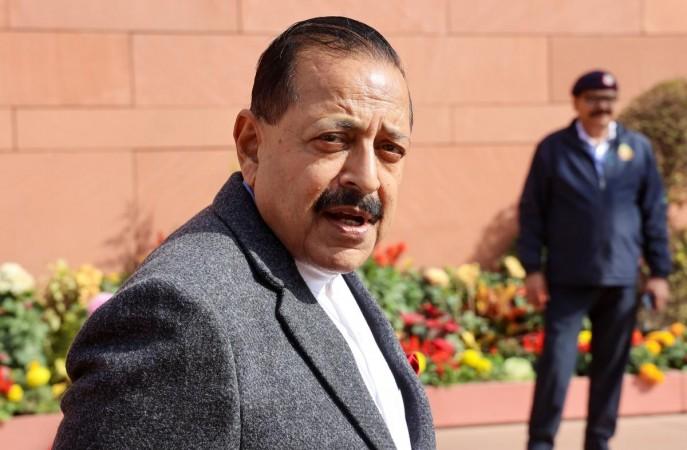
In a boost to the biotech sector, the government approved the first national call under the Rs 2,000 crore BIRAC–RDI Fund, part of the larger Rs 1 lakh crore Research, Development and Innovation initiative launched under the Anusandhan National Research Foundation. Union Minister Jitendra Singh said the move signals India's shift towards science-led growth and early leadership in emerging technologies. India's biotech startup ecosystem has expanded from about 50 startups in 2014 to over 11,000 today, while the bioeconomy has grown from $8 billion to a major global presence.
The BIRAC–RDI Fund, implemented through the Biotechnology Industry Research Assistance Council, will support high-risk, long-gestation research from TRL-4 to TRL-9 using equity and long-term debt instruments. It complements the BioE3 Policy and aims to translate laboratory research into scalable industrial outcomes across biopharma, bio-manufacturing, bioenergy and advanced technologies.
Separately, the Union government released over Rs 3,324 crore to strengthen rural local bodies in Bihar, Uttar Pradesh, Haryana, Himachal Pradesh and West Bengal under the second instalment of the 15th Finance Commission's untied grants for 2025–26. Uttar Pradesh received the highest allocation of Rs 1,559.40 crore, followed by Bihar (Rs 802.40 crore), West Bengal (Rs 680.86 crore), Haryana (Rs 197.627 crore) and Himachal Pradesh (Rs 68.30 crore), along with additional amounts from previously withheld funds.
The grants, recommended by the Ministries of Panchayati Raj and Jal Shakti and released by the Finance Ministry, will enable Panchayati Raj Institutions to address local development needs under the Eleventh Schedule. While untied grants can fund location-specific priorities, tied grants are earmarked for sanitation, maintenance of ODF status, waste management and drinking water services.
Together, these measures reflect a multi-pronged push by the Centre to support farmers, drive innovation-led economic growth and strengthen grassroots governance across the country.
(With inputs from IANS)