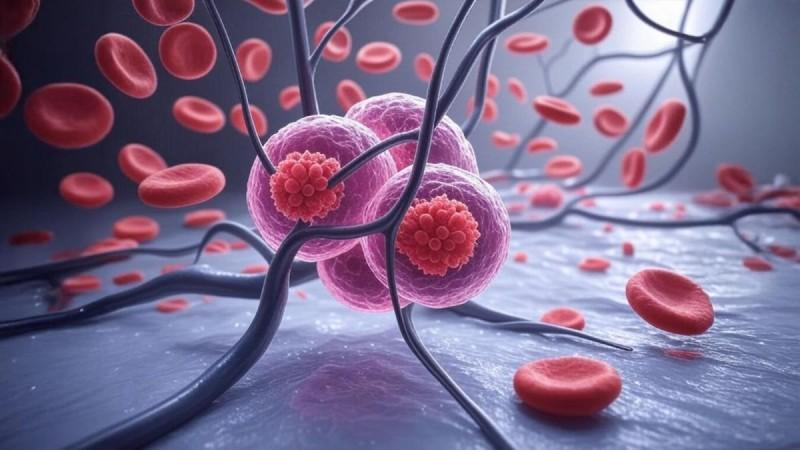
Cancer cases are rising steadily in the Union Territory of Jammu and Kashmir, with official figures showing 32,425 patients reported over the past three years — a number that highlights the mounting burden of the disease across the region.
Lung, breast, oral, cervical, prostate, and pancreatic cancers are among the most commonly diagnosed, according to data presented before the House.
The figures were shared by Health and Medical Education Minister Sakina Itoo in a written reply to a question raised by Pulwama MLA Waheed-ur-Rehman Para regarding treatment facilities for terminal diseases.
As per the official response, Jammu Division recorded 6,804 cancer cases over the last three years. The numbers show a steady increase — 2,036 cases in 2023, 2,187 in 2024 and 2,581 in 2025 — pointing to a consistent upward trend.
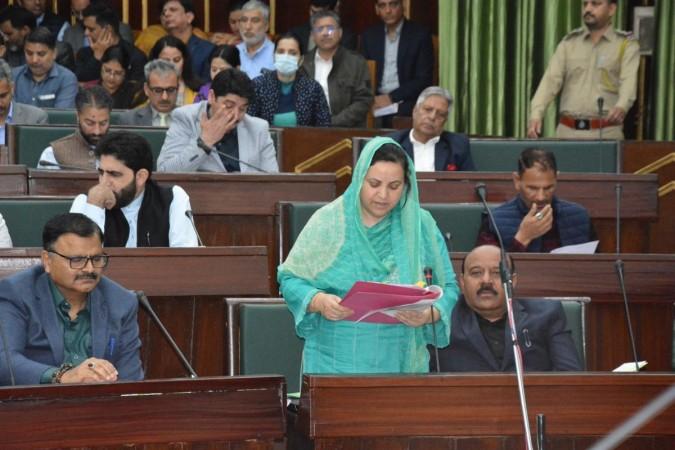
Kashmir Division reported a significantly higher caseload, with 25,621 cases between 2022 and 2024. The figures stood at 8,021 in 2022, 8,621 in 2023 and 8,979 in 2024, reflecting a year-on-year rise.
Taken together, 10,657 cancer cases were reported across Jammu and Kashmir in 2023. That number climbed to 11,166 in 2024, underlining a clear increase in reported cases within a year.
While the government maintained that no district has reported any unusual disease of major public health concern, it acknowledged that the growing prevalence of common cancers — particularly lung and breast cancer — remains a serious challenge.
On the healthcare infrastructure front, the government said comprehensive cancer care services are available at Sher-i-Kashmir Institute of Medical Sciences (SKIMS), Soura, and the State Cancer Institute at Government Medical College, Jammu. These institutions offer medical, surgical and radiation oncology services, backed by advanced diagnostic facilities such as PET-CT, CT scans, and MRI.
Specialised oncology services are also available at Government Medical Colleges in Jammu and Srinagar. However, such facilities are yet to be extended to district hospitals and Community Health Centres, limiting timely access to treatment for patients in far-flung and rural areas.
The reply further noted that PET scan services are currently available only at SKIMS, Soura. These services are not yet operational at the Government Medical College, Srinagar, or its associated hospitals.
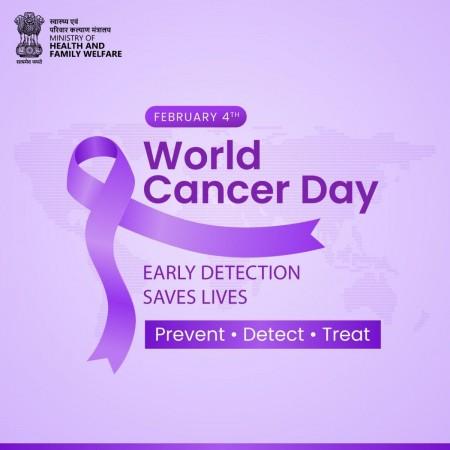
The government informed the Assembly that awareness campaigns and screening programmes are being conducted through outpatient departments and health camps. It is also implementing the National Programme for Prevention and Control of Non-Communicable Diseases (NPCDCS) to strengthen early detection and management of cancer and other lifestyle-related illnesses.
Regarding the steps taken by the authorities to face this challenge, the government stated that institutions in Jammu & Kashmir, such as Sher-i-Kashmir Institute of Medical Sciences (SKIMS) and the State Cancer Institute (SCI) at Government Medical College, Jammu, provide comprehensive, multidisciplinary cancer care encompassing Medical Oncology, Surgical Oncology, Radiation Oncology, and Clinical Hematology.
"These Institutes are equipped with advanced diagnostic and therapeutic facilities, including PET-CT, CT scan, dedicated CT simulators, modern radiotherapy systems, and other specialized oncology services", the Minister said, adding, "Due emphasis is laid on public education regarding early warning signs of cancer and modifiable risk factors such as tobacco cessation, healthy dietary habits, and lifestyle modification, with a view to facilitating cancer prevention and early treatment".
The following measures are being implemented for early detection of cancer:
- Awareness generation and screening through outpatient services and health camps.
- Early diagnosis using available diagnostic modalities such as X-ray, ultrasound, CT scan, MRI, endoscopy, EGD, colonoscopy, colposcopy, EBUS, and histopathology.
- Implementation of the National Programme for Prevention and Control of Non-Communicable Diseases (NPCDCS).
- Referral of patients requiring radiotherapy or advanced oncological care to higher tertiary care centres.
- Observance of national and international cancer awareness days in collaboration with NGOs, nursing institutions, educational colleges, and print and social media to promote prevention and early detection.
The discussion formed part of a broader debate in the Assembly on terminal illnesses and the preparedness of cancer care infrastructure in Jammu and Kashmir — a challenge that, by the government's own data, is becoming more pressing with each passing year.