

CES 2026 made one thing very clear: the next wave of consumer technology is being shaped around on-device AI, edge computing, ultra-portable performance, and deeper hardware-software integration. From AI-accelerated laptops and creator machines to smarter accessories and input devices, this year's show was more about practical innovation than flashy concepts.
Here are some important announcements from CES 2026 that signal real shifts in how we'll work, create, and consume technology.
ASUS UGen300 USB AI Accelerator: Bringing AI to any device
One of the most interesting launches at CES 2026 was ASUS' UGen300 USB AI Accelerator, a compact USB-C device that adds up to 40 TOPS of AI performance to any compatible computer.
Powered by the Hailo-10H processor and 8GB dedicated memory, the UGen300 allows laptops, desktops, and even Android devices to run generative AI models locally — without relying on cloud processing. It supports popular frameworks like TensorFlow and PyTorch, making it attractive to developers, researchers, and enterprises that need privacy-first, low-latency AI.
Why it matters: This marks a shift toward portable edge AI, where intelligence moves closer to users and away from centralized data centers.
LG's home robot moment
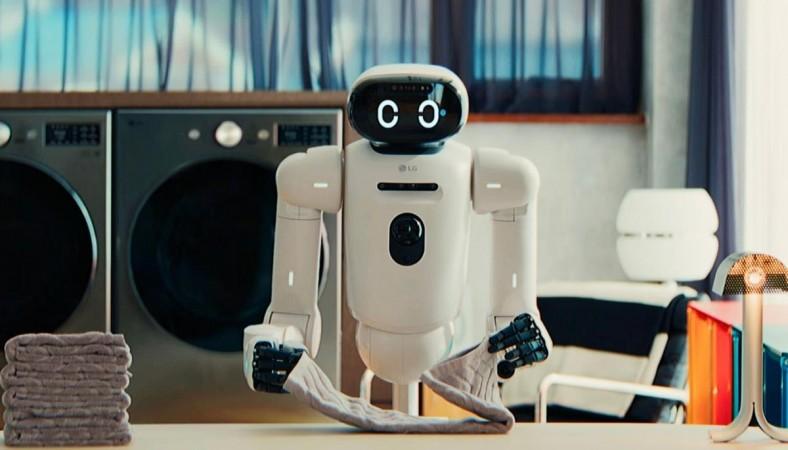
LG used CES 2026 to preview CLOiD, a new AI-powered home robot designed to move beyond voice assistants and actually perform physical household tasks like handling laundry or fetching objects.
Why it matters: This signals a shift from screen-based and conversational AI to embodied, task-driven AI in everyday life — showing how robotics and ambient intelligence could become as common as smart speakers in future homes.
ASUS Zenbook DUO: Dual screens meet on-device AI
ASUS refreshed its dual-screen Zenbook DUO with two 14-inch OLED displays, improved hinge design, and up to 50 TOPS of AI compute on board.
With better cooling, longer battery life, and software tools built for cross-screen productivity, the Zenbook DUO is no longer a novelty—it's positioning itself as a serious productivity machine for developers, creators, and multitaskers.
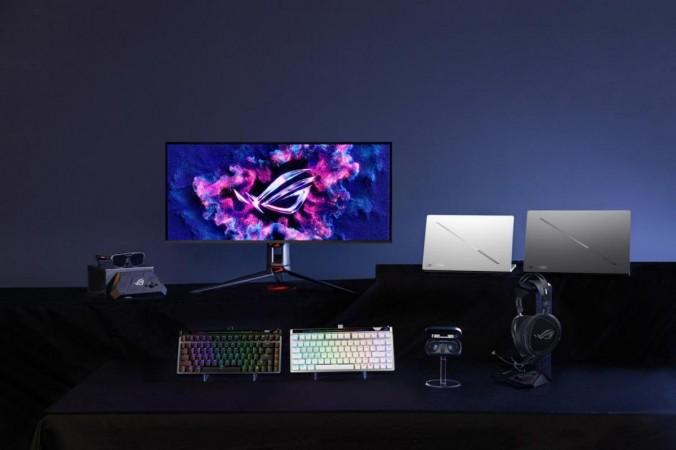
It also received a CES 2026 Innovation Award, underlining its role in pushing laptop form factors forward.
Why it matters: Multi-screen workflows and on-device AI are converging into a new category of high-end productivity laptops.
Acer's AI PC push
Acer expanded its laptop lineup at CES 2026 with new Swift Go 16 AI, Aspire 14 AI, Aspire 16 AI, and Nitro V 16 AI models powered by AMD Ryzen AI 400 Series processors, bringing Copilot+ PC features, on-device AI acceleration, and next-gen graphics to thin-and-light, mainstream, and gaming laptops alike.
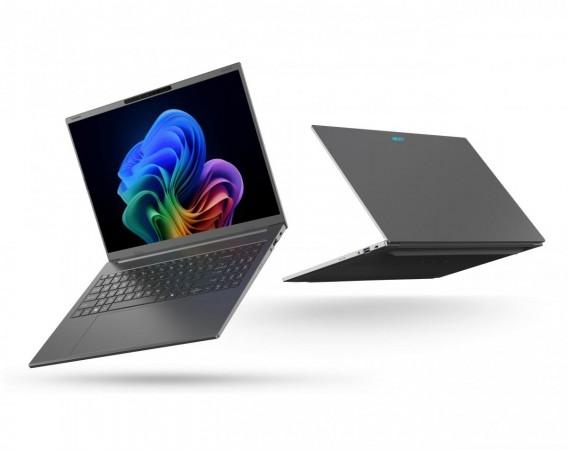
Why it matters: This marks a broad move to make AI-native PCs mainstream — not just premium — as on-device AI shifts from a niche feature to a core part of everyday productivity, creativity, and gaming performance.
Asus ProArt GoPro Edition: Creator laptop for creator economy
Asus ProArt GoPro Edition (PX13) stood out as a device built specifically for modern creators—not just powerful, but deeply integrated into creative workflows.
It features:
- AMD Ryzen AI Max+ processor
- Up to 128GB unified memory
- Native integration with GoPro Cloud and 360° workflows
- A 13-inch 3K OLED touchscreen
- Stylus support and ASUS DialPad
It even comes bundled with a GoPro Premium+ subscription and won a CES Innovation Award.
Why it matters: This reflects how hardware is being designed around content creation pipelines, not just raw performance.
Samsung Galaxy Book6 Series: AI PCs go mainstream
Samsung's Galaxy Book6 Ultra, Pro, and standard models represent one of the clearest signs that AI PCs are becoming mainstream.
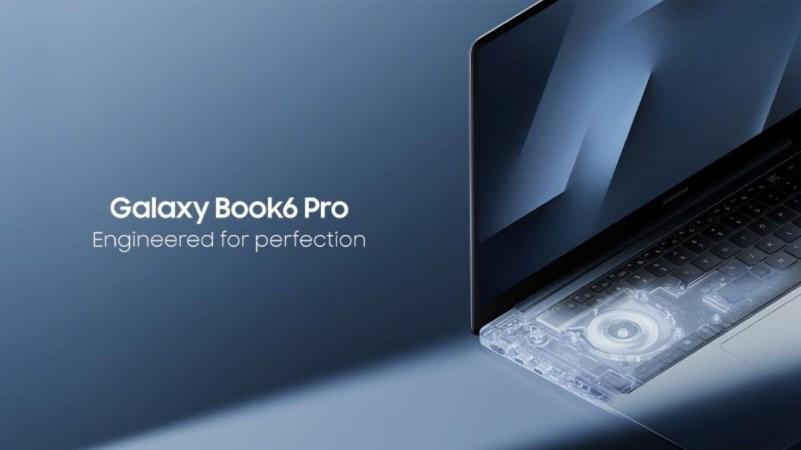
Powered by Intel Core Ultra Series 3 processors built on Intel 18A, and paired with NVIDIA RTX 50-series GPUs on higher-end models, the Galaxy Book6 lineup focuses on:
- AI acceleration (CPU, GPU, and NPU working together)
- Thin and light design
- Long battery life
- Hardware-level security via Samsung Knox
Samsung is positioning AI not as a feature, but as a default layer across productivity, creativity, and security.
Why it matters: 2026 looks like the year when AI becomes a standard expectation in laptops, not a premium add-on.
MSI's productivity and gaming refresh
At CES 2026, MSI rolled out a sweeping update across its laptop lineup, headlined by the redesigned Prestige series for professionals and a new generation of high-performance gaming machines.
The new Prestige 14, Prestige 16, and featherweight Prestige 13 AI+ focus on thinner designs, lighter materials, longer battery life, and built-in AI acceleration, while adding features like OLED displays, stylus-enabled 2-in-1 models, and Copilot integrations aimed at modern mobile workflows.
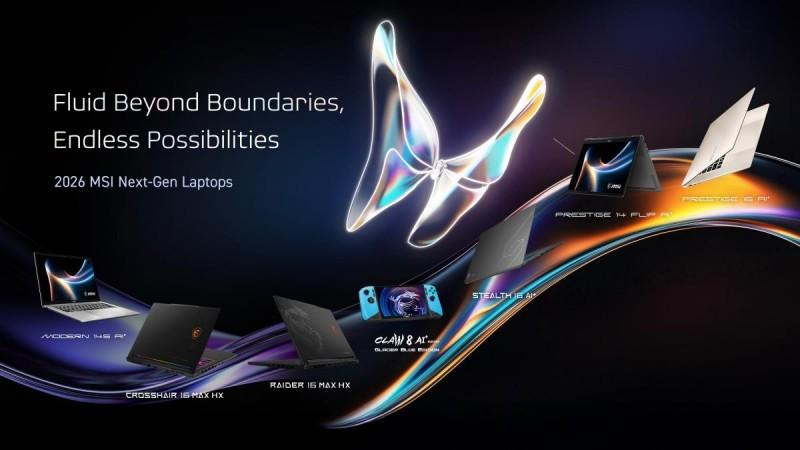
MSI pushed performance boundaries with new Raider, Stealth, and Crosshair gaming laptops — including the world's first 300W total system power gaming laptop in the Raider 16 Max HX — alongside refreshed designs, better thermals, and next-gen RTX 50 series graphics.
Why it matters: MSI's CES lineup reflects how laptops are becoming more specialised yet more versatile at the same time—with AI, graphics, and battery life now equally important pillars.
Sandisk's big rebrand
At CES 2026, Sandisk unveiled SANDISK Optimus as the new umbrella brand for its internal SSD portfolio, bringing its gaming, creator, and professional storage products under a single, clearer performance-led identity. The Optimus lineup is split into three tiers — Optimus, Optimus GX, and Optimus GX PRO — replacing the familiar WD Blue and WD_BLACK branding with a new system designed to make it easier for users to understand performance levels and choose the right drive for their needs.
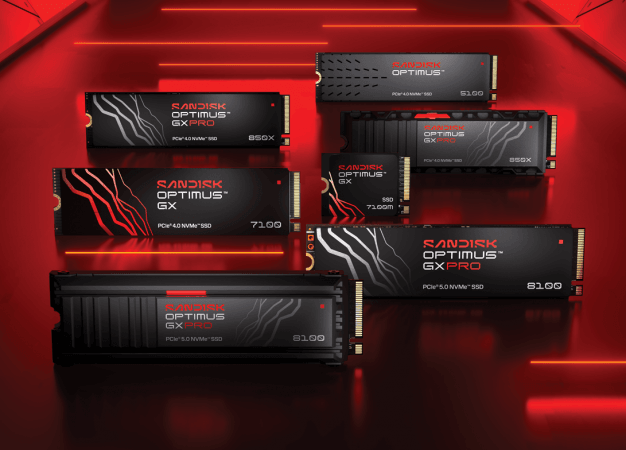
The rebrand isn't just cosmetic. Sandisk is positioning Optimus as a future-ready platform for high-performance computing, gaming, and AI-powered PCs, with the GX PRO tier specifically aimed at developers, professionals, and enthusiasts building next-generation workstations. The refreshed packaging and product identity also signal Sandisk's intent to modernize its consumer-facing presence while retaining the reliability and trust it built through its legacy flash storage brands.
Why it matters: As AI PCs, high-end gaming, and content creation drive demand for faster, higher-capacity storage, Sandisk is streamlining how it communicates performance and capability to consumers. The Optimus rebrand reflects a broader industry shift toward clarity, tiering, and future-proofing — making storage a strategic component of next-gen computing rather than just a commodity part.
Keychron Ultra Series: Rethinking keyboard
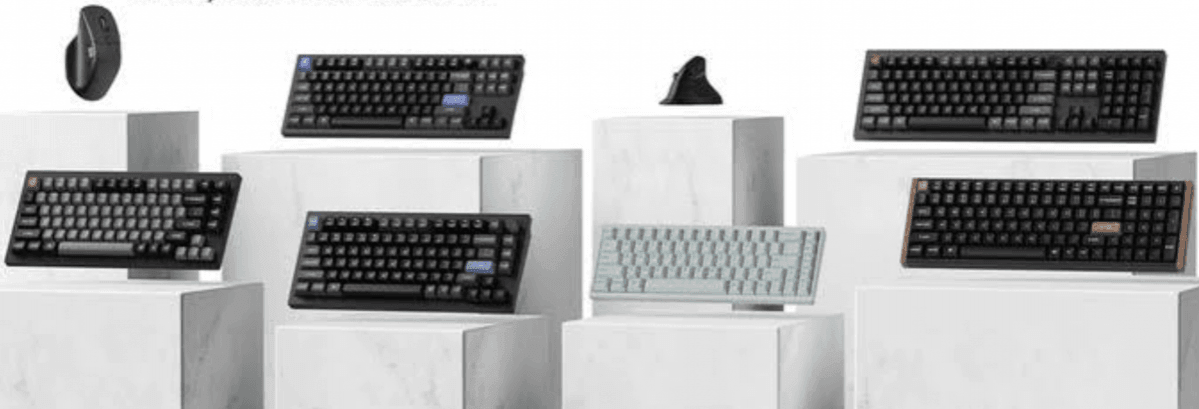
Keychron's Ultra Series mechanical keyboards introduced the first mass-produced keyboards running ZMK firmware, bringing open-source customization into mainstream hardware.
Key highlights:
- Up to 660 hours of battery life
- 8K polling in wired and wireless modes
- New Silk POM switches for better acoustics
- Premium design with multifunction knobs
Why it matters: Input devices are evolving too—toward personalization, efficiency, and professional-grade responsiveness.
Noise Master Buds 2: Premium audio, smarter tuning
Noise unveiled Master Buds 2 with Sound by Bose technology, signaling India's consumer electronics brands pushing into premium global categories.
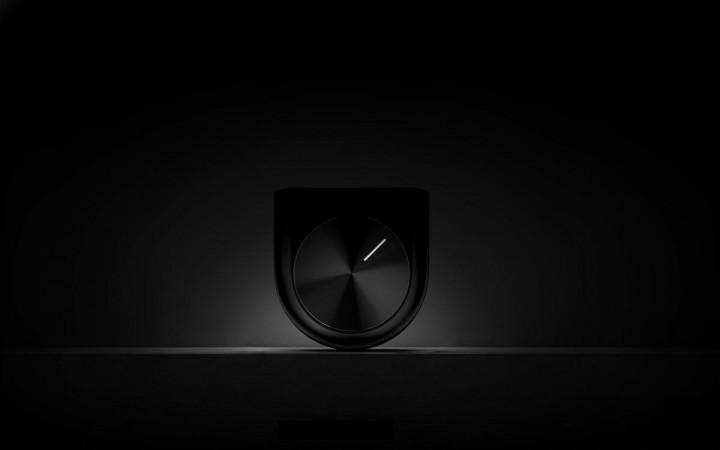
With improved acoustics, spatial precision, and intelligent tuning, the Master Buds 2 target users who want premium sound without premium pricing barriers.
Why it matters: Audio is shifting from commodity hardware to experience-driven design, even in emerging markets.
What CES 2026 really told us
CES 2026 wasn't about foldables, holograms, or futuristic gimmicks. It was about:
- On-device AI becoming standard
- Edge computing replacing cloud dependency
- Creator-first hardware
- More specialized, purpose-built devices
- Better integration between hardware, software, and services
Instead of one single breakthrough, CES 2026 showed a collective shift: technology is becoming more personal, more local, more intelligent, and more context-aware.
And that's what will shape the next decade of consumer tech.