It's the festive time for Muslims around the world as they prepare for Ramadan. This year, the holiest month in the Islamic calendar comes a bit earlier than last year in the Gregorian calendar. This is because the Islamic calendar is based on lunar cycles, which is 11-12 days shorter than the solar one. That said, Ramadan 2026 dates are in and most part of the world will observe the first fast on Wednesday.
As mentioned, Islamic calendar is based on lunar cycles, so the commencement of Ramadan will be announced officially after the sighting of the crescent moon. Moonsighting preparations are already underway in Saudi Arabia, and a confirmation will be made shortly.
Preparations in Tumair to sight the #Ramadan moon! pic.twitter.com/wGj5AtiQKK
— ???????? (@HaramainInfo) February 17, 2026
Once the crescent is sighted, Ramadan will be declared in Saudi Arabia and all the other western countries, including the UK, US, Europe and the rest. But the rest of the world, especially in the sub-continent, Ramadan will commence a day later, which is when the crescent will be sighted.
With that, countries like India, Pakistan, Bangladesh and other neighbouring ones will observe the first fast on Thursday, following the sighting of the crescent on Wednesday.
How do Muslims celebrate Ramadan?
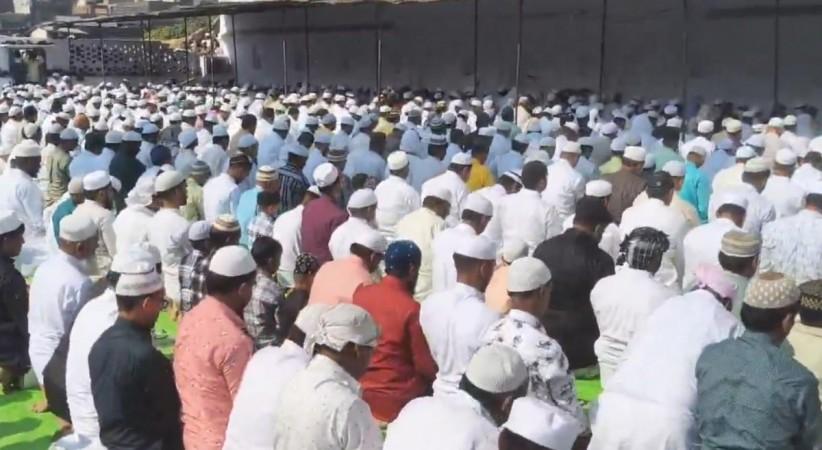
Ramadan (Ramzan) is the holiest month in the Islamic calendar, during which Muslims observe fasts from dawn to dusk for a whole month. During this month, Muslims refrain themselves from worldly affairs to the maximum extent, and dedicate strictly to Islamic practices, such as praying five times a day, giving charity, helping the poor, reciting the Holy book of Quran, night prayers and observing I'tikaf (praying in isolation).
What is Sehri (Suhoor) and Iftar?
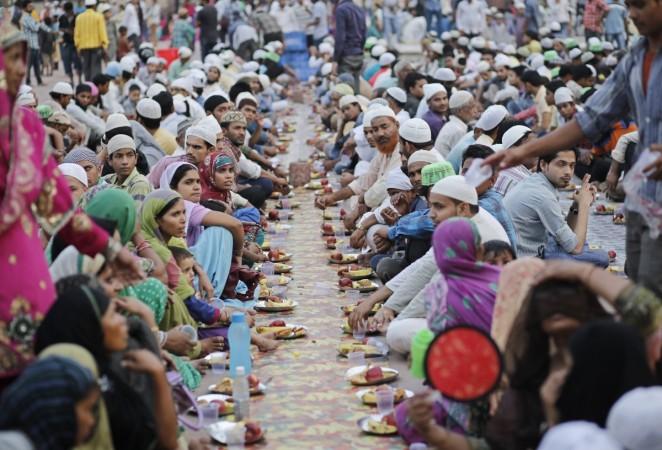
There's a popular misconception that Muslims fast the entire month without eating, but that's not entirely true. The fasting is only done during the day, which is from dawn to dusk. Muslims wake up early at around 4AM for pre-dawn meal known as Suhoor (sehri). Post the morning prayers of Fajr, an obligatory prayer before the sunrise, the fasting begins. Muslims then refrain from all forms of eatables, including water, and prevents sexual relations until Iftaar, which is a meal to break the fast at sunset. Depending on the geographical location, the duration of the fasts can wary where some countries have longer nights and shorter days. But that doesn't impact the validity of the fast.
Why do Muslims fast in Ramadan?
Muslims observe mandatory fasting in the month of Ramadan to attain piety or closeness to God. This religious act develops qualities like emphasising with the poor and self-discipline. All able Muslims must fast, unless the act endangers their life due to illness, or if a women is in her menses.
At the end of the month, Muslims celebrate Eid, known as Eid al-Fitr, which is the day God promises unmatched reward for pious Muslims who fasted, prayed, and abstained form all evil and sins, for the sake of God. This is the month of generosity, hence Muslims are seen helping their relatives and poor generously.