
Former Royal Challengers Bangalore owner and businessman Vijay Mallya has hit back at the 'bhagoda' tag and denied claims that he is refusing to return to India, saying he is legally prohibited from leaving the United Kingdom.
Mallya took to social media to address the criticism surrounding his long-running extradition case. In a post on X, he said he has been a permanent resident of the UK since 1992 and claimed that his continued stay in the country was not a matter of choice.
"For all who say I am a bhagoda refusing to come to India, please be aware that I have been a permanent resident of the United Kingdom since 1992 and am currently legally prohibited from leaving this country," Mallya said.
He further alleged that the situation began with what he described as "poster boy actions" by the Government of India, which he claimed had been "grossly unjust" in his case.
Vijay Mallya on extradition case
Mallya has been facing extradition proceedings in the UK since India sought his return in connection with the Kingfisher Airlines loan case. He left India in March 2016, after the airline faced severe financial problems and defaulted on loans of around Rs 9,000 crore owed to a consortium of banks.
A UK court had earlier ruled in favour of his extradition to India, but his return has remained stalled amid ongoing legal proceedings in Britain. Mallya was arrested in London in April 2017 and was released on bail subject to conditions, including restrictions on leaving the UK.
Mallya has consistently rejected the suggestion that he deliberately fled India and has continued to challenge the legal proceedings against him.
Vijay Mallya on UK restrictions
Mallya has previously made a similar argument before the Bombay High Court. In February 2026, he told the court that English courts had barred him from leaving England and Wales or applying for or possessing an international travel document.
The Bombay High Court, however, said Mallya would need to return to India and submit himself to the jurisdiction of Indian courts if he wanted to pursue his challenge against proceedings under the Fugitive Economic Offenders Act, 2018.
Mallya is challenging proceedings declaring him a fugitive economic offender as well as aspects of the Fugitive Economic Offenders Act.
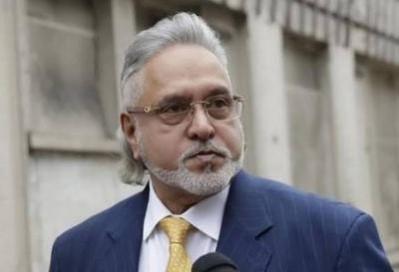
Mallya claims ₹14,131 crore recovered
In another post, Mallya cited an affidavit purportedly filed by the Enforcement Directorate before the Bombay High Court and claimed that ₹14,131.60 crore had been recovered from him.
Mallya questioned why he continued to be described as a fraudster despite the money recovered from his assets. He argued that the recovery figure was substantially higher than the judgment debt he referred to and also questioned when he would receive any refund, according to his claims.
He further claimed that the ED had released more than ₹350 crore from his attached funds to pay Kingfisher employees.
In August, Mallya had similarly claimed that banks and the government had recovered around ₹14,100 crore from him against a judgment debt of ₹6,203 crore.
Vijay Mallya's extradition case
Mallya left India in March 2016 amid mounting legal pressure over loans taken by his now-defunct Kingfisher Airlines. The CBI had registered cases relating to loans taken by the airline from a consortium of banks.
Proceedings were subsequently initiated against him under the Fugitive Economic Offenders Act after it came into force in 2018.
The Indian government has sought Mallya's extradition from the UK. The UK Home Secretary approved his extradition to India in February 2019, but Mallya challenged the order. The UK High Court rejected his plea in February 2020 and later refused him leave to appeal to the UK Supreme Court.
The extradition process has remained subject to further legal proceedings in the UK, while the Indian government has maintained that fugitives wanted by Indian authorities must return and face the judicial process.
Mallya, meanwhile, continues to remain in the UK as his legal battle over extradition and his status in India continues.