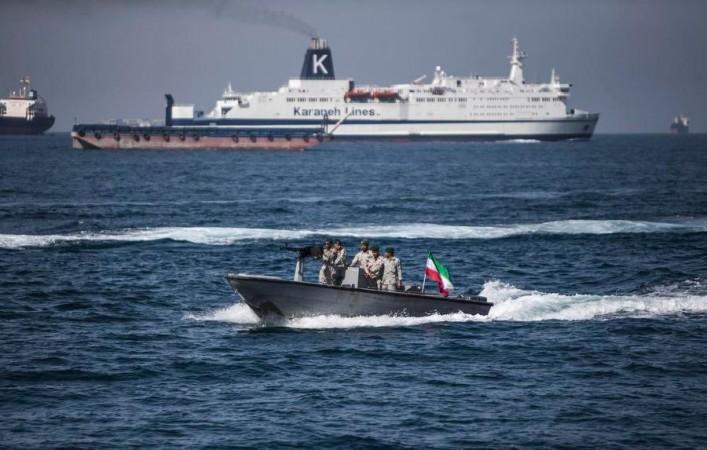
Iran's top security body has ordered the swift processing of requests from vessels seeking to pass through the Strait of Hormuz, following the signing of a memorandum of understanding (MoU) between Tehran and Washington aimed at easing tensions and restoring maritime trade.
Iran's Supreme National Security Council (SNSC) announced the directive in a statement carried by Iranian media hours after Iranian President Masoud Pezeshkian and US President Donald Trump electronically signed the agreement. Under the MoU, ships requesting passage through the Strait of Hormuz will not be charged transit fees for 60 days, with all related costs to be covered by the Iranian government.
The SNSC said vessels intending to transit the strategic waterway must submit requests to the Persian Gulf Strait Authority (PGSA). It added that, due to safety concerns and the need to prevent maritime accidents, ships would be required to follow designated routes and schedules. The council expressed confidence that maritime traffic through the strait would gradually increase, with technical details and implementation procedures to be announced by the PGSA.
Iran, the United States and Pakistan had earlier announced the finalisation of the MoU aimed at ending regional conflicts, including tensions involving Lebanon. The agreement was formally signed by Pezeshkian and Trump on Thursday.
Meanwhile, the Trump administration is preparing for what it describes as a critical phase in relations with Iran. US Vice President JD Vance said the next 60 days would determine whether the agreement evolves into a lasting settlement or collapses amid longstanding mistrust between the two countries.
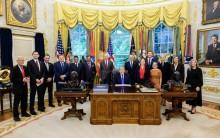
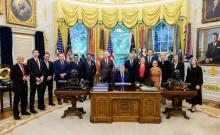
Speaking at the White House, Vance said the 60-day implementation period officially began on Thursday and stressed that any future economic benefits for Iran would depend on verified compliance rather than promises. He described the agreement as a framework for negotiations on Iran's nuclear programme, regional activities and broader relations with the international community.
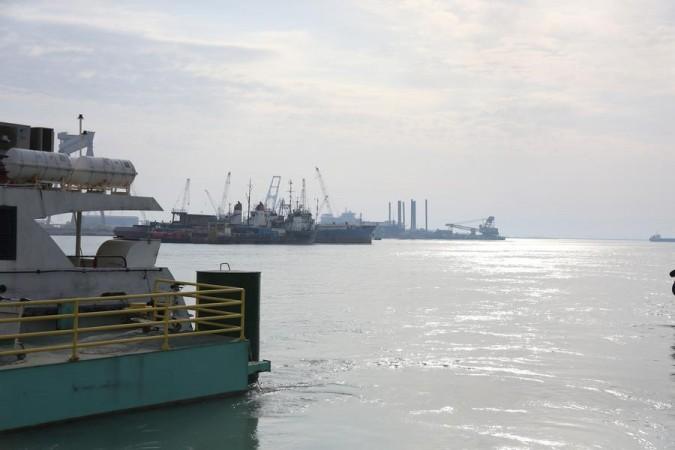
Separately, the US Central Command announced that American forces had lifted the blockade on all maritime traffic entering and leaving Iranian ports and coastal areas.
"American forces are not impeding the transit of vessels to or from Iranian ports. All US military blockade enforcement efforts have ceased," the command said in a statement on X.
The military added that US warships would remain in the region to ensure all aspects of the agreement were implemented and observed.
The move came a day after the United States signed the MoU with Iran. Speaking at the conclusion of the G7 summit in France, Trump said the agreement would prevent Iran from obtaining a nuclear weapon, reopen the Strait of Hormuz and create an opportunity for broader diplomatic engagement across the Middle East.
"On Sunday, we reached an agreement with Iran that achieves everything we set out to accomplish," Trump said. "Ending the current conflict, reopening the Strait of Hormuz and preventing Iran from obtaining a nuclear weapon."
Senior US officials later released the text of the 14-paragraph memorandum, which commits Iran not to procure or develop nuclear weapons, restores commercial shipping through the Strait of Hormuz and establishes a 60-day period for negotiating a final agreement.
The memorandum also links sanctions relief to Iranian compliance and provides for international oversight of Tehran's enriched nuclear material, setting the stage for further negotiations aimed at achieving a comprehensive and lasting settlement.