The United States has broadened its social media screening for visa applicants to include foreign journalists and certain professionals, requiring their social media profiles to be public as part of visa vetting procedures that already apply to H-1B workers and international students.
This new requirement, effective October 1, applies to I visas for foreign media representatives, TN visas for eligible Canadian and Mexican professionals, and TD visas for their dependents.
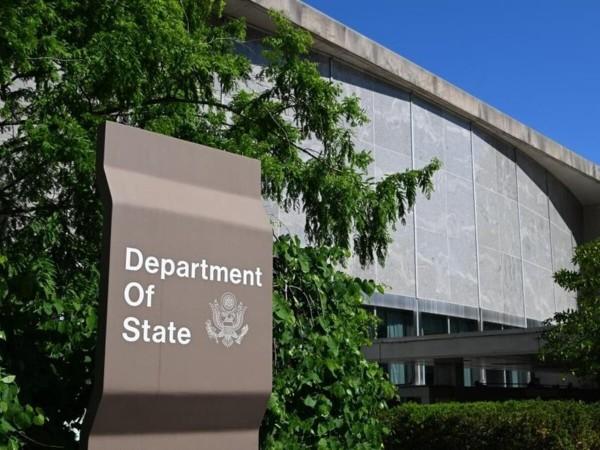
The expansion was announced last month by the State Department and formally took effect on Wednesday.
According to the State Department, all applicants for I, TD, and TN nonimmigrant visas must set their social media privacy settings to 'public' or 'open' to support this enhanced vetting process.
This is particularly impactful for foreign journalists travelling to the US for professional duties, as I-visa applicants are now explicitly included in the expanded online presence review.
measure adds to an extensive screening system impacting multiple visa categories commonly used by Indians travelling, studying, or working in the US.
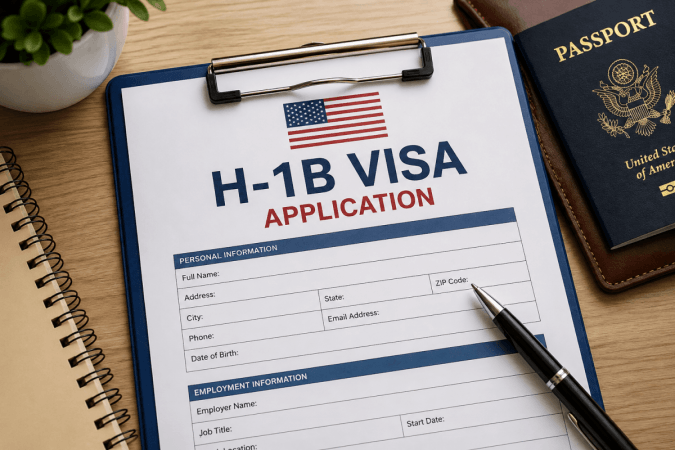
Online vetting was already mandatory for H-1B workers and their H-4 dependents, H-3 trainees, F-1 and M-1 students with their F-2 and M-2 dependents, J-1 and J-2 exchange visitors, among others.
Additional categories covered include diplomats, official visas, religious workers, international cultural exchange participants, and fiancé visas.
The State Department stated it uses all available information during visa applicant screening to determine eligibility for entry into the US.
It said, "The Department relies on every available source of information during visa screening and vetting to identify applicants who may be inadmissible to the United States, including those who pose a threat to national security or public safety."
"We apply this rigorous vetting standard consistently across all visa applicants," the department added.
The announcement did not specify how social media activities would be assessed or which posts might influence visa decisions.
However, requiring public social media access allows consular officials greater insight into applicants' online presence during visa processing.
The State Department described visa adjudication as a national security determination and stressed that applicants must prove their eligibility for the visa type sought.
It said, "Every visa adjudication is fundamentally a national security decision."
"The United States remains vigilant throughout the visa issuance process to confirm that applicants do not intend to cause harm to Americans or threaten US interests, and that each applicant can credibly demonstrate eligibility for the visa requested—including a genuine intent to abide by the terms of admission."
The department emphasized that obtaining a US visa is "a privilege granted at the government's discretion, not an entitlement."
This expansion reflects growing US authorities' use of social media for immigration and visa screening and now extends this scrutiny to more groups whose work frequently takes them to the US, including foreign media personnel.