
The government has clarified that the new Merchant Discount Rate (MDR) on select high-value UPI transactions will not be passed on to consumers. The charge will apply to eligible person-to-merchant (P2M) transactions above ₹2,000 from October 15, 2026, while person-to-person (P2P) UPI payments will continue to remain free.
Under the new framework, a 0.4% MDR will apply to eligible UPI merchant transactions above ₹2,000, subject to a maximum charge of ₹300 per transaction. Payments below ₹2,000 and transactions covered under the zero-MDR framework for small merchants will remain unaffected. The government has said around 96% of UPI merchant transactions will continue to remain free of MDR.
How will the MDR money be divided?
The MDR collected from eligible transactions will be distributed among different participants in the UPI ecosystem rather than going to the government.
According to the reported revenue-sharing structure, 40% will go to the customer's bank, 30% to the merchant's acquiring bank or payment gateway, 20% to the UPI app and the remaining 10% to the sponsoring bank.
For example, if a customer makes a qualifying ₹10,000 UPI payment, the 0.4% MDR would amount to ₹40. Of this, ₹16 would go to the customer's bank, ₹12 to the merchant's acquiring bank, ₹8 to the UPI app and ₹4 to the sponsoring bank.
The new system is designed to create a revenue stream for participants that operate and support the UPI ecosystem, including banks and payment application providers. The government has clarified that MDR is not a tax, cess or surcharge, and that the money collected will remain within the payments ecosystem.
Consumers will not be charged
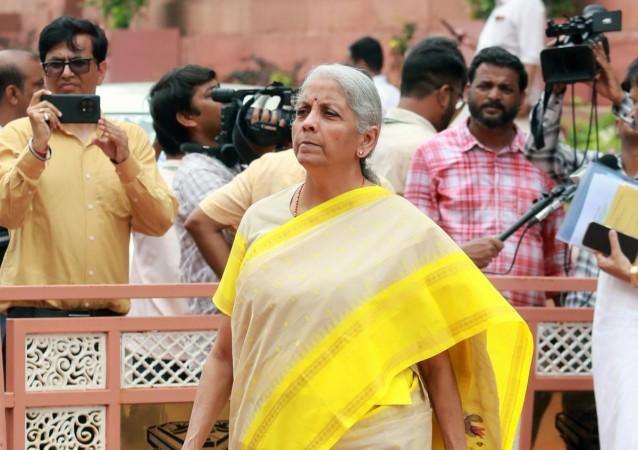
The government has repeatedly clarified that consumers will not have to pay an additional fee for making eligible UPI payments. Banks and payment ecosystem participants have also been asked to ensure that the MDR is not passed on to customers.
The new framework therefore changes the way certain merchant UPI transactions are monetised, while keeping regular consumer payments free. P2P transactions will remain free irrespective of the amount transferred.
The revised MDR framework will come into effect from October 15, 2026.
ALSO Read:
No UPI Day on October 2: Why traders are protesting and what happens to UPI QR codes across India
UPI vs debit vs credit card: Which payment method costs merchants the most and why?