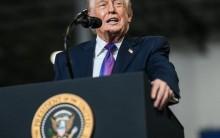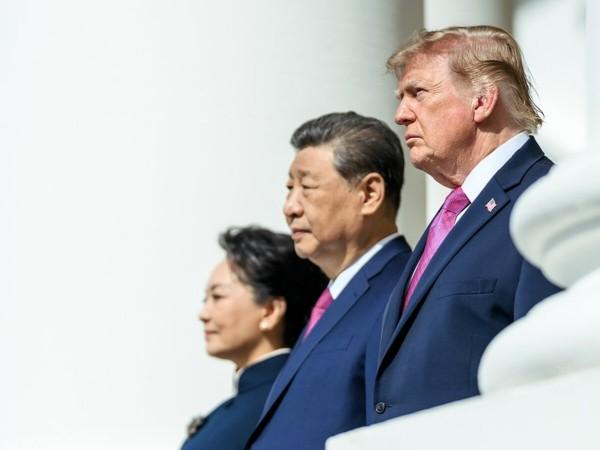
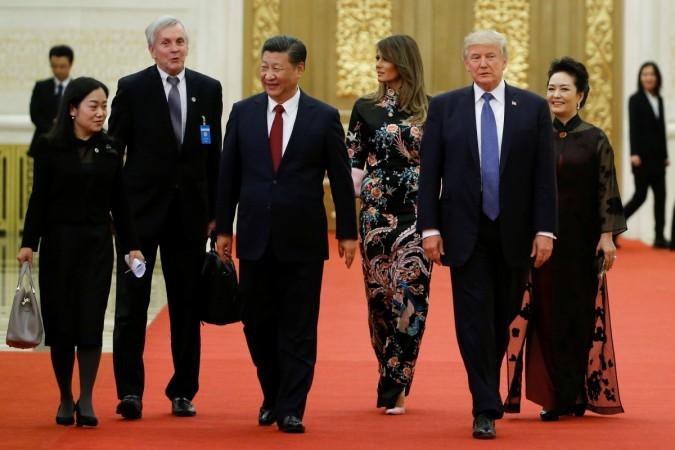
The recent summit in Washington, DC, between Chinese President Xi Jinping and US President Donald Trump resulted in modest progress in US-China relations but did not resolve fundamental disputes, according to a report by Japan Forward.
Both sides agreed to extend their existing trade truce, providing additional time for negotiations. However, the summit revealed no clear path toward a wider political agreement. Concerns over maritime security in the Indo-Pacific, particularly China's actions in the South China Sea and around Taiwan, were notably absent from the discussions.
While Washington and Beijing focus on managing their bilateral ties, many Asian countries are more concerned about how this relationship affects their security and economic decisions.
The report described the current US-China relationship as a "period of controlled instability rather than a genuine rapprochement," crediting both governments with preventing a return to the most damaging phases of their trade conflict.
Several earlier commitments remain unfulfilled. China has fallen short of its $30 billion target for purchasing American agricultural goods and has yet to procure the 200 Boeing aircraft it promised. Progress on establishing a bilateral Board of Investment has also been slow due to ongoing national security suspicions.
leadership in rare-earth mineral processing gives it strategic control over vital minerals with the ability to disrupt global supply chains. The report notes that Beijing's leverage remains strong because other countries lack sufficient alternative processing capacity.
Past Chinese export restrictions on rare earths have already impacted manufacturers in the United States, Japan, and Europe. Nations such as Japan, India, South Korea, and Australia have responded by diversifying supply chains to reduce dependence on a single source, recognising the risks during geopolitical tensions.
Though a US-China agreement on rare earth minerals could lessen immediate uncertainties, the incentive for countries to explore and develop alternative sources is expected to remain strong, according to the report.