
US President Donald Trump has waived several Russia-related sanctions, restrictions and tariff measures that threatened to impose duties of up to 100 per cent on India and other major buyers of Russian oil and gas. The decision, announced through an executive order on October 16, comes just days before key provisions of the legislation were due to take effect.
Trump said the waiver was in the national interest of the United States, formally certifying his decision to Congress. The move offers potential relief to India and China, two of the world's major importers of Russian energy, amid concerns that the proposed measures could affect trade relations and global energy markets.
The measures were part of the Lindsey O. Graham Sanctioning Russia and Iran Act of 2026, which Trump signed into law in September. The legislation was designed to increase economic pressure on Moscow over its invasion of Ukraine and authorised steep tariffs on countries continuing to purchase Russian crude oil and natural gas.
What did Trump's executive order say?
In the executive order issued on Friday, Trump invoked a provision of the law that allows the US president to waive certain sanctions, restrictions and duties if he determines that doing so serves the country's national interests.
The order suspends specified sanctions and tariff provisions under the legislation. The waiver will remain in force until Trump or authorised senior officials determine that further action is appropriate.
However, the decision does not mean that all existing US sanctions against Russia have been lifted. The executive order specifies that certain measures imposed under earlier executive orders targeting Russia will remain unaffected.
How Could The Decision Benefit India?
India was among the countries facing the prospect of additional US tariffs because of its purchases of Russian crude oil. Under the legislation, tariffs of up to 100 per cent could have been imposed on goods entering the US from the five largest importers of Russian oil and gas, subject to the law's conditions and exceptions.
The potential duties had raised concerns in New Delhi about their impact on bilateral trade and economic ties with Washington. India has maintained that its energy procurement decisions are guided by national energy security requirements, market conditions and the need to ensure affordable supplies.
The waiver could ease the immediate threat of these additional duties and give India greater room to manage its energy imports. China, another major buyer of Russian oil, could also benefit from the decision.
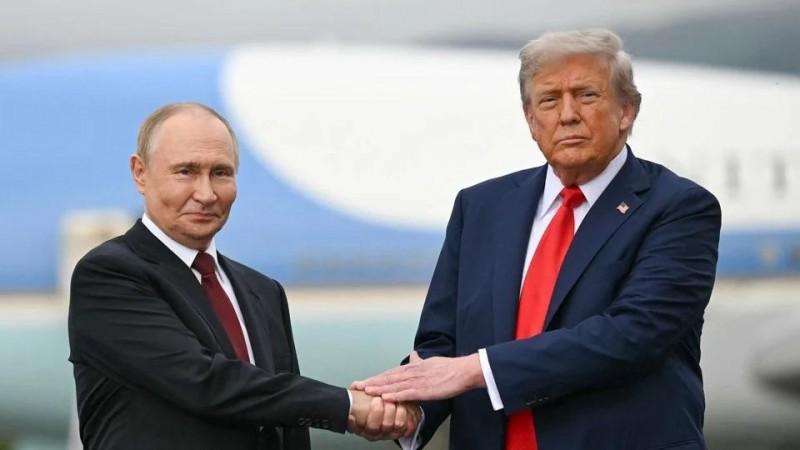
Nevertheless, the move does not automatically resolve every trade issue between India and the US, and the administration retains the authority to reconsider the waived measures.
Why did the US introduce the Sanctions Bill?
The legislation sought to intensify pressure on Russia over its war against Ukraine, which began in February 2022. It also aimed to discourage countries from continuing substantial purchases of Russian energy and from helping Moscow evade international sanctions.
The bill provided for tariffs of up to 100 per cent on goods from major Russian oil and gas buyers under specified circumstances. It also authorised additional sanctions and restrictions targeting individuals and entities connected to Russia.
The law included a provision allowing the president to waive its measures after certifying to Congress that such action was in the national interest.
Concerns over Energy Prices and US-Russia relations
Trump's decision comes amid concerns that tougher restrictions on major buyers of Russian energy could further disrupt global oil supplies and push prices higher. The potential impact on energy costs has become a significant consideration for governments and markets.
The move has also drawn criticism from some US lawmakers, who argue that relaxing pressure on Moscow could undermine Washington's efforts to hold Russia accountable for its invasion of Ukraine.
The waiver therefore represents a significant development in the US approach to sanctions against Russia, while leaving open the possibility of further action. For India, the immediate significance is the easing of the threat posed by the proposed additional tariffs, although the broader trade and energy relationship with the US remains subject to future policy decisions.