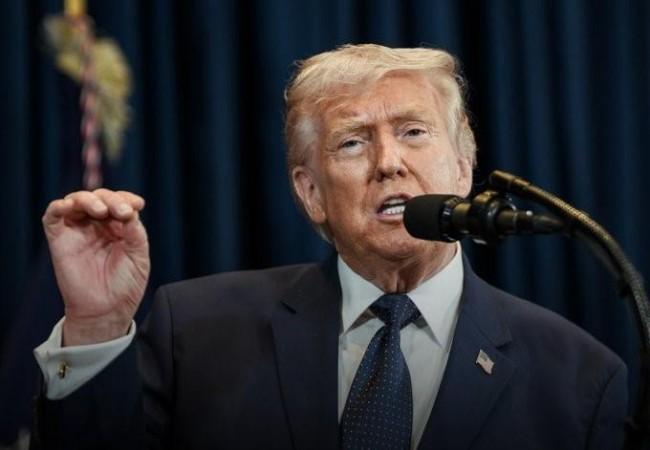
Diplomatic efforts to end the ongoing Iran conflict intensified on Sunday as US President Donald Trump claimed that a peace agreement with Iran was "largely negotiated", with final discussions focused on reopening the Strait of Hormuz and securing a broader ceasefire framework.
According to reports, Pakistan is expected to play a key mediation role in the next phase of negotiations. Pakistan Prime Minister Shehbaz Sharif said Islamabad hoped to host another round of US-Iran peace talks "very soon" after earlier discussions in April failed to produce a breakthrough.
The proposed agreement reportedly includes reopening the strategically critical Strait of Hormuz, easing restrictions on Iranian oil exports, and implementing a temporary ceasefire while negotiations continue over Iran's nuclear programme. However, Tehran has maintained that its nuclear programme will not be discussed immediately and insists on retaining control over the Strait.
The conflict began on February 28 after joint US-Israeli strikes targeted Iranian military and nuclear infrastructure, triggering retaliatory attacks by Tehran and escalating tensions across the Middle East. Since then, the region has witnessed missile strikes, naval confrontations and global concerns over oil supply disruptions.
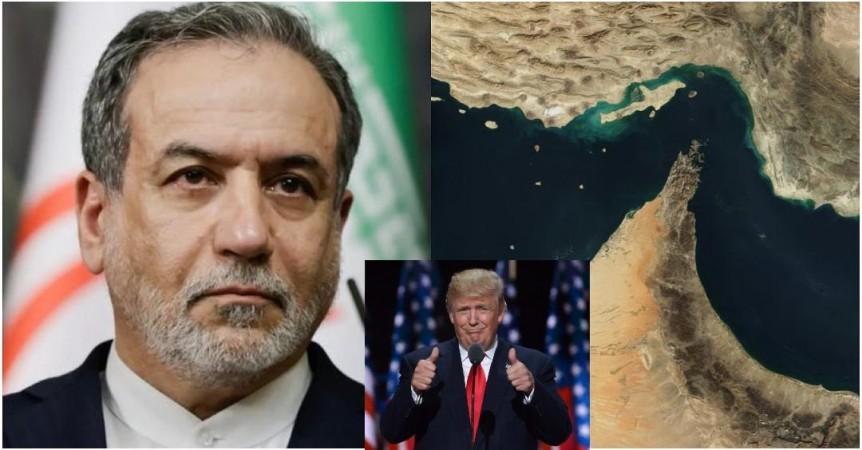
Despite the diplomatic momentum, military tensions remain high. US Vice President JD Vance recently warned that Washington remains "locked and loaded" to restart military operations if negotiations collapse, while Iran warned that renewed attacks could open "new fronts" in the region.
Meanwhile, intelligence assessments cited in a CNN report claimed Iran has rebuilt parts of its military-industrial and drone production network faster than expected during the ceasefire period.
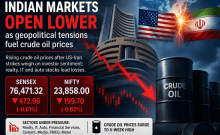
The war has also triggered global protests, economic uncertainty and rising energy concerns, particularly due to instability around the Strait of Hormuz — a vital route for global oil shipments. Analysts say the coming days could determine whether the region moves toward de-escalation or renewed conflict.