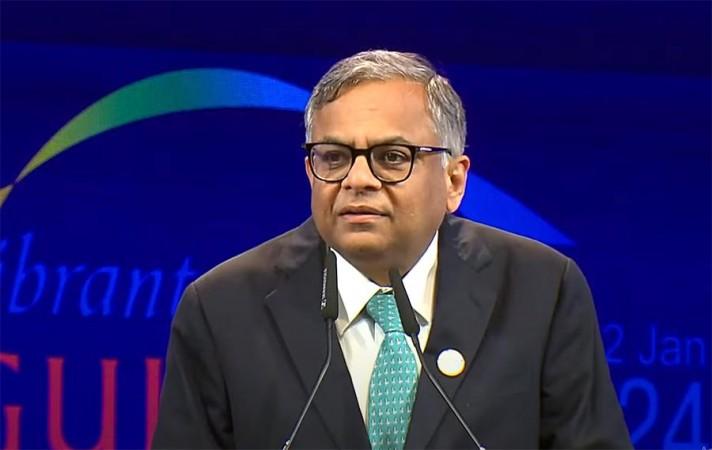
The leadership dispute at Tata Sons has intensified after Tata Trusts challenged the validity of the company board's decision to reappoint N Chandrasekaran as executive chairman for another five-year term.
The Tata Sons board on September 17 backed Chandrasekaran's reappointment in a 4-1 vote after he agreed to reconsider his earlier decision not to seek another term. His current tenure ends on February 20, 2027. Noel Tata, chairman of Tata Trusts and one of its two nominee directors on the Tata Sons board, was the sole director to oppose the resolution.
Why Tata Trusts is challenging the decision
Tata Trusts has argued that the board's majority vote does not by itself make the resolution valid. According to the Trusts, Tata Sons' Articles of Association require affirmative support from a majority of directors nominated by Tata Trusts for decisions relating to the appointment or reappointment of the chairman.
The Trusts has therefore maintained that Chandrasekaran's reappointment is legally invalid. It has also said that his August 12 decision not to seek another term had already been accepted and that a succession process should have continued.
The Trusts collectively owns around 66% of Tata Sons, giving it significant influence over the holding company. The dispute could now move beyond the boardroom and into legal and shareholder proceedings.
Listing of Tata Sons adds to the dispute
The leadership disagreement comes alongside another major issue — the possible listing of Tata Sons.
The board has decided to move ahead with steps related to a potential public listing, while Tata Trusts has opposed the move and wants alternatives to be examined. The listing issue has gained urgency after the Reserve Bank of India rejected Tata Sons' attempt to surrender its registration as a core investment company. Tata Sons was classified as an upper-layer NBFC in 2022, a status that carries listing-related regulatory requirements.
The Shapoorji Pallonji Group, which holds an 18.37% stake in Tata Sons, is also an important stakeholder in the listing debate. A public listing could provide a market route for the stake, which has remained difficult to monetise while Tata Sons is unlisted.
What happens next
The immediate questions are whether Tata Trusts will pursue legal action against the reappointment, how the Articles of Association will be interpreted and whether Chandrasekaran's new five-year term will receive the necessary shareholder approvals.
The dispute has consequently expanded beyond a question of succession to broader issues involving corporate governance, shareholder rights and the future structure of Tata Sons.