The planned technical talks between the United States and Iran have been postponed, Switzerland's Foreign Ministry confirmed on Thursday, while emphasising that preparations for the negotiations are continuing.
Responding to an email from ANI, the ministry said the planned talks involving the US, Iran, Qatar and Pakistan had been delayed, but Switzerland remained ready to facilitate the discussions.
"The planned talks between the US, Iran, Qatar and Pakistan have been postponed. Switzerland remains ready to facilitate these talks. The relevant preparatory work at Burgenstock is continuing. No further information can be provided at present," the ministry said.
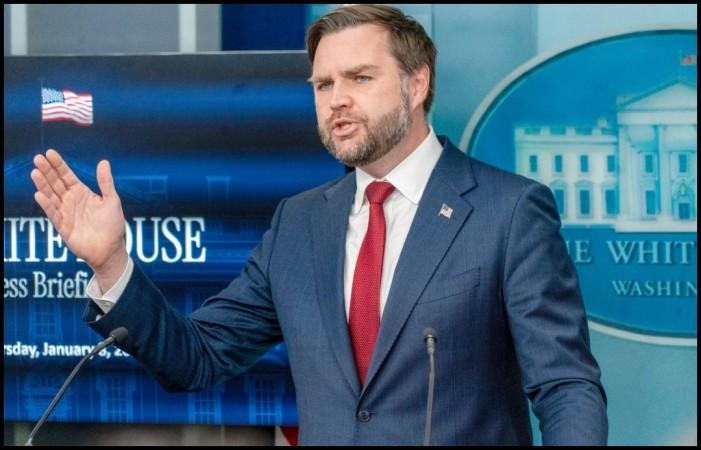
The confirmation came as the White House announced that US Vice President JD Vance would not travel to Switzerland as originally expected because logistical arrangements for the negotiations had not yet been finalised.
"As the Vice President said at his press conference, the plans for the upcoming technical talks have not been finalised, and the US delegation has been prepared to depart at the first available opportunity," a White House spokesperson said.
"But the logistics of these negotiations have never been simple or predictable."
The spokesperson added that Vance would not depart on Thursday night but stressed that Washington remained committed to beginning the talks as soon as possible.
Earlier in the day, Vance said technical discussions were still expected to begin within days and would likely take place in Switzerland. He acknowledged difficulties in coordinating schedules and travel arrangements with Iranian officials.
"Our plan is to go to Switzerland. I don't know exactly when," Vance told reporters. "That could change because it's not an easy country, Iran, to get out of and so we're trying to figure out exactly when that's going to happen."
Asked whether he would travel immediately, Vance replied: "I may, it just depends on exactly when the Iranians can get there. We're trying to figure that out as we speak."
Vance said he expects to lead the American delegation during the negotiations, which are expected to focus on implementation, verification and compliance measures under the recently signed memorandum of understanding (MoU) between Washington and Tehran.
Among the key issues expected to dominate the talks are inspection procedures, verification mechanisms and the handling of Iran's enriched uranium stockpile.
"How do you destroy this highly-enriched uranium — all that stuff that you really just have to get into the nitty gritty on," Vance said.
The vice president reiterated that the administration's approach would be based on verification rather than trust.
"We don't trust words. We trust action and we trust conduct," he said.
Vance also highlighted what he described as early positive outcomes from the agreement, noting that 12.5 million barrels of oil passed through the Strait of Hormuz after the US and Iranian presidents signed a peace plan aimed at ending the conflict.
"The president's peace plan in Iran is already bearing real fruits for the American people," Vance said. "Last night, 12.5 million barrels of oil went through the Strait of Hormuz. Oil prices are down nearly to their pre-conflict levels, and gas prices have also started falling."
The discussions are expected to take place during a 60-day implementation period outlined in the agreement, which Vance said officially began on Thursday.
Meanwhile, regional tensions remain high. According to reports by i24 News, the Israel Defence Forces carried out strikes on Hezbollah targets and infrastructure in Lebanon after rockets and explosive drones were launched at Israeli forces.
Despite the delay in Switzerland, US officials insist that negotiations remain on track, with both Washington and Tehran continuing efforts to begin technical talks at the earliest opportunity.