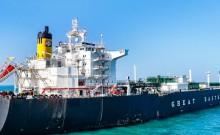
Vessel traffic through the Strait of Hormuz remained subdued between July 10 and July 12 as escalating security concerns continued to impact one of the world's most important energy shipping routes, according to a report by S&P Global.
A total of 73 vessels crossed the strategic waterway during the three-day period, averaging fewer than 25 crossings per day.
The reduced activity highlights the impact of rising geopolitical risks and uncertainty among shipping operators.
Traffic fell sharply on July 12 after Iran announced the closure of the strait, with the Persian Gulf Strait Authority stating that passage was not possible due to what it described as recent "illegal movements of US military forces" in the region.
Only 11 vessels crossed the waterway that day, marking the lowest daily transit level since June 14. It was also the first day since June 12 when no inbound crossings were recorded.
Of the vessels that crossed, six were assessed as compliant with safety and security requirements.
The Western-led Joint Maritime Information Center (JMIC) maintained that the regional threat level remained severe. However, it said the southern shipping route remained available and had been expanded to support two-way vessel movement despite the heightened tensions.
Transit numbers stood at 32 vessels on July 10 and 30 vessels on July 11. Energy-related carriers, including oil tankers, chemical tankers, LPG vessels and LNG carriers, accounted for around 48% of total crossings during the three-day period.
Among these energy carriers, nearly two-thirds were classified as compliant vessels, although only 10 compliant energy ships entered the Gulf region.
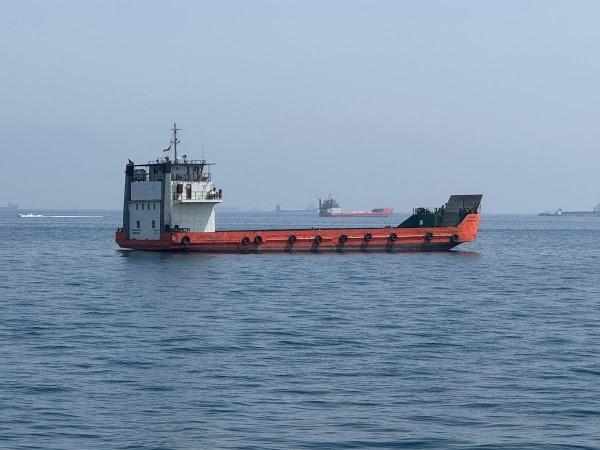
The report noted that several inbound movements occurred without visible Automatic Identification System (AIS) signals, making vessel tracking more difficult.
Iran-linked and US-sanctioned vessels continued to represent a significant portion of activity, accounting for nearly 60% of all crossings during the period.
The Strait of Hormuz remains a critical global energy route, handling a substantial share of global oil and gas shipments.
Continued disruptions in vessel movement have raised concerns over potential impacts on energy supplies and shipping costs as tensions in the region remain elevated.