
The row over Vande Mataram refuses to die down, after the hue and cry by Congress over Vande Mataram being played during Independence Day, and many celebs talking about only including the first two stanzas while singing or playing it in public has stirred the controversy.
Joining the bandwagon is veteran actor-producer Mukesh Khanna, who has once again sparked a debate over India's national anthem. The actor has called for "Vande Mataram" to replace "Jana Gana Mana" as the country's national anthem, while reiterating his controversial claim about the origins and meaning of the current anthem.
Speaking to news agency ANI, Mukesh said that the ongoing debate around "Vande Mataram" was unnecessary. He also stood by his earlier remarks that "Jana Gana Mana" was written during British rule and referred to a British ruler.
"Vande Mataram has been unnecessarily turned into a controversy. My comments about Jana Gana Mana have gone viral. But I reiterate that it cannot be my national anthem. It was written during the British era, when George Pancham (George V, the former king of the United Kingdom) was there, and India was under British rule. The words 'Jana Gana Mana Adhinayak' refer to the ruler and describe him as the one who determines India's destiny," Mukesh Khanna claimed.
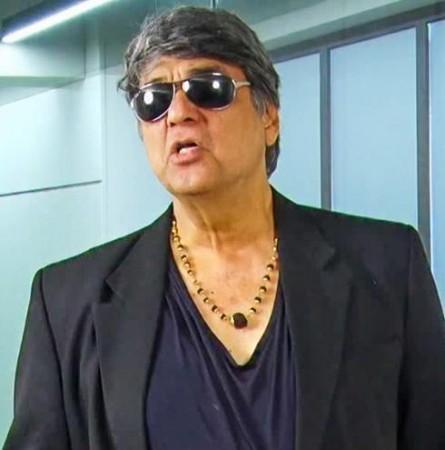
Explaining his stance further, the actor questioned the literal interpretation of the lyrics and argued that "Vande Mataram" should have greater national importance because of its focus on the motherland.
"If we consider the literal meaning of these verses, it raises questions about whom the song is addressing. I believe Vande Mataram, which expresses devotion to the motherland, should be given greater national significance. We lived under British rule for many years, and even after independence, we continue to value English education more. India has its own rich traditions of education," he added.
This is not the first time Mukesh Khanna has questioned the status of "Jana Gana Mana". In an earlier interview with IANS, he had claimed that the song was written as a tribute to Queen Elizabeth.
"I said this three years ago: 'Vande Mataram' should be made a national anthem. 'Jana Gana Mana' is not the national anthem of our country. It was a tribute to Queen Elizabeth. Rabindranath Tagore wrote the song in praise of her," he told IANS.
His remarks have faced criticism on social media, with several people pointing out the historical timeline surrounding the song. Critics noted that Queen Elizabeth II was born in 1926, while "Jana Gana Mana" is believed to have been first performed in 1911.





![Is CJP's Saurav Das dating his lawyer Ratna Singh? Internet thinks so [Pics]](https://data1.ibtimes.co.in/en/full/840108/cjps-saurav-das-dating-his-lawyer-ratna-singh-internet-thinks-so-pics.jpg?w=220&h=138)