
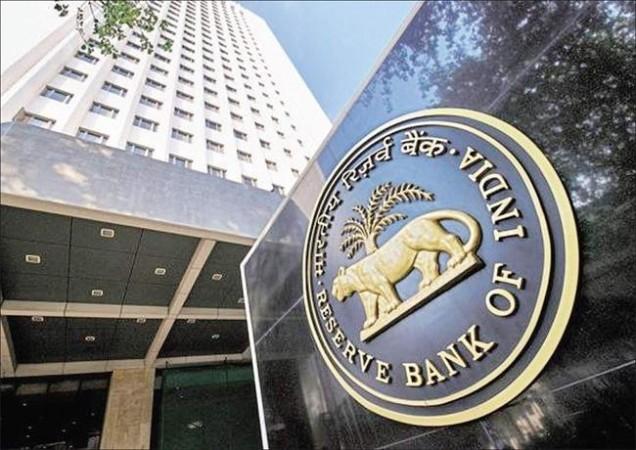
India's economy remained resilient in April despite growing global uncertainties linked to the West Asia conflict, according to the latest monthly bulletin released by the Reserve Bank of India. The central bank said industrial and services activity continued to show strength across several sectors, while early Q4 results of listed private non-financial companies reflected double-digit growth in aggregate sales and operating profits compared to the previous quarter.
The bulletin highlighted that the agriculture sector benefited from above-normal pre-monsoon rainfall and adequate reservoir storage, supporting rapid summer sowing. However, risks remain from unseasonal rainfall and rising minimum temperatures that could affect the harvesting of remaining rabi crops. Public foodgrain stocks also remain comfortably above buffer norms, ensuring food security.
On the external front, net foreign direct investment stayed positive for the second straight month in March, although foreign portfolio investors continued to remain net sellers in April and May, albeit at a slower pace. Retail inflation rose to 3.5 per cent in April, mainly due to higher food prices, while core inflation remained stable, indicating limited pass-through of input costs so far.
The RBI noted that the ongoing conflict in West Asia continues to pressure commodity markets, supply chains and global trade flows, adding volatility to financial markets. Still, India has entered this uncertain phase from a position of macroeconomic strength, with domestic demand remaining the primary driver of growth.
Amid concerns over the rupee's sharp decline and rising crude oil prices, the RBI is reportedly unlikely to aggressively raise interest rates solely to defend the currency, according to a Reuters report citing sources familiar with the central bank's thinking. Instead, policymakers are expected to prioritise inflation management and broader economic stability.
The report said the RBI believes inflation — rather than the rupee's exchange rate — should guide monetary policy decisions. Although the rupee has weakened significantly against the US dollar due to the global oil shock triggered by the Iran conflict, inflation remains within the RBI's 2-6 per cent tolerance band. Consumer price inflation stood at 3.48 per cent in April, though officials expect it could move closer to 5 per cent because of rising imported inflation pressures from expensive crude oil.
Sources quoted in the report suggested that sharp rate hikes could hurt economic growth without substantially stabilising the rupee. Instead, the RBI is likely to rely on alternative tools such as dollar sales, liquidity measures, tax changes for debt investors and special deposit schemes for NRIs to manage currency volatility.

Markets, however, continue to price in the possibility of future rate hikes. Interest-rate swap markets currently expect at least 40 basis points of hikes over the next three months and more than 100 basis points over the next year. Several global institutions, including Standard Chartered, have also projected rate hikes amid concerns over inflation and the weakening rupee.
The rupee has remained under pressure as crude oil prices surged above $100 per barrel during the Iran conflict. The currency recently touched a record low near 96.96 against the US dollar after losing around 2.5 per cent over a nine-day losing streak. Since the conflict began in late February, the rupee has weakened nearly 6 per cent.
Despite concerns over the symbolic Rs 100-per-dollar mark, several economists have argued that policymakers should focus more on inflation, employment and economic growth. Former IMF Deputy Managing Director Gita Gopinath recently said the actual exchange-rate level matters less than its broader impact on jobs, inflation and output. Former NITI Aayog Vice Chairman Arvind Panagariya has similarly cautioned against obsessing over the rupee crossing the 100 mark.