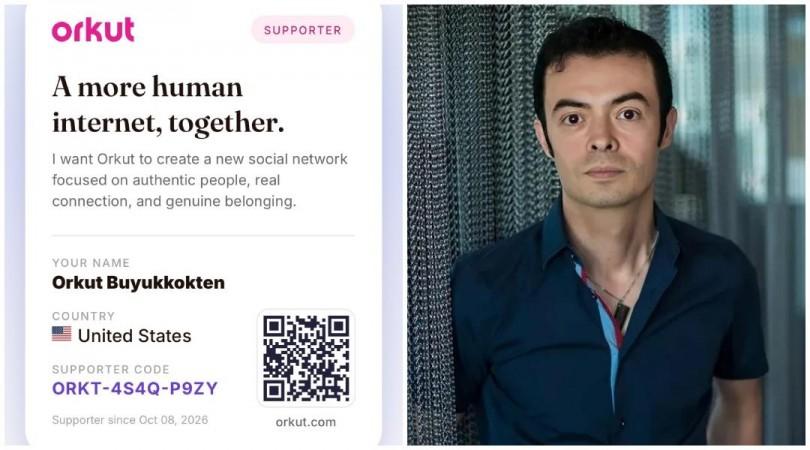
Before Instagram Stories, endless Reels and algorithm-curated feeds, there was Orkut, where friendships were built through scraps, testimonials and communities dedicated to everything from college life to hating Mondays. More than a decade after Google shut it down, its founder is betting that people still want that version of the internet back. So far, over 2.66 lakh people have signed up to express their interest.
Orkut Büyükkökten, the Turkish engineer who created the social network in 2004, is running a public campaign to gauge demand for a new platform centred on communities and genuine human connections. The website, orkut.com, showed 266,119 signatures across 119 countries at the time of publishing, with 1,631 people signing up in the preceding hour.
In an open letter on the website, Büyükkökten argued that social media has strayed from its original purpose. Platforms, he said, have spent two decades prioritising attention and engagement over meaningful relationships. The rise of artificial intelligence further threatens the premise that made social networking special: the knowledge that there is a real person on the other side.
"Social media should help us find our people," the campaign website says, asking users to support a more human internet built around "people, communities, and genuine connection".
The internet should help us find our people. Friendship. Community. A place to belong. Help me bring Orkut back in that spirit. Add your name at https://t.co/FO48fJMjEq and share your supporter card with someone you want to bring along. Love, Orkut https://t.co/zesE18Y3Fd
— Orkut Buyukkokten (@orkut) October 8, 2026
In an X post, Büyükkökten asked for the public's support to bring back the old-fashioned social media platform.
"Help me bring Orkut back in that spirit. Add your name at orkut.com and share your supporter card with someone you want to bring along," he wrote.
How would the new Orkut work?
The proposed network would put communities at the centre of the experience. Recalling the old Orkut, Büyükkökten points to groups formed around shared interests and everyday experiences. His argument is that social media feeds turn users into an audience, while communities give them a sense of belonging.
He has also flagged bots, AI-generated content and deepfakes as threats to trust online, arguing that digital platforms need to restore genuine human interaction.
The campaign asks people to sign up and share digital supporter cards with friends. Registration is free and requires an email address and country of residence. The cards include a unique supporter code and QR code, which help track visits generated through sharing.
However, there is an important caveat: Orkut is not back yet. The campaign is a way to measure interest in a possible new social network, not a relaunch of the original Google-owned platform. No launch date has been announced.
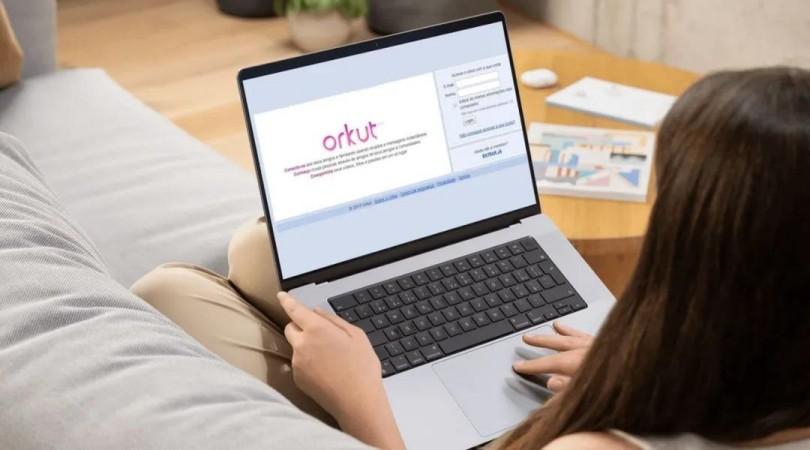
All you need to know about Orkut
Launched in January 2004 by Google engineer Orkut Büyükkökten, Orkut became one of the most popular early social networking platforms, particularly in India and Brazil. It allowed users to create profiles, connect with friends, leave scraps, write testimonials and join communities based on shared interests.
From college friendships and Bollywood discussions to humour and everyday experiences, these communities helped users build connections beyond their immediate social circles. For many Indian internet users, Orkut was their first experience of maintaining friendships and interacting with people online.
The platform gradually lost ground as newer social networking services gained popularity. Google officially shut down Orkut on September 30, 2014, ending a decade-long run.
Will Orkut make a comeback?
Although the campaign has revived nostalgia among former users, the return of the original platform has not been confirmed. Büyükkökten is seeking support for a new social network inspired by Orkut's original emphasis on friendship, communities and meaningful connections.
Details about the platform's final name, features, funding, launch date and availability remain unclear. The number of sign-ups indicates interest in the idea, but it does not guarantee that a new platform will launch.
The renewed interest in Orkut comes amid growing concerns about algorithm-driven content, online privacy and AI-generated material. Whether the proposed network can recreate the sense of community that made Orkut popular remains to be seen.