
Oil prices remained largely steady in early trade on Monday as a sharp decline in vessel movements through the Strait of Hormuz raised fresh concerns over global crude supplies, while diplomatic efforts between Iran and the United States showed no clear progress.
Brent crude futures gained 0.42 per cent to $88.89 a barrel, while US West Texas Intermediate (WTI) crude rose 0.21 per cent to $82.57 as of 7:20 am. Both benchmarks had climbed more than 5 per cent last week following attacks on tankers in the Strait of Hormuz and an attack on a Saudi Aramco refinery.
The Strait of Hormuz, a crucial route for global energy supplies, saw vessel traffic fall sharply over the weekend. Kpler data showed only five commodity vessels crossed the waterway on Saturday, while none were recorded on Sunday, compared with 31 crossings during the previous weekend.
The slowdown comes amid continued uncertainty over US-Iran negotiations. Iranian Foreign Minister Abbas Araqchi said Tehran had yet to decide whether to resume talks with Washington, while US President Donald Trump warned Americans to expect somewhat higher gasoline prices as long as the conflict continues.
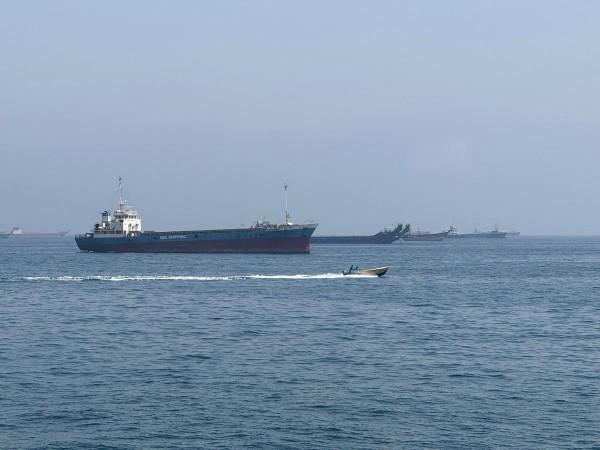
The waterway previously handled around one-fifth of global crude oil and liquefied natural gas shipments, making any prolonged disruption a major concern for energy markets. Traffic through the Bab el-Mandeb Strait has also declined, adding to concerns over regional energy flows.
With negotiations stalled and shipping activity through the Strait of Hormuz severely reduced, traders are expected to closely monitor developments in the Middle East for signs of either an easing of tensions or further disruption to global oil supplies.







![Alia Bhatt looks sexy in beachwear, enjoys girls' getaway in Spain; changes her Instagram DP [Photos]](https://data1.ibtimes.co.in/en/full/839220/alia-bhatt-looks-sexy-beachwear-enjoys-girls-getaway-spain-changes-her-instagram-dp-photos.jpg?w=220&h=138)