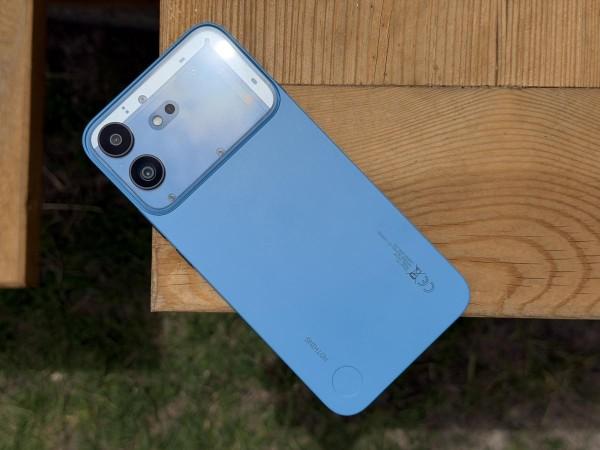
Nothing expanded its smartphone lineup with the launch of the Phone (4b), a new entry-level series that brings many of the company's signature design and software elements to a lower price point. The phone starts at Rs 34,999 for the base model and Rs 38,999 for the higher storage variant. While the handset packs several hardware upgrades, we've spent our initial time with the device and here are the first impressions.
Design
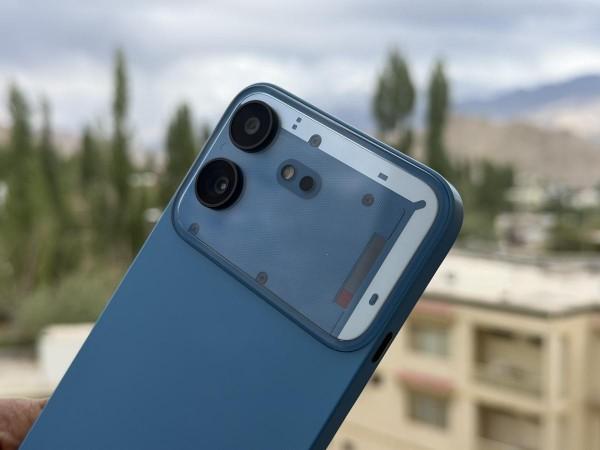
At first glance, the Phone (4b) immediately feels recognisable as a Nothing smartphone, which is by intention. Rather than introducing a completely new design language, the company has blended elements from its recent Phone (4a) lineup. The device combines the unibody construction seen on the Phone (4a) Pro with the redesigned Glyph Bar introduced on the Phone (4a).
We've tested the phone and the polycarbonate unibody feels solid with a smooth finish that resists fingerprints reasonably well enough. Despite a large battery in the phone, it remains comfortable to hold and there are two reasons for it: gently curved edges and even weight distribution. The transparent design continues to be one of Nothing's strongest visual identifiers, with exposed design elements around the camera module. It adds character without appearing overly busy.
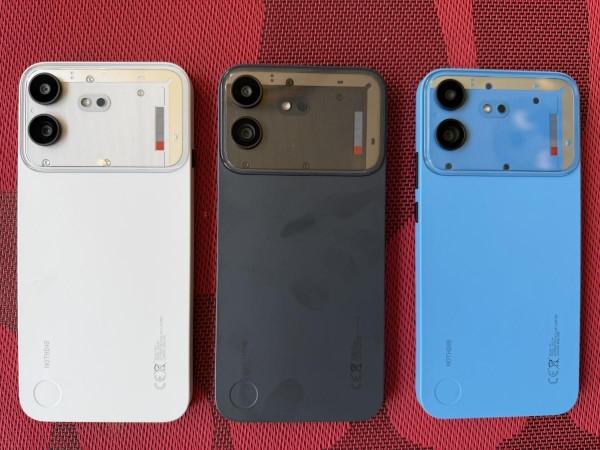
The refined Glyph Bar also remains one of the phone's standout features. Instead of acting purely as a design statement, it continues to serve practical functions by displaying notifications, timers, charging progress and recording indicators through a matrix of mini LEDs. Whether users fully embrace the Glyph experience will ultimately depend on individual preference, but it still offers an interaction style that few competitors attempt.
Display
The Phone (4b) features a 6.77-inch Super AMOLED display with a 120Hz adaptive refresh rate. Colours appear vibrant without looking overly saturated, blacks are deep, and scrolling feels smooth thanks to the high refresh rate. The panel also responds quickly to touch, making everyday navigation feel fluid.
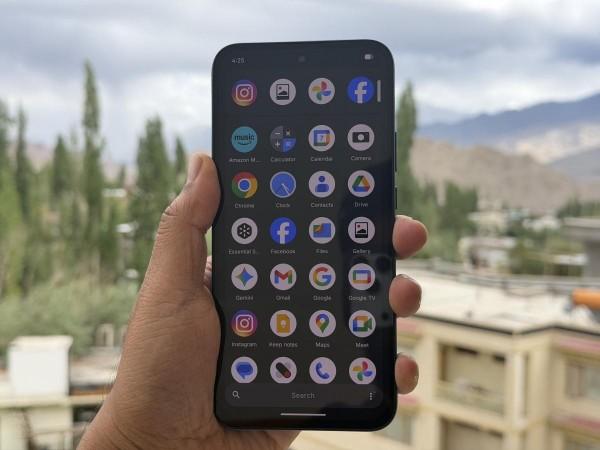
However, one area that stood out during our testing was outdoor visibility. Under harsh direct sunlight, the display can become difficult to read, particularly when viewing darker content. While it remains usable, we found ourselves increasing the brightness to maintain readability. If it's not direct sunlight hitting the display, the content is easily visible.
Camera
The Phone (4b) features a 50-megapixel main camera with OIS, paired with an 8MP ultra-wide camera and a 16MP front-facing sensor. On paper, the setup is designed to prioritise everyday photography rather than chasing headline specifications or camera enthusiasts.
In our initial testing, the main camera produced detailed images with natural-looking colours in daylight. Dynamic range also appeared controlled, particularly in scenes with bright skies and darker foregrounds, while Nothing's image processing generally avoided excessive sharpening or saturation.
Software
Software continues to be one of the strongest aspects of the Nothing experience.
The Phone (4b) ships with Nothing OS 4.1 based on Android 16, bringing the same clean interface found on the company's more premium devices.
During our initial time with the device, the interface feels uncluttered, responsive and visually distinctive without overwhelming users with unnecessary customisation. The monochrome iconography, minimalist widgets and smooth animations continue to give Nothing OS its own identity.
Nothing has also committed to three Android OS upgrades and six years of security updates, providing a relatively long software support window for a device in this segment.
Final thoughts
Our initial experience based on the brief time spent with the device suggests that the Phone (4b) successfully carries forward many of the characteristics that have helped define Nothing smartphones. The design remains distinctive without feeling overly experimental, the camera has its moments in the sun, and Nothing OS continues to offer one of the cleaner Android experiences available.
That said, these are only first impressions. Performance under sustained workloads, battery endurance, charging, and overall value will be followed with a longer-term testing. Stay tuned for our full review.