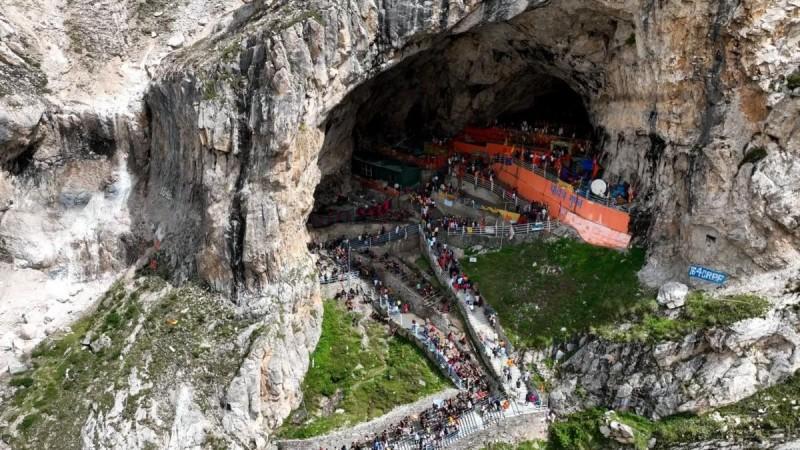
To ensure the smooth and secure conduct of this year's Shri Amarnath Ji Yatra, the Shri Amarnath Ji Shrine Board (SASB) on Wednesday announced that the pilgrimage routes have been declared "No-Fly Zones" as part of enhanced security measures.
This is the second consecutive year that the Amarnath Yatra corridor has been designated a No-Fly Zone for security reasons, resulting in the suspension of helicopter services for pilgrims.
In a notice issued on its official website, the Shrine Board stated:
"The Competent Authority has, vide Government Order No. 321-HOME of 2026 dated June 1, 2026, declared all routes of Shri Amarnath Ji Yatra, including both the Pahalgam and Baltal axes, as a 'No-Fly Zone' from July 1, 2026, till the completion of the Yatra. Consequently, helicopter services for pilgrim travel shall not be available in the Yatra area during Shri Amarnath Ji Yatra (SANJY) 2026."
The notice further stated:
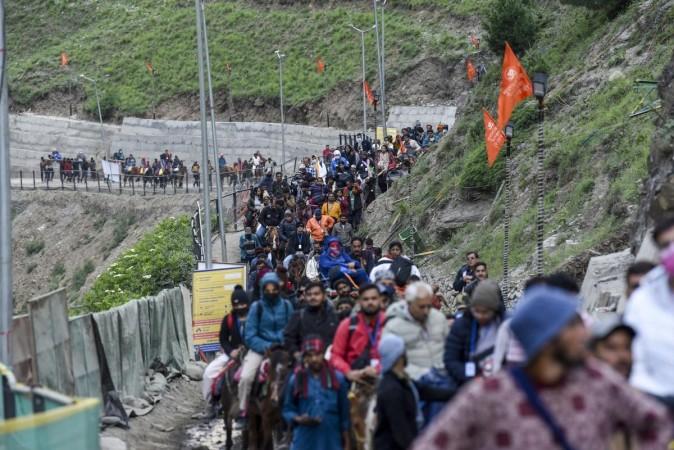
"All pilgrims planning to visit the Holy Shrine during the Yatra are advised to take note of the same. Pilgrims may reach the Holy Cave Shrine on foot or avail themselves of the services of ponies and palkis throughout the Yatra. Thank you for your cooperation."
The decision comes amid heightened security concerns and follows a series of high-level review meetings chaired by Lieutenant Governor Manoj Sinha, involving senior officials from the police, civil administration, intelligence agencies, the Army, Central Armed Police Forces (CAPFs), and disaster management authorities.
Officials said the No-Fly Zone has been imposed to strengthen aerial security, prevent unauthorised flying activities, and facilitate effective surveillance along the pilgrimage routes. Security agencies have been directed to maintain round-the-clock monitoring of the Yatra corridor, which passes through rugged mountainous terrain and several sensitive areas.
With the implementation of the order, helicopter services that were previously available for pilgrims travelling from the Baltal and Pahalgam sectors to the Holy Cave Shrine will remain suspended throughout this year's pilgrimage.
The SASB has advised pilgrims to undertake the journey on foot or use traditional modes of transport such as ponies and palkis.
Yatra route was declared a no-fly zone in 2025
This is for the second consecutive year that the corridor of the Shri Amarnath Yatra has been declared a no-fly zone. Earlier in 2025, authorities declared the Yatra route as a no-fly zone due to the gruesome Pahalgam terror attack followed by Operation Sindoor.
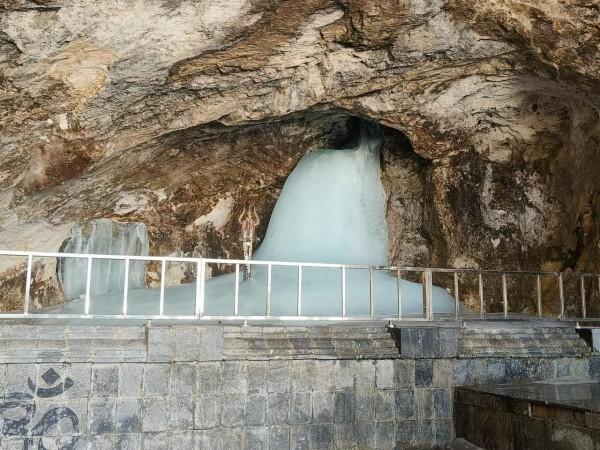
Amarnath Yatra to Commence on July 3
With preparations gathering pace for the annual pilgrimage, the Jammu and Kashmir administration has intensified efforts to ensure the smooth, safe, and successful conduct of the 57-day Shri Amarnath Ji Yatra, scheduled to commence on July 3, 2026.
Authorities said registrations from across the country have shown an encouraging trend, indicating a substantial turnout of devotees for one of India's most revered spiritual journeys.
To assess the readiness of various departments and agencies involved in the Yatra, Divisional Commissioner Kashmir Vijay Kumar Bidhuri (if Ansul Garg is indeed Divisional Commissioner in your source, retain his name) chaired a high-level review meeting in Pahalgam, the traditional base camp for the pilgrimage.
Senior civil and police officers, representatives of security agencies, district administrations, and officials from various line departments associated with the Yatra attended the meeting.
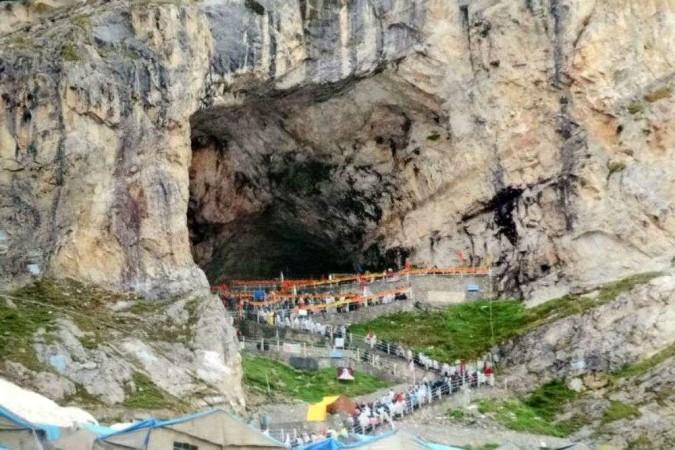
Speaking to reporters after the meeting, Ansul Garg expressed satisfaction over the pace of preparations and said the administration was working on a comprehensive plan to provide a hassle-free and secure pilgrimage experience to devotees.
"Registrations for the Yatra have been encouraging, and we expect a significant number of pilgrims this year. The review meeting was aimed at assessing preparedness, identifying gaps, and ensuring that all departments work in close coordination to provide the best possible facilities to yatris," he said.
The meeting reviewed a wide range of arrangements required for the smooth conduct of the pilgrimage, including accommodation, healthcare services, sanitation, traffic management, drinking water supply, electricity, communication networks, and disaster-response preparedness along both the traditional Pahalgam route and the shorter Baltal route.
Healthcare preparedness emerged as one of the key focus areas during the review. Authorities discussed the deployment of medical teams at strategic locations, establishment of emergency healthcare units, availability of ambulances and oxygen support systems, and stocking of essential medicines to deal with medical emergencies, particularly considering the high-altitude terrain and challenging weather conditions.
Security arrangements also figured prominently in the discussions, with officials reviewing plans to maintain a robust security grid throughout the pilgrimage period. Measures relating to crowd management, surveillance, emergency response, and the smooth movement of pilgrims along the Yatra routes were thoroughly assessed.