The government has introduced a new incentive scheme to accelerate the expansion of domestic piped natural gas (PNG) connections across India, with the initiative expected to reduce the payback period for companies investing in new household connections from around 10 years to nearly three years.
The Incentive Scheme for Promotion of Domestic PNG Connections was launched on August 18, 2026, and came into effect from September 1. The scheme aims to encourage City Gas Distribution (CGD) companies to convert unbilled and inactive PNG connections into active, billed connections while also expanding PNG networks into new areas.
According to the government, India had around 1.74 crore domestic PNG connections as of August 18. The City Gas Distribution network is being developed by entities authorised by the Petroleum and Natural Gas Regulatory Board (PNGRB) across 309 geographical areas covering the mainland.
How will the PNG incentive scheme work?
Under the scheme, a minimum threshold of domestic connections has been fixed for each geographical area. Eligible CGD companies that add billed domestic PNG connections above the prescribed threshold will receive an additional allocation of 200 Standard Cubic Metres (SCM) of domestically produced APM gas for every incremental connection.
The additional allocation of lower-priced domestic gas is expected to help CGD companies reduce their overall gas-sourcing costs. Companies can use the additional allocation to replace some of the more expensive LNG they currently procure for their CNG transport operations.
The resulting savings are expected to improve the commercial viability of domestic PNG connections. According to the government, the payback period on capital expenditure for a household connection could fall from around 10 years to nearly three years, giving companies a stronger incentive to expand household coverage.
What does the scheme mean for households?
The initiative is primarily aimed at CGD companies rather than providing a direct cash benefit or subsidy to consumers.
However, the government expects the improved economics to encourage companies to expand their networks and make PNG available to more households.
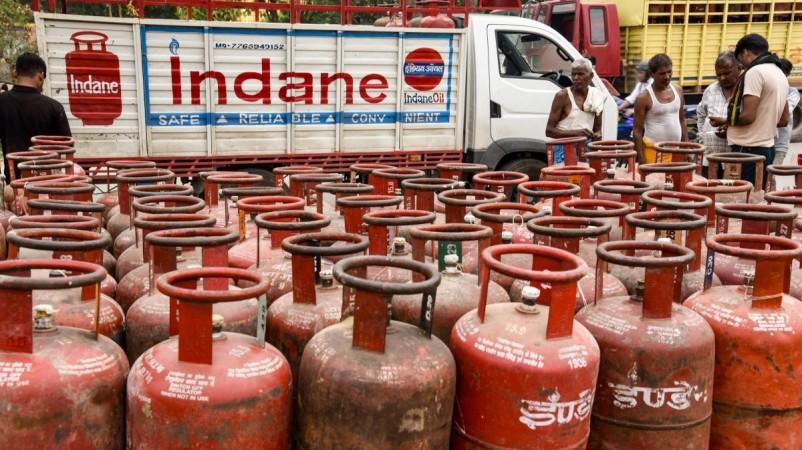
Unlike LPG cylinders, PNG is supplied continuously through pipelines, with consumers paying according to their metered consumption. Households also do not need to book, store or replace cylinders, making PNG a more convenient cooking fuel option.
PNG is also supplied through pipelines at low pressure and is lighter than air, allowing it to disperse more quickly in the event of a leak. The government has positioned the fuel as a cleaner cooking option that can help reduce indoor air pollutants and carbon emissions.
Government's push to expand PNG access
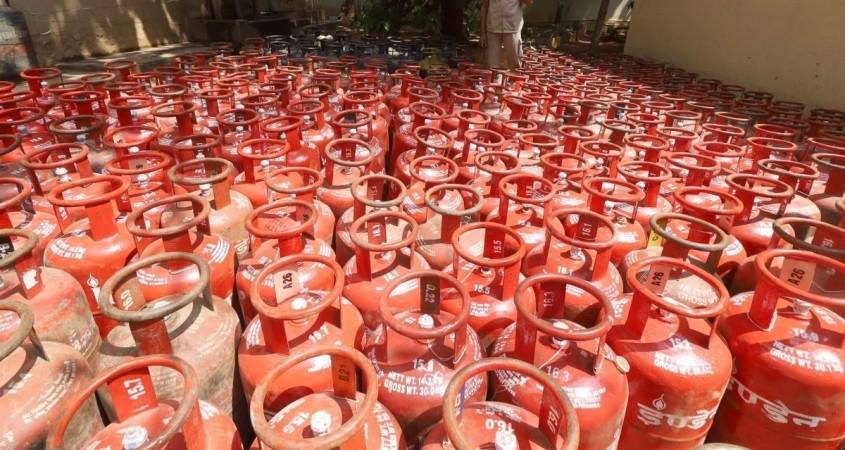
The incentive scheme is part of a broader government effort to increase household access to piped natural gas and encourage a shift away from LPG cylinders.
Other measures include simplifying infrastructure approvals, standardising Right-of-Way charges and encouraging states to reduce VAT on natural gas to 5 per cent. The government is also implementing National PNG Drive 2.0, which includes awareness campaigns and efforts to encourage housing societies to switch to PNG.
A unified digital portal for applying for and tracking new PNG connections is also being developed.
The scheme will be implemented in two tranches, with incentives linked to incremental billed domestic PNG connections achieved during the performance period. The government expects the move to make household PNG expansion more financially attractive for CGD companies and accelerate access to piped cooking gas across the country.