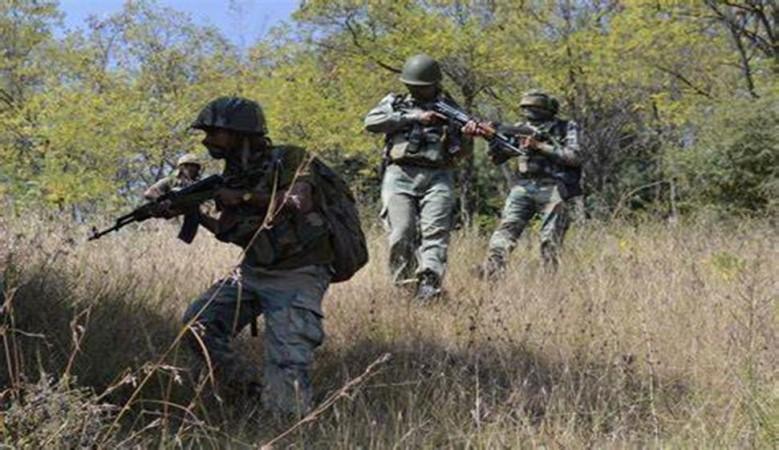
Union Home Minister Amit Shah's statement regarding the withdrawal of the Armed Forces (Special Powers) Act (AFSPA) from the Northeast has sparked a fresh debate in Jammu and Kashmir, with ruling National Conference leaders demanding that the law be revoked in the Union Territory first, arguing that the law-and-order situation has significantly improved.
A day after Minister in the Omar Abdullah Cabinet, Sakina Itoo, demanded the removal of AFSPA from Jammu and Kashmir, the same demand was echoed by Chief Minister Omar Abdullah's Advisor, Nasir Aslam Wani.
"If AFSPA is withdrawn from any part of the country, Jammu and Kashmir should be the first place where the law is lifted," Wani said.
Speaking to reporters on the sidelines of an event in Srinagar, Wani said the government hopes and wishes that Jammu and Kashmir receives priority in any future decision regarding the rollback of AFSPA.
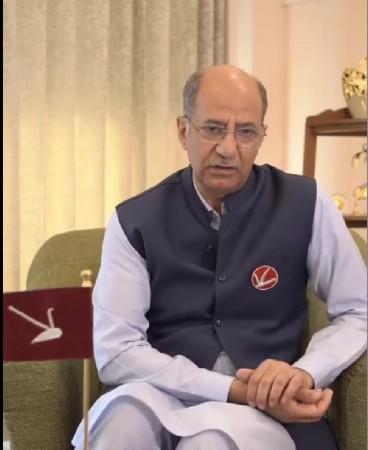
"If AFSPA is lifted anywhere, we wish, request and hope that it should first be removed from Jammu and Kashmir," he said.
Earlier on Friday, the only woman cabinet minister in the Omar Abdullah-led Council of Ministers Sakina Itoo called for the revocation of AFSPA from the Union Territory, arguing that if the Centre believes the security situation has improved elsewhere, the same principle should apply to Jammu and Kashmir.
Reacting to Union Home Minister Amit Shah's recent statement that AFSPA would be withdrawn from the entire Northeast next year, except for one or two states, Sakina Itoo said Jammu and Kashmir also deserves similar consideration if the government maintains that the situation on the ground has improved.
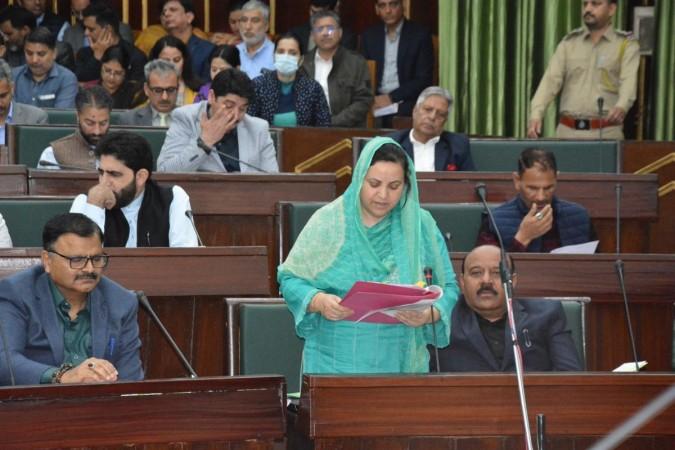
"If it is better, then it should be removed from here too. If they say that the situation has improved and that there is nothing happening here now—no stone-pelting or other incidents—then I think it should be removed from here first," Itoo told reporters.

AFSPA to Be Withdrawn from Most of Northeast in 2027: Shah
On Thursday, Union Home Minister Amit Shah said AFSPA would be withdrawn from the entire Northeast next year, barring one or two states.
Speaking at the signing of a tripartite MoU between the Centre, Assam and Nagaland to facilitate mineral oil operations in the Assam-Nagaland border areas, Shah said the shrinking of areas covered under AFSPA is an indicator of peace.
"I am confident that, barring one or two states, we will withdraw AFSPA from the entire Northeast next year," he said.
AFSPA was introduced in Kashmir in 1990
Following the onset of Pakistan-sponsored terrorism in Jammu and Kashmir, parts of the erstwhile state were brought under AFSPA in September 1990 through a notification issued by the then state government, declaring the Kashmir Valley a "disturbed area" under Section 3 of the Act.
It was only in August 2001 that the then state government extended the scope of AFSPA to the Jammu region as well.
The statements made by Health and Education Minister Sakina Itoo and Chief Minister's Advisor Nasir Aslam Wani have once again brought the contentious issue of AFSPA's revocation to centre stage after a prolonged gap.
During his previous tenure as Chief Minister, Omar Abdullah had aggressively pursued the partial withdrawal of AFSPA from specific districts where the Army had no active operational role.
AFSPA grants special powers to the armed forces operating in areas declared as "disturbed" and has remained a subject of political debate in Jammu and Kashmir for decades.