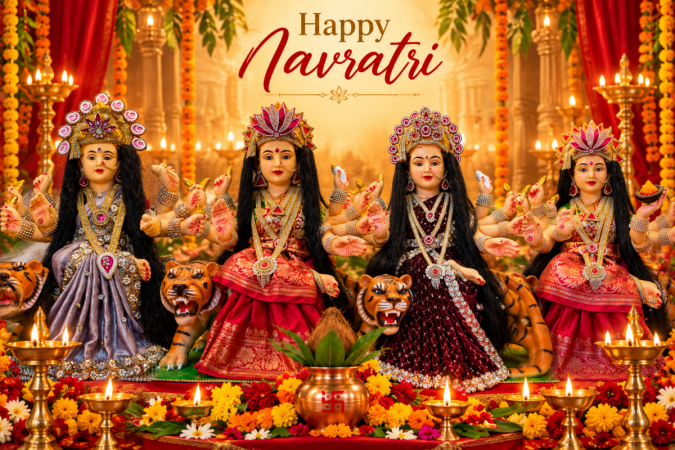
Shardiya Navratri 2026 will begin on Sunday, October 11, and the nine-day festival will continue until Monday, October 19. The celebrations will culminate with Vijayadashami/Dussehra on Tuesday, October 20. The festival is dedicated to Goddess Durga and her nine forms, collectively known as Navdurga.
Navratri begins with Ghatasthapana, or Kalash Sthapana, and devotees worship a different form of Goddess Durga on each of the nine days. Many devotees also observe fasts, perform daily puja, chant mantras and visit temples during the festival.
When is Navratri 2026?
Shardiya Navratri begins on October 11, 2026. According to the Hindu calendar, Pratipada Tithi begins at 9:19 pm on October 10 and ends at 9:30 pm on October 11. Based on the sunrise-based calendar, October 11 is observed as the first day of Navratri.
The nine-day worship period will run from October 11 to October 19. Durga Ashtami and Maha Navami will both be observed on October 19, followed by Vijayadashami on October 20.
Navratri 2026 important dates
| Festival | Date |
|---|---|
| Navratri begins | October 11, 2026 |
| Ghatasthapana | October 11, 2026 |
| Durga Ashtami | October 19, 2026 |
| Maha Navami | October 19, 2026 |
| Vijayadashami/Dussehra | October 20, 2026 |
Navratri 2026 Ghatasthapana Muhurat
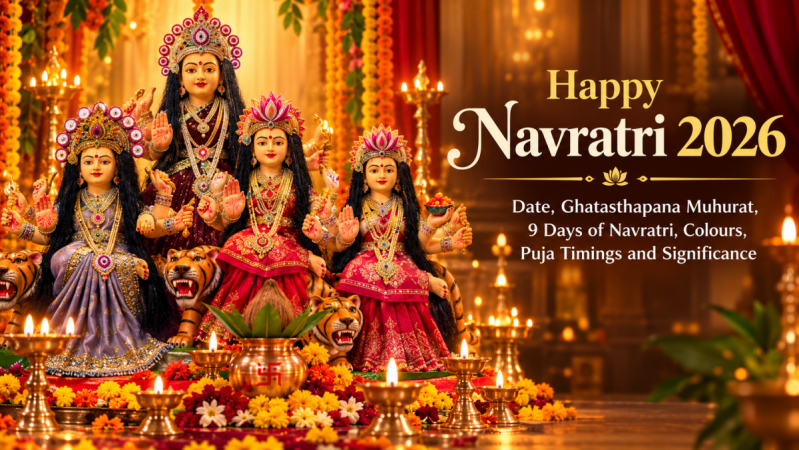
Ghatasthapana marks the formal beginning of Navratri worship. During the ritual, devotees establish a sacred kalash and invoke Goddess Shakti.
For Delhi and nearby North Indian locations, the main Ghatasthapana Muhurat on October 11 is 6:19 am to 10:12 am. An alternative Abhijit Muhurat is from 11:44 am to 12:31 pm. Since Hindu Panchang timings can vary by location, devotees should check the local Panchang before performing the ritual.
What is Ghatasthapana?
Ghatasthapana, also known as Kalash Sthapana, involves placing a sacred pot filled with water and decorating it with mango leaves and a coconut. Barley or other auspicious grains may also be sown as part of the traditional setup.
The ritual symbolises the invocation of divine feminine energy and marks the beginning of nine days of worship dedicated to Goddess Durga.
Navratri 2026: 9 days, 9 goddesses and colours
| Day | Date | Goddess | Colour |
|---|---|---|---|
| Day 1 | October 11 | Maa Shailputri | Orange |
| Day 2 | October 12 | Maa Brahmacharini | White |
| Day 3 | October 13 | Maa Chandraghanta | Red |
| Day 4 | October 14 | Maa Kushmanda | Royal Blue |
| Day 5 | October 15 | Maa Skandamata | Yellow |
| Day 6 | October 16 | Maa Katyayani | Green |
| Day 7 | October 17 | Maa Kalaratri | Grey |
| Day 8 | October 18 | Maa Mahagauri | Purple |
| Day 9 | October 19 | Maa Siddhidatri | Peacock Green |
The 2026 colour sequence begins with orange because the first day of Navratri falls on a Sunday.
Navratri 2026 puja rituals
Devotees commonly begin their day with a bath and prayers before performing puja. Morning and evening aarti, lighting diyas, offering flowers and fruits, chanting mantras and reciting Devi-related scriptures are among the commonly followed practices.
Many devotees also observe a Navratri fast or follow a sattvik diet during the nine days. Kanya Puja, in which young girls are worshipped as manifestations of the Goddess and offered food and gifts, is commonly performed on Ashtami or Navami.
Rituals and customs vary across regions. Gujarat is known for Garba and Dandiya celebrations, while West Bengal observes Navratri through its distinct Durga Puja traditions.
Durga Ashtami and Maha Navami 2026
A notable feature of the 2026 calendar is that Durga Ashtami and Maha Navami fall on October 19 because of the overlap of lunar tithis. The day will therefore hold special significance for devotees completing their Navratri worship.
When is Dussehra 2026?
Vijayadashami or Dussehra will be celebrated on October 20, 2026. It marks the culmination of Navratri. In the Devi tradition, the festival represents Goddess Durga's victory over Mahishasura, while in another major Hindu tradition, Dussehra commemorates Lord Rama's victory over Ravana.