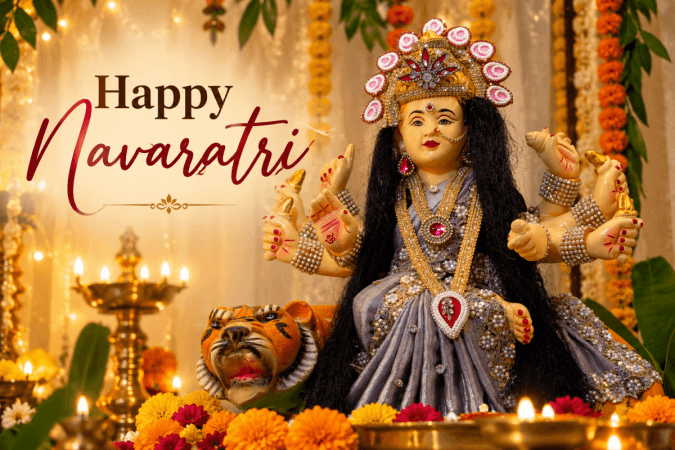
Navratri is one of the most auspicious Hindu festivals, celebrated over nine days to worship the nine forms of Goddess Durga. During this period, devotees observe fasts, offer prayers and follow certain religious practices as a mark of devotion. While customs may vary from family to family and region to region, many devotees follow a sattvic diet and avoid certain foods and activities during Navratri.
If you are observing Navratri this year, here are some important do's and don'ts to keep in mind.
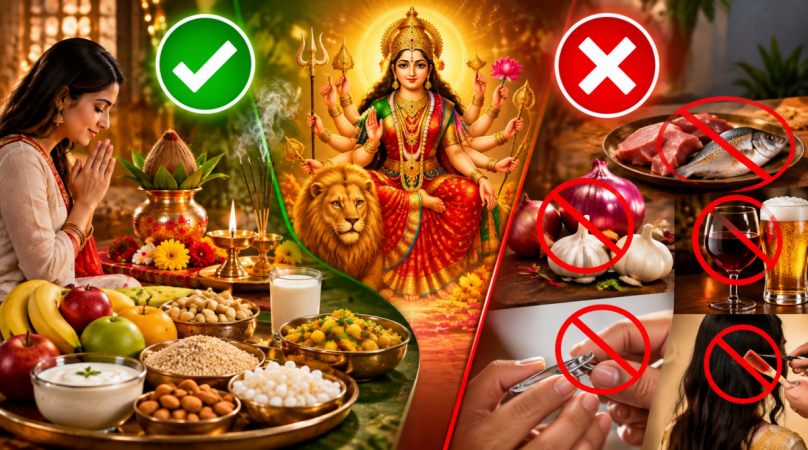
Navratri 2026: Do's to follow
1. Worship Goddess Durga every day
Devotees can begin the day by taking a bath, cleaning the puja area and offering prayers to Goddess Durga. Lighting a diya, offering flowers and reciting Durga mantras are common practices during the nine days.
2. Follow a sattvic diet
Those observing a fast often prefer simple, freshly prepared vegetarian food. Fruits, milk, curd, nuts and permitted fasting ingredients such as kuttu flour, singhare ka atta and sabudana may be included, depending on individual customs.
3. Maintain cleanliness at home and in the puja area
Cleanliness is considered important during Navratri. Devotees traditionally keep the prayer space tidy and wear clean clothes while performing puja.
4. Practise kindness and self-discipline
Navratri is a time for prayer, reflection and spiritual discipline. Devotees are encouraged to speak politely, avoid unnecessary arguments and help those in need.
5. Observe fasts according to your capacity
Some devotees fast for all nine days, while others observe fasts on the first and last days or on selected days. Choose a fasting routine that suits your health and family traditions. Fasting should not mean neglecting your health.
6. Offer bhog to the Goddess
Fruits, sweets and other permitted offerings are commonly offered to Goddess Durga. The type of bhog varies according to the form of the Goddess worshipped and regional traditions.
Navratri 2026: Don'ts to follow
1. Avoid non-vegetarian food
Many devotees abstain from meat, fish and eggs during Navratri as part of their religious observance. Alcohol is also avoided by those following traditional fasting practices.
2. Avoid onion and garlic
People following a strict sattvic diet generally avoid onion and garlic because these ingredients are traditionally excluded from sattvic food. However, this practice depends on individual beliefs and family customs.
3. Avoid consuming prohibited foods during a fast
Depending on the fasting tradition, devotees may avoid regular grains, pulses, table salt and certain spices. Rock salt, also known as sendha namak, is commonly used in fasting recipes. The exact restrictions vary, so follow the rules customary in your household.
4. Do not cut nails or hair if your family tradition prohibits it
Some devotees avoid cutting their hair and nails during Navratri as a traditional observance. However, this is a customary belief rather than a universal religious rule, and practices differ across families and regions.
5. Avoid anger, harsh words and unnecessary conflict
Navratri is associated with devotion, self-control and positive thoughts. Devotees traditionally try to avoid arguments, gossip and hurtful behaviour during the festival.
6. Do not waste food or disrespect others
The festival encourages gratitude, compassion and generosity. Avoid wasting food, and consider helping people in need as part of your observance.
7. Do not force yourself to fast if you are unwell
Fasting rules should be followed responsibly. People with medical conditions, those taking regular medication, pregnant people and others with specific nutritional needs should seek appropriate medical advice before undertaking restrictive fasts.
Can you cut your nails or wash your hair during Navratri?
There is no single rule followed by every Hindu household. Some families traditionally avoid cutting nails, shaving or getting haircuts during the nine days, while others do not follow these restrictions. Similarly, bathing and maintaining personal hygiene continue as usual. These customs are generally matters of family tradition and personal faith.
Is it compulsory to avoid onion and garlic during Navratri?
Avoiding onion and garlic is common among devotees who follow a sattvic diet during Navratri. However, not everyone observes the same dietary restrictions. Those who choose to follow a strict fast should follow their family's established customs or the guidance of their religious tradition.