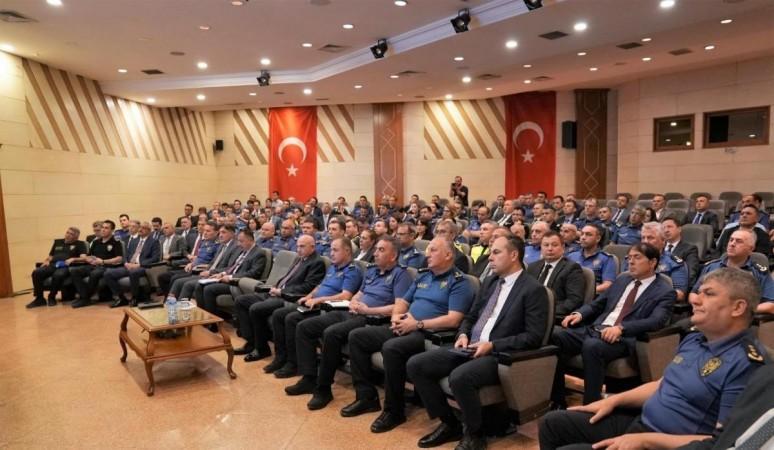
Turkish police detained 46 suspects in Ankara as part of a major security operation ahead of the North Atlantic Treaty Organization (NATO) Summit scheduled for July 7-8, as the alliance prepares to meet amid heightened security and growing internal disagreements over defence priorities, military spending and its long-term strategic direction.
According to Turkish media outlet Haberturk, the operation was coordinated by the Ankara Chief Public Prosecutor's Office, with the participation of the Ankara Police Department's public security branch and other police units.
The suspects were identified through technical and physical surveillance and were accused of posting images featuring firearms on social media, having extensive criminal records and being involved in various firearms-related incidents.
Police carried out simultaneous raids at multiple locations across Ankara, seizing evidence linked to alleged criminal activities. The suspects remain in custody while legal proceedings continue.
The operation is part of extensive security measures ahead of the NATO Summit, with authorities intensifying inspections and expanding security perimeters around summit venues. Police have been deployed around the clock at key locations, while Turkish authorities said all necessary judicial, administrative and security measures have been put in place to ensure public safety before and during the summit.
The gathering will bring together leaders from NATO's 32 member states, along with thousands of delegates, security personnel, journalists and support staff, making it one of the largest international events hosted by Ankara.
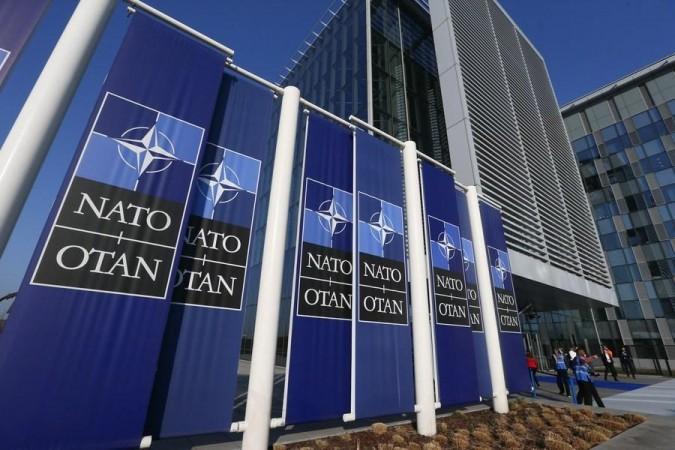
According to Anadolu Agency, around 70,000 security personnel will be deployed during the summit. The Ankara Governor's Office has also banned meetings, demonstrations, sit-ins, rallies and similar activities from June 28 to July 10. Concerts, festivals and other large public gatherings have also been restricted, while extensive traffic controls will remain in place around summit venues, hotels hosting delegations and major transport routes.
Alliance faces growing fault lines
Even as NATO prepares to project unity, the alliance enters the summit facing widening differences over strategic priorities, defence spending and recent geopolitical developments.
One of the key points of disagreement stems from the recent US and Israeli military strikes against Iran. While several NATO members expressed political support for Washington's objective of preventing Iran from acquiring nuclear weapons, none agreed to participate directly in the military operation.
The reluctance of European allies to deploy naval forces to support US efforts to reopen the Strait of Hormuz drew criticism from US President Donald Trump, who accused European nations of relying on American security guarantees while avoiding military risks.
Oytun Orhan, a senior researcher at Ankara's Center for Middle Eastern Studies, said many European governments viewed the Iran conflict primarily through the lens of regional stability.
"A direct military role could have exposed them to retaliation, disrupted energy supplies and increased migration pressures at a time when many countries are already facing significant domestic challenges," he said.
Foreign policy analyst Serkan Demirtas said Europe's cautious approach also reflects lessons learned from previous military interventions in Iraq, Afghanistan and Libya.
Defence spending debate
Another major issue expected to dominate discussions is NATO's commitment, agreed at last year's summit in The Hague, to increase defence-related spending to 5 per cent of GDP by 2035.
The proposal is widely viewed as part of the Trump administration's push for "NATO 3.0", aimed at shifting greater responsibility for Europe's conventional defence from the United States to European members.
However, analysts question whether many countries can realistically meet the ambitious target.
Analyst Unal said several governments accepted the target largely to avoid confrontation with Washington, noting that agreeing to a 2035 deadline was politically easier than openly opposing the United States.
He added that slow economic growth, high public debt, ageing populations and domestic political priorities such as healthcare, education and social welfare could make it difficult for governments to significantly raise military spending.
Public protests ahead of summit
Public opposition to NATO has also intensified ahead of the summit.
Anti-NATO demonstrations have taken place in Ankara, Istanbul and Izmir, with protesters describing the alliance as an "imperialist war organization" and arguing that increased defence spending diverts resources from healthcare, education and workers' welfare.
Demonstrators carried banners reading "NATO wants war, workers want peace," "Budget for the people, not for NATO," and "No to NATO, no to war." Similar protests were also held in the Netherlands and Spain in 2025 and 2026.
In Istanbul, workers, civilians and political activists joined large rallies calling for NATO's dissolution and opposing the alliance's push for higher military expenditure.
The Ankara summit is also expected to announce major defence procurement agreements, many of which analysts believe will benefit US defence manufacturers.
"American defence companies naturally benefit when allies purchase NATO-compatible military equipment. There is no doubt that the United States exercises considerable influence over the alliance's strategic direction," Unal said.
Baris Doster, a scholar at Istanbul-based Marmara University, argued that the growing anti-NATO sentiment reflects broader public concerns over increasing militarisation and its economic costs.
"NATO is not an ordinary defence and security organisation. It is an organisation with economic, political and ideological preferences," he said.