
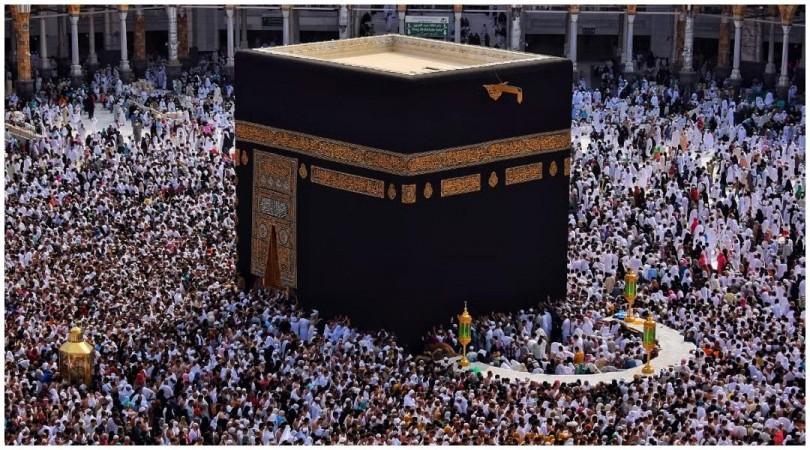
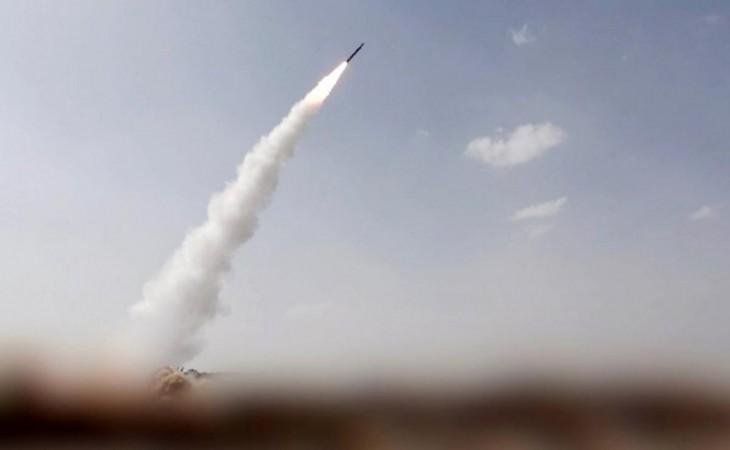
Saudi Arabia's air defences intercepted and destroyed a Houthi drone south of Mecca before it entered the restricted airspace over the holy city, the Saudi-led coalition said on Wednesday, as tensions between Riyadh and Yemen's Houthi rebels continued to escalate.
Saudi coalition spokesperson Turki al-Malki said the drone was intercepted on Tuesday evening and described the security of the two holy mosques and pilgrims as a "red line". The incident marks the second attempt that Saudi authorities have attributed to the Houthis involving Mecca, following a ballistic missile launch in 2017.
The Houthis, however, denied targeting Mecca. Houthi politburo member Hazem al-Assad rejected the Saudi claim, saying the group did not target the holy city or other Islamic holy sites.
Saudi Arabia had earlier issued brief security alerts in Mecca, Jeddah and Taif amid a series of attacks attributed to Iran-aligned Houthi forces. The alerts were subsequently lifted, while Saudi authorities did not immediately report any confirmed impact from incoming projectiles.
The latest escalation follows renewed fighting in Yemen after a period of relative calm under a UN-brokered truce that largely halted major Saudi-Houthi hostilities in 2022. The conflict has intensified in recent weeks, with attacks and counterattacks spreading closer to the Red Sea and Saudi territory.
The Houthis have also made gains along parts of Yemen's Red Sea coast near the Bab el-Mandeb Strait, a key maritime route linking the Red Sea and Gulf of Aden. The developments have raised concerns over shipping and Saudi oil exports, particularly as the Strait of Hormuz has also faced severe disruption amid the wider regional conflict.
Saudi Arabia has responded with airstrikes on Houthi-held areas in Yemen. Houthi sources have claimed large numbers of Saudi strikes in recent days, although those battlefield figures have not been independently verified.
Meanwhile, the United States has advised its citizens to reconsider travel to Saudi Arabia, citing risks including Iranian drone and missile attacks, armed conflict and terrorism. The US advisory also specifically warned against travel to the Yemen border because of the threat of terrorism.
The escalation is also putting pressure on regional energy infrastructure. Saudi Arabia's 1,200-km East-West oil pipeline was damaged in a separate attack that Riyadh blamed on an Iran-aligned group based in Iraq. The pipeline provides an alternative route for Saudi oil exports when shipping through the Strait of Hormuz is disrupted.
Saudi Crown Prince Mohammed bin Salman also met Egyptian President Abdel-Fattah el-Sissi in Cairo as Riyadh sought wider regional support. The two sides stressed the importance of protecting navigation through the Red Sea and Bab el-Mandeb, although Egypt did not announce military support.
The developments mark a significant expansion of the Saudi-Houthi confrontation, with the latest security alerts near Mecca and attacks affecting strategic infrastructure adding to concerns over regional security, energy supplies and maritime trade.