Over 2,700 buildings, around 15 major bridges, a significant portion of road infrastructure, and one hydroelectric power plant are under threat in Jammu and Kashmir, as five glacial lakes in the Kashmir Himalaya pose a very high risk of glacial lake outburst floods (GLOFs).
In a written reply to a question by National Conference MLA Tanvir Sadiq, the Jammu and Kashmir government on Tuesday admitted on the floor of the Legislative Assembly that five glacial lakes—Bramsar, Chirsar, Nundkol, Gangabal, and Bhagsar—pose a very high risk of GLOFs.
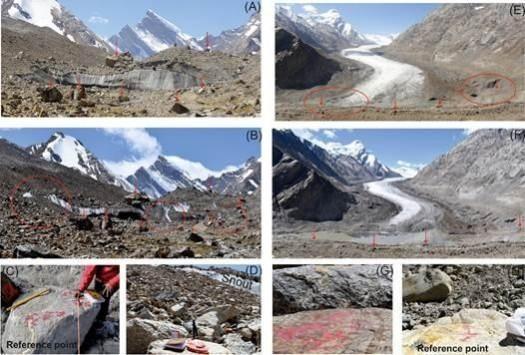
"A recent scientific study conducted by researchers from the Department of Geoinformatics, University of Kashmir, and published in the Journal of Glaciology assessed the susceptibility of glacial lakes to potential glacial lake outburst floods in the Kashmir Himalaya," the government informed the House.
"The study analysed 155 glacial lakes using a set of hydrogeomorphic indicators, including lake expansion rate, stability of their dams, and surrounding conditions. Based on these indicators, a small number of lakes, including Bramsar, Chirsar, Nundkol, Gangabal, and Bhagsar, were categorised under the 'very high susceptibility' class relative to other lakes in the region," the government said.
"However, it is important to note that a lake classified as 'high susceptibility' simply means that, if specific triggering conditions were to occur, it may be more prone to an outburst compared to others. This does not imply that the lake is currently unstable, actively breaching, or likely to fail in the immediate future," the government clarified.
The government said this preliminary assessment provides a baseline understanding of downstream vulnerability and serves as an initial framework for prioritising areas where more detailed scientific investigations may be required in the future.
Vulnerability threatens infrastructure
The government further admitted that, according to the study, these five high-susceptibility lakes together threaten 2,704 buildings, around 15 major bridges, a significant portion of road infrastructure, and one hydroelectric power plant.
These findings establish a baseline for future scientific research as well as for policymakers and implementing agencies.
Accurate risk assessment of GLOFs in the Kashmir Valley—including precise estimation of flood magnitude, velocity, and warning time—depends on reliable data on glacial lake volume. Such data can only be obtained through field-based bathymetric (depth) measurements, which are currently unavailable for most glacial lakes in the Himalayan region.
In this regard, researchers at the Department of Geoinformatics, University of Kashmir, have already initiated further work. The department has recently procured a high-precision RTK-enabled robotic echo-sounding boat with financial support from the Ministry of Earth Sciences. Using this advanced facility, bathymetric surveys of at-risk glacial lakes in the western Himalaya are planned for 2026, subject to the necessary financial, logistical, and security support from stakeholders.
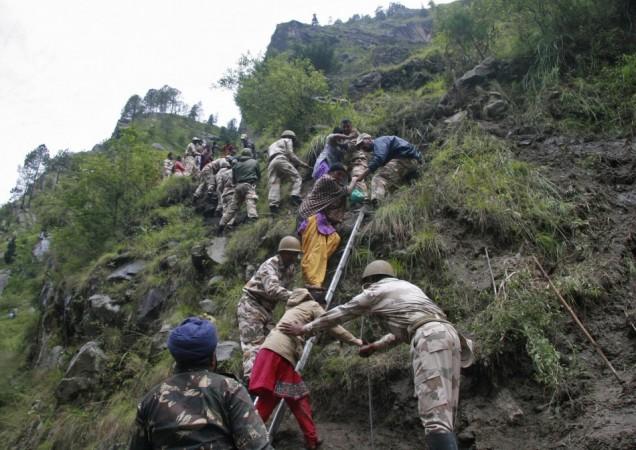
Regarding the future course of action, the government said authorities are continuously monitoring high-susceptibility lakes through remote sensing and targeted field assessments, installing effective early-warning systems, developing ecozonation plans for downstream vulnerable areas, and integrating informed GLOF risk scenarios into district-level disaster preparedness and response plans.
The government further informed that researchers involved in the study at the Department of Geoinformatics, University of Kashmir, are already working in this direction by developing GLOF early-warning systems specifically tailored for mountainous environments. These efforts involve integrating satellite-based monitoring, field observations, sensor-based hydrometeorological measurements, and near-real-time communication frameworks to enable timely detection and dissemination of hazard information.