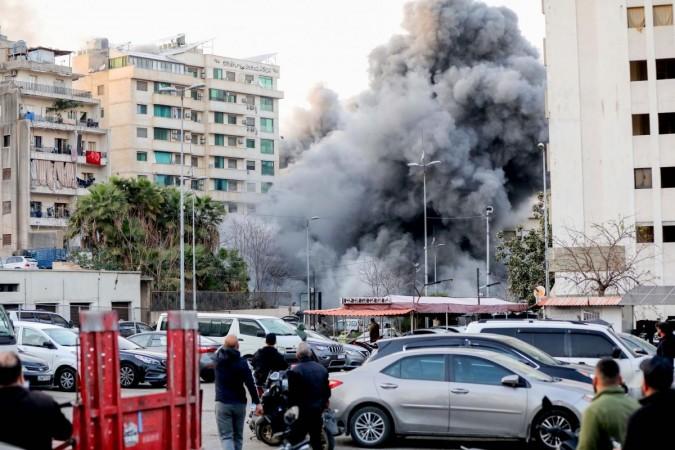
The Israeli Defence Forces (IDF) on Monday said it struck three Hezbollah command centres and dismantled a launcher used by the group in southern Lebanon, alleging the strikes were carried out in response to Hezbollah's violations of the ceasefire agreement.
Earlier, the IDF said it had destroyed an underground Hezbollah tunnel in southwestern Lebanon. According to the military, the tunnel, which stretched more than 200 metres and was 25 metres deep, housed hundreds of weapons and several launch shafts allegedly intended for attacks on Israeli territory and civilians.
The latest strikes come despite a US-mediated framework agreement signed on Friday between Israel and Lebanon aimed at strengthening a fragile ceasefire and advancing lasting peace and security.
Israeli Prime Minister Benjamin Netanyahu said the agreement paves the way for ending the conflict and eventually reaching a peace deal between the two countries. He claimed the framework strengthens Israel and Lebanon while weakening Iran and Hezbollah, adding that the United States and Lebanon recognise Israel's right to maintain a "security zone" in southern Lebanon for as long as necessary.
Netanyahu said the Israeli military would continue holding the security zone until Hezbollah and other armed groups are disarmed. He added that the agreement includes a pilot programme in two areas near the northern boundary of the security zone to dismantle Hezbollah's presence and transfer control to the Lebanese Army.
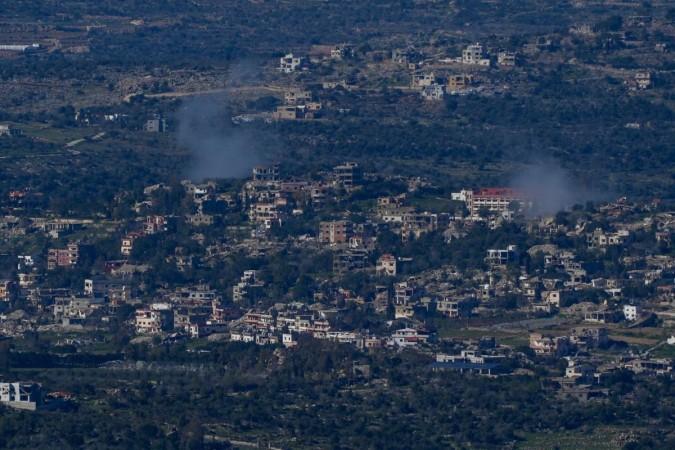
The Israeli Prime Minister also claimed that Israel has killed more than 9,000 Hezbollah militants since the war began and destroyed about 90 per cent of the group's stockpile of 150,000 missiles and rockets.
US Secretary of State Marco Rubio said on Friday that Israel and Lebanon had reached the framework agreement following ambassador-level talks in Washington, calling it a step towards "lasting peace and security."