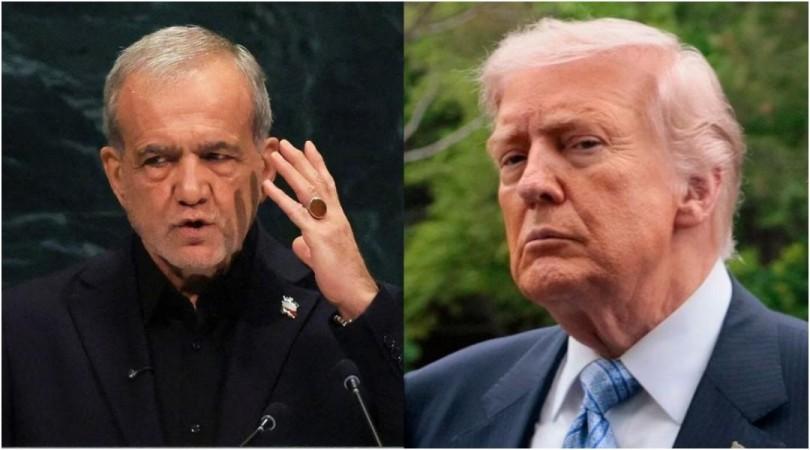
Iranian President Masoud Pezeshkian on Wednesday accused the United States and Israel of attacking Iran and said his country and its people had become "victims of terrorism" during his address to the United Nations General Assembly.
"We have only defended ourselves. We are not terrorists," Pezeshkian said, rejecting accusations against Tehran. He claimed that Iran had been subjected to attacks and aggression and said the country had responded in self-defence.
Pezeshkian said Iran needed to remain powerful enough to deter threats, while insisting that Tehran did not seek to use its strength for regional hegemony. He said Iran's defence capabilities were intended to ensure that attacks on Iranian cities would not go unanswered.
Warning over Strait of Hormuz
The Iranian president also issued a warning over the strategically important Strait of Hormuz, saying Tehran would not allow the waterway to be used for what Iran considers aggression against the country.
"We cannot let some have free access and gain their interests from a waterway, while at the same time using that waterway to impose their aggressions upon us," Pezeshkian said. He added that Iran wanted strong and cooperative relations with its neighbours in the region.
The remarks come amid heightened tensions around the Strait of Hormuz, a key route for global energy shipments. Reuters reported that the waterway carried roughly a fifth of global oil and liquefied natural gas supplies before the war, making disruptions there a major concern for international energy markets.
Iran says it remains open to diplomacy
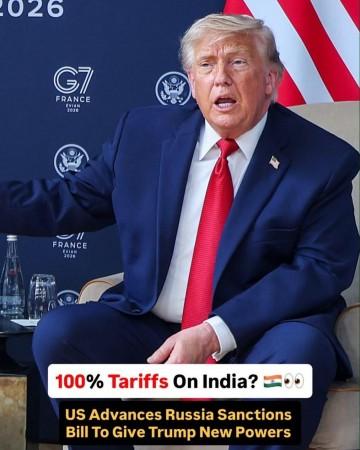
Despite his warnings, Pezeshkian said Iran was not prepared to surrender and continued to see diplomacy as a possible path to ending the conflict. His remarks came a day after US President Donald Trump addressed the UN General Assembly and warned Tehran over the ongoing confrontation.
Iranian officials have also indicated that Tehran could reopen the Strait of Hormuz if the United States eases military pressure and lifts its blockade of Iranian ports. According to Reuters, an Iranian official said Tehran could reopen the waterway within seven days if those conditions were met.
The latest statements underline the sharp differences between Washington and Tehran as the conflict continues, while the UN General Assembly has become a key diplomatic forum for discussions over the escalating crisis.