
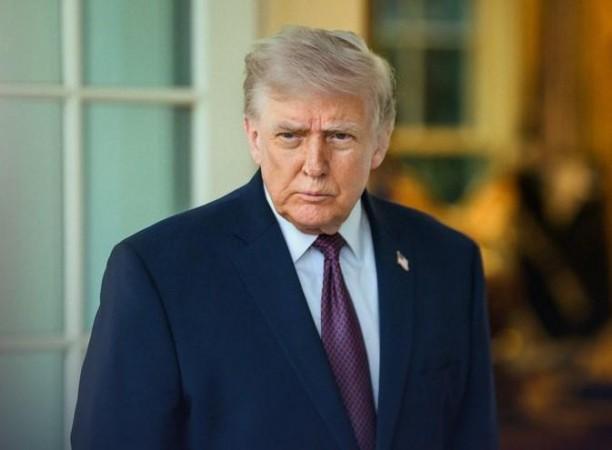
Iran has rejected US President Donald Trump's plan to declare the Strait of Hormuz as American territory, warning Washington to accept the reality that the strategic waterway cannot simply be taken over by the United States.
The response came after Trump said he would soon declare the Strait of Hormuz a US territory following what he described as the defeat of Iran. The comments have further escalated tensions between Washington and Tehran amid the continuing conflict over the crucial maritime route.
Iranian officials have maintained that the Strait remains under Iranian control and have rejected Trump's claims as unrealistic. Tehran has also insisted that the US must accept the situation on the ground before any meaningful diplomatic engagement can resume.
The Strait of Hormuz is one of the world's most strategically important waterways and a key route for global energy shipments. Any prolonged disruption to shipping through the strait has the potential to affect oil supplies, energy prices and global trade.
Trump's remarks came as the US continued its pressure campaign against Iran. Washington has also imposed measures aimed at restricting Iran's oil revenues and has maintained a naval presence in the region.
Iran, meanwhile, has continued to challenge the US position and has warned against attempts to impose American control over the waterway.
The dispute has also raised concerns among international shipping and energy markets. Recent data showed that the volume of commodity vessels transiting the Strait of Hormuz remained sharply reduced amid the US-Iran standoff.
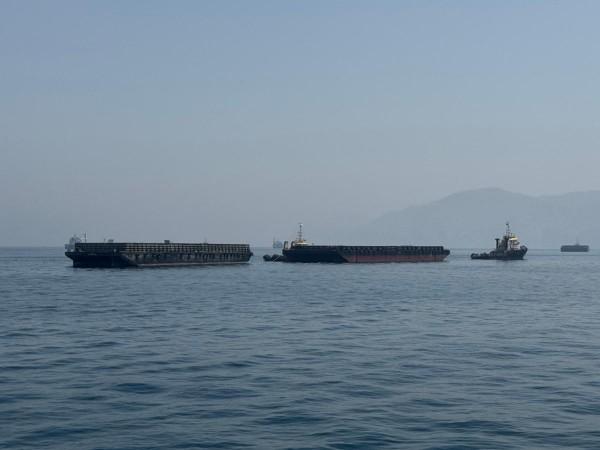
Trump's declaration has no immediate effect on the internationally recognised status of the waterway, but it adds another layer to the already intense confrontation between the two countries.
The latest exchange comes as the US-Iran conflict approaches six months, with both sides continuing to issue competing claims over the status of the strait and prospects for negotiations.