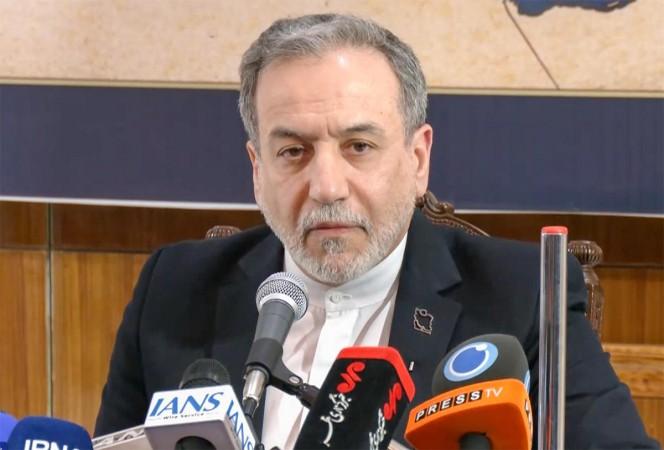
Iran's Mehr news agency on Sunday (August 2, 2026) dismissed U.S. President Donald Trump's claim that Tehran had requested Washington to refrain from launching fresh strikes, calling the allegation "nothing but a new lie."
Citing military officials, the agency said Iran's armed forces remain "on high alert and ready for any eventuality." Acting Defence Minister Majid Ibn al-Reza echoed the stance, saying Tehran treats every threat from its adversaries as "real and credible," even if it is part of psychological warfare. "We will neither be caught off guard nor remain passive," he said, adding that Iran would continue strengthening its military readiness and deterrence capabilities.
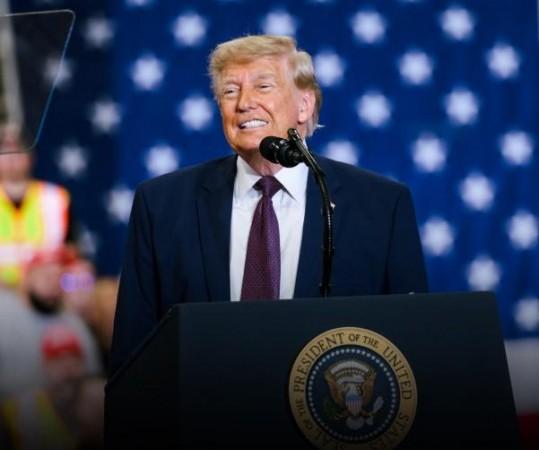
The denial came after Trump said on Saturday that the United States and Israel had agreed to hold off on planned strikes against Iran after receiving requests from Tehran and other Middle Eastern countries, provided a deal is reached quickly.
"The USA is locked and loaded and ready to go against the Islamic Republic of Iran," Trump wrote on Truth Social, adding that the proposed agreement would require the "immediate, complete and total opening of the Strait of Hormuz" and an end to Iran's nuclear threat.
However, Iran's Fars news agency, citing a source close to Iranian negotiators, said the Strait of Hormuz would remain closed "as long as the United States maintains its hostile actions." Iran has blockaded the strategic waterway since the conflict began, requiring vessels to obtain permission and pay transit fees before passing through.
Meanwhile, Iranian lawmaker Hassan Ghashghavi, spokesperson for Parliament's National Security Commission, said mediators were working to revive the 14-point Islamabad agreement that briefly halted the U.S.-Iran conflict in June.
"There is an effort underway to revive the 14-point Islamabad agreement, particularly by the mediators," Ghashghavi said, adding that the Strait of Hormuz remains the central issue in the negotiations.
Despite projecting a united front, divisions have emerged within Iran's leadership over the war's endgame. Ultra-hardliners from the Paydari (Stability) movement oppose negotiations and are pushing for total victory, while allies of President Masoud Pezeshkian and Parliament Speaker Mohammad Bagher Qalibaf favour using military pressure to secure a negotiated settlement with Washington, amid mounting economic strain and domestic challenges.
Separately, Saudi Crown Prince Mohammed bin Salman raised concerns during a phone call with Trump over any potential escalation by the United States. According to a person familiar with the discussion, Saudi Arabia fears that large-scale U.S. strikes on Iran could trigger retaliatory attacks on Gulf energy infrastructure, including targets in the kingdom.