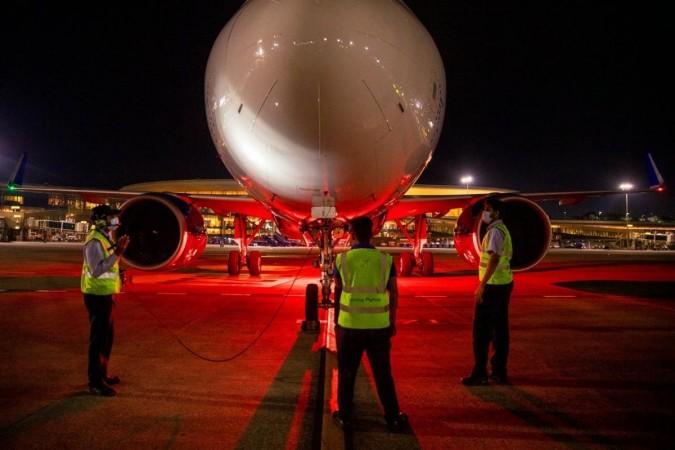
As IndiGo's flight cancellations surge past 1,200 amid one of the worst operational meltdowns in recent years, frustration within the airline's workforce is rising sharply. While passengers face delays and cancelled flights, it is IndiGo's pilots, cabin crew and ground teams who have become the public face of the crisis — even though multiple industry groups say the fault lies squarely with IndiGo's leadership and planning failures.
IndiGo told the DGCA that 755 of its November cancellations stemmed from Flight Duty Time Limitation (FDTL) constraints, triggered by new regulations meant to reduce pilot fatigue. But two major pilot associations have pushed back, saying the airline had more than enough notice to prepare for the rule changes — and simply chose not to.
The FDTL rules are not extraordinary — they align IndiGo's crew-rest requirements with global norms, extending weekly rest periods, limiting night fly-in/fly-out duties, and capping continuous duty hours to safeguard pilot health and passenger safety. The problem isn't the rules themselves, but that IndiGo chose to keep staffing levels tightly trimmed, maximizing crew utilisation until the very moment regulatory compliance made that practice untenable. The disruption today is a consequence of sustained over-utilisation — a systemic miscalculation by management — not the FDTL mandate. In fact, IndiGo had a two year headstart to get things in order, but failed to do so.
According to the Federation of Indian Pilots (FIP), IndiGo continued a hiring freeze, maintained a pilot pay freeze, and relied on "unorthodox lean manpower strategies" despite a two-year window before full FDTL implementation. The group says these decisions directly contributed to the staffing crunch now paralysing operations. "This is the consequence of prolonged short-sighted planning," FIP said, adding that the airline's executives received record increments this year while pilots faced workload stress and reduced leave.
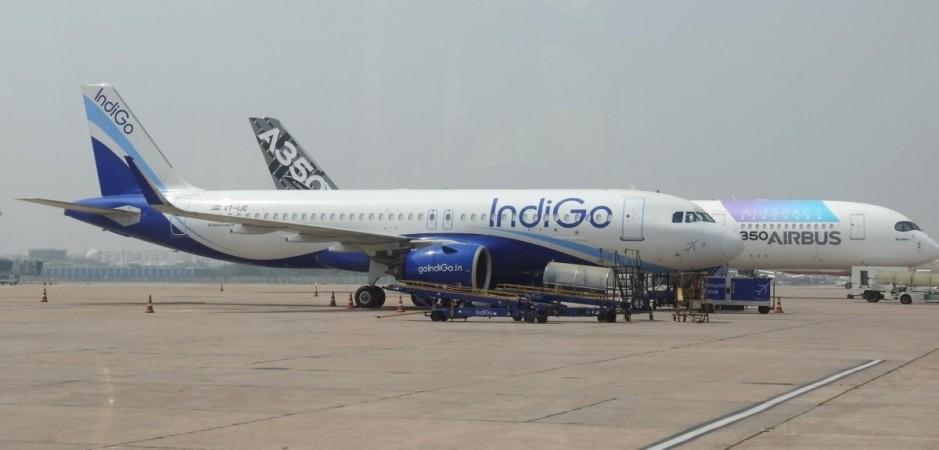
The Airline Pilots' Association of India (ALPA) echoed the concerns, calling the current disruptions a "failure of proactive resource planning" by IndiGo's leadership. Both associations warned that the situation should not be used to pressure regulators into weakening fatigue norms.
IndiGo's frontline employees — who have been managing irate passengers at airports for the past two days — say they are unfairly bearing the brunt of decisions they had no role in. Ground staff have been firefighting without clear communication from management, according to employees at Delhi and Bengaluru airports. Cabin crew members say frequent rescheduling, duty-hour near-overruns and last-minute roster changes were already straining teams even before the meltdown.
"We're the ones facing passengers, not the people who took these decisions," said a Delhi-based IndiGo ground staff member who did not wish to be named. "Every delay becomes our fault in the public eye, but none of us had authority to fix the root problem."
With over 200 cancellations on Wednesday alone, some IndiGo flights saw delays stretching up to 10 hours. OTP collapsed to 19.7 per cent — a sharp fall for an airline long known for its punctuality branding. As cancellations mounted across major airports, staff reported abuse, frustration and confusion at departure gates — while management issued broad statements about "unforeseen operational challenges".
Industry observers note that IndiGo's business model — built on extremely high aircraft and crew utilisation — leaves it with little buffer when new norms reduce flying hours. The airline also operates a large number of late-night and early-morning flights now constrained by the revised FDTL night landing limits. But critics say this only reinforces the need for better forecasting and manpower planning from leadership, not shortcuts.
Even the DGCA hinted that many issues were preventable, stating that the airline's cancellations were disproportionately due to crew compliance factors compared to peers operating under the same rules.
Pilot groupings have now urged the regulator to approve schedules only when airlines demonstrate adequate staffing under the new norms — a move that could shift accountability from frontline personnel to management policies.
For now, IndiGo says it is making "calibrated adjustments" over the next 48 hours, including schedule cuts, to restore stability. But among staff, the sentiment is clear: they are paying the price for leadership decisions that could have been avoided.
"Everyone keeps blaming crew shortage," said a Mumbai-based pilot. "But shortages don't happen overnight. They happen when a company refuses to prepare for rules it knew were coming."