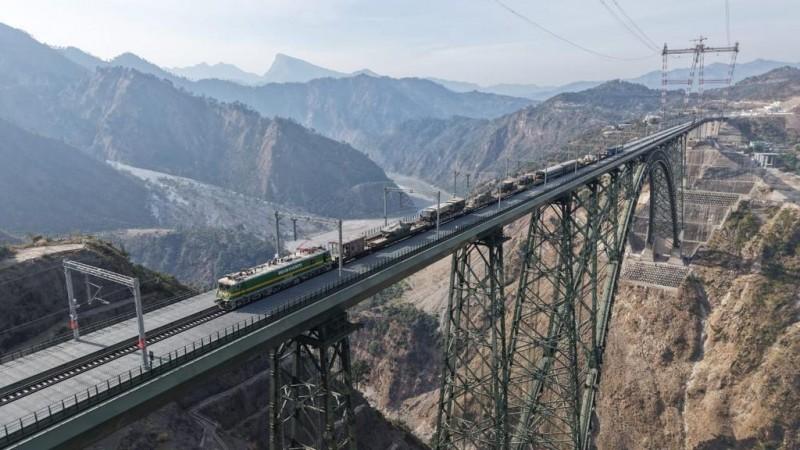
Exactly three months after successfully transporting winter stock via a special freight train, the Indian Army created history on Tuesday when a special military train carrying tanks and artillery guns safely reached the Kashmir Valley.
The special train carrying tanks and artillery guns moved from the Jammu region to Anantnag railway station in south Kashmir on Tuesday.
Confirming the achievement, the Additional Director General, Public Information (ADG PI) of the Indian Army stated on the official social media handle that the Army achieved a major logistics milestone on December 16, 2025, with the induction of tanks and artillery guns into the Kashmir Valley by a Military Special Train.
"The Indian Army achieved a major logistics milestone on 16 December 2025 with the induction of tanks and artillery guns into the Kashmir Valley by a Military Special Train. As part of the validation exercise, tanks, artillery guns, and dozers were successfully moved from the Jammu region to Anantnag, Kashmir, demonstrating enhanced mobility and logistical capability," the ADG PI of the Indian Army posted on the official social media handle.
Enhancing Capabilities Along the Borders
— PRO Defence Jammu (@prodefencejammu) December 17, 2025
The #IndianArmy achieved a major logistics milestone on 16 December 2025 with the induction of tanks and artillery guns into the Kashmir Valley by a Military Special Train. As part of the validation exercise, tanks, artillery guns and… pic.twitter.com/c83wGTMsa0
"This milestone was achieved in close coordination with @RailMinIndia, underscoring the transformative impact of the Udhampur–Srinagar–Baramulla Rail Link (USBRL) project in enabling rapid logistics build-up and strengthening operational readiness along the northern borders," the Army further stated.
Kashmir, due to its proximity to sensitive borders and difficult terrain, is often cut off from the rest of the country during harsh winters and heavy snowfall, particularly when the Jammu–Srinagar National Highway is blocked. Such blockades also usually affect supplies to the Ladakh region.
The use of a special train to transport tanks and artillery guns is expected to be a strategic game-changer, ensuring smooth, year-round movement of the Army's heavy equipment.
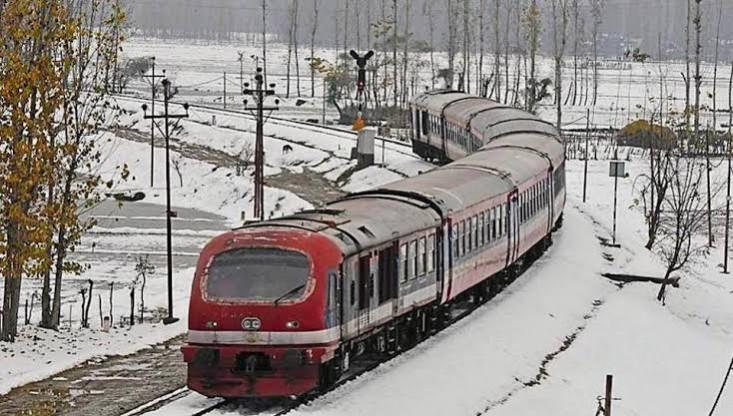
The Kashmir Valley has a significant presence of the Army, Rashtriya Rifles (RR) units, Central Armed Police Forces (CAPFs), and other security agencies engaged in counter-insurgency and counter-terrorism operations, in addition to static deployments along the Line of Control (LoC) with Pakistan.
Earlier, Army winter supplies reached Kashmir by freight train
Earlier, on September 13, winter supplies for soldiers stationed in remote and high-altitude areas of Kashmir reached the Valley for the first time via a special freight train.
The train, carrying advanced winter stockings for the Army, arrived in Anantnag on September 13.
The winter stock was later loaded onto Army vehicles and transported to units deployed along the Line of Control and other forward areas in Kashmir Valley as well as in Ladakh.
The Udhampur–Srinagar–Baramulla Rail Link (USBRL) witnessed another historic milestone with the successful run of the first exclusive Army freight train from Bari Brahmana in Jammu to Anantnag between September 12 and 13.
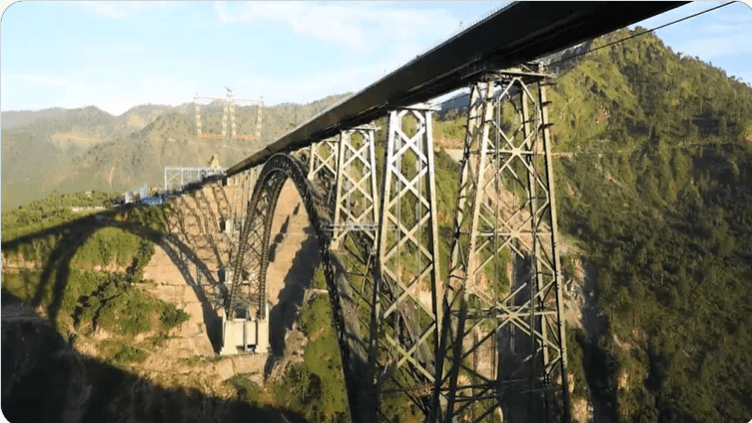
The freight train carried 753 metric tonnes of advance winter supplies for Army units and formations in Kashmir, marking a major shift in the Army's logistics and winter stocking operations.
This strategic initiative underscores the Army's sustained efforts to enhance operational preparedness in the challenging Himalayan terrain.
In a notable demonstration of dual-use logistics and military–civil fusion, the return journey of the freight train was utilised to transport Kashmiri apples to markets across the country.
According to a defence spokesperson, "This step not only strengthens the Army's winter preparedness but also directly benefits local communities. Farmers, who earlier suffered heavy losses due to road blockages caused by landslides and floods, will now be able to transport their produce smoothly, ensuring economic relief and livelihood security."



![Comedian Harsh Gujral touches Yogi Adityanath's feet, cracks crime joke at UP event [watch]](https://data1.ibtimes.co.in/en/full/840360/comedian-harsh-gujral-touches-yogi-adityanaths-feet-cracks-crime-joke-event-watch.jpg?w=220&h=138)