
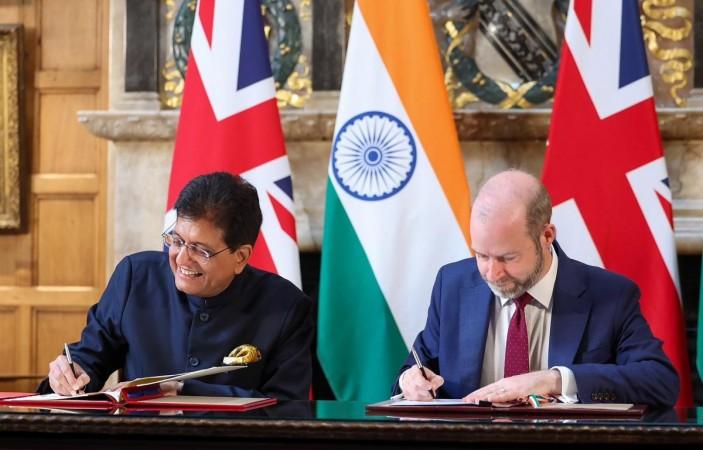
The landmark India-UK Free Trade Agreement (FTA) officially came into force on Wednesday, paving the way for lower tariffs on a wide range of goods, improved market access for businesses and stronger economic ties between the two countries.
The agreement is expected to benefit both Indian consumers and exporters. Premium British products, including Scotch whisky, luxury cars, cosmetics, chocolates and select food items, are likely to become more affordable in India as import duties are reduced in phases.
On the export front, Indian industries stand to gain significantly, with nearly 99 per cent of Indian exports set to receive duty-free access to the UK market. Key sectors expected to benefit include textiles and garments, leather and footwear, gems and jewellery, engineering goods, marine products, chemicals and processed food.
The deal is also aimed at boosting bilateral trade, attracting investments and creating new employment opportunities by making it easier for businesses in both countries to access each other's markets.

Apart from trade in goods, the agreement strengthens cooperation in services and professional mobility. Indian professionals working in the UK on temporary assignments will benefit from the Double Contribution Convention, which exempts eligible workers from paying social security contributions in both countries for a specified period.
Industry leaders have welcomed the implementation of the agreement, saying it will enhance the competitiveness of Indian exports, diversify supply chains and provide businesses with greater access to one of India's key trading partners.
However, experts have noted that companies will need to familiarise themselves with rules of origin, certification requirements and product standards to fully leverage the benefits offered under the agreement.
The India-UK FTA is expected to significantly deepen economic cooperation between the two nations, offering consumers lower prices on premium imports while providing Indian exporters with greater opportunities to expand their presence in the British market.