India's Ministry of External Affairs (MEA) on Sunday criticised the United Nations Human Rights Office over its concerns regarding the reported mass detention of demonstrators protesting against the Election Commission, calling the statement "an unacceptable interference in the internal affairs of India".
The response came a day after UN Human Rights Spokesperson Thameem Al-Kheetan urged Indian authorities to respect the right to peaceful assembly and expressed concern over reports of mass detentions during the protests.
UN urges India to respect right to peaceful assembly
On Saturday, Al-Kheetan said that any restrictions imposed on peaceful protests must meet strict tests of necessity and proportionality. The spokesperson also called on Indian authorities to ensure that law enforcement personnel exercise utmost restraint while responding to peaceful demonstrators.
The UN Human Rights Office further urged the immediate release of individuals it described as having been "arbitrarily detained".
MEA says Constitution guarantees protest rights
Responding to the statement, the MEA said that the right to peaceful assembly is guaranteed under the Indian Constitution. However, it added that citizens must exercise this right subject to the maintenance of public order and safety.
"As in every democracy, Indian citizens exercise this right subject to the maintenance of public order and safety. Our law enforcement authorities act strictly in accordance with the law, and our courts remain available to all for the redressal of any grievances," the ministry said.
The MEA described the UN Human Rights Office's statement as unwarranted, asserting that Indian authorities operate within the framework of the law.
MEA accuses UN rights office of double standards
The foreign ministry also accused the Office of the United Nations High Commissioner for Human Rights (OHCHR) of being selective in its public statements on human rights concerns.
"We also note that the OHCHR has an approach of extreme selectivity when it comes to public positions. Violent responses to protests in our neighbourhood have gone uncommented, as indeed have law enforcement actions in its own vicinity," the MEA said.
The ministry added that such "double standards" undermine the credibility of the organisation and contribute to a loss of faith in multilateralism.
#WATCH | Kolkata, West Bengal: MEA Spokesperson Randhir Jaiswal says, "We have seen certain remarks by the Office of the High Commissioner for Human Rights about yesterday’s events in New Delhi. India is the world’s largest democracy, where the right to peaceful assembly is guaranteed by our Constitution and safeguarded by robust institutions, an independent judiciary, and a free media. As in every democracy, Indian citizens exercise this right subject to the maintenance of public order and safety. Our law enforcement authorities act strictly in accordance with the law, and our courts remain available to all for the redressal of any grievances. The OHCHR’s concerns are therefore unwarranted and constitute an unacceptable interference in the internal affairs of India. We also note that the OHCHR has an approach of extreme selectivity when it comes to public positions. Violent responses to protests in our neighbourhood have gone uncommented, as indeed have law enforcement actions in its own vicinity. Such double standards only erode the credibility of its standing and contribute to the loss of faith in multilateralism"
— ANI (@ANI) October 11, 2026
Protests over Election Commission intensify
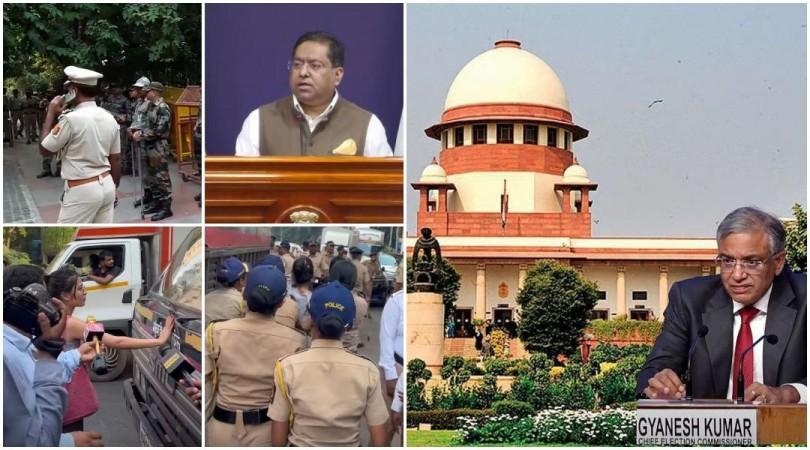
The exchange comes amid protests in several parts of the country demanding the resignation of Chief Election Commissioner Gyanesh Kumar. Demonstrators have raised concerns over the functioning of the Election Commission and alleged irregularities in the Special Intensive Revision (SIR) of electoral rolls.
Ahead of Saturday's protest in the national capital, Cockroach Janta Party leaders Abhijeet Dipke, Saurav Das and Ashutosh Ranka were detained inside an aircraft shortly after landing in Delhi.
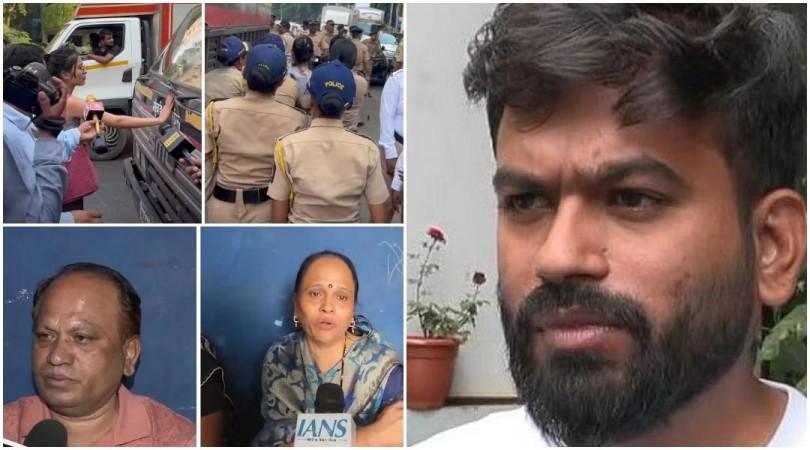
Thousands of people were detained across the national capital as authorities implemented extensive security measures ahead of the demonstration. These included the suspension of metro services, cancellation of passenger trains and suspension of mobile internet services in central Delhi.
The developments have intensified the debate over the handling of protests, the exercise of constitutional rights and the government's response to concerns raised by international human rights bodies.